Protecting vulnerable populations
Across the globe, inequalities exist, with the most vulnerable populations the most affected and least able to respond. At LSTM, we believe we have a role to play in changing that, and equity is at the heart of our mission to improve health outcomes for the most disadvantaged and vulnerable populations.

Who we focus on
Whether in early scientific discovery or policy implementation, our research focuses on women, children, rural and poorer communities, who often face systemic barriers to healthcare and are disproportionately affected by disease and disadvantage.
How we are responding
Researchers and partners are working to better understand, diagnose and treat infectious diseases which target the most vulnerable populations, including:
- Projects which seek to reduce malaria and other diseases in pregnancy in Africa
- Community-led, creative health projects in Liverpool which aim to reduce avoidable and unfair differences in health outcomes
- Research on climate, health and disease outbreaks which disproportionately affect vulnerable populations
- An emerging area of mental health research which is especially relevant for communities affected by conflict, displacement or chronic disease
Related news


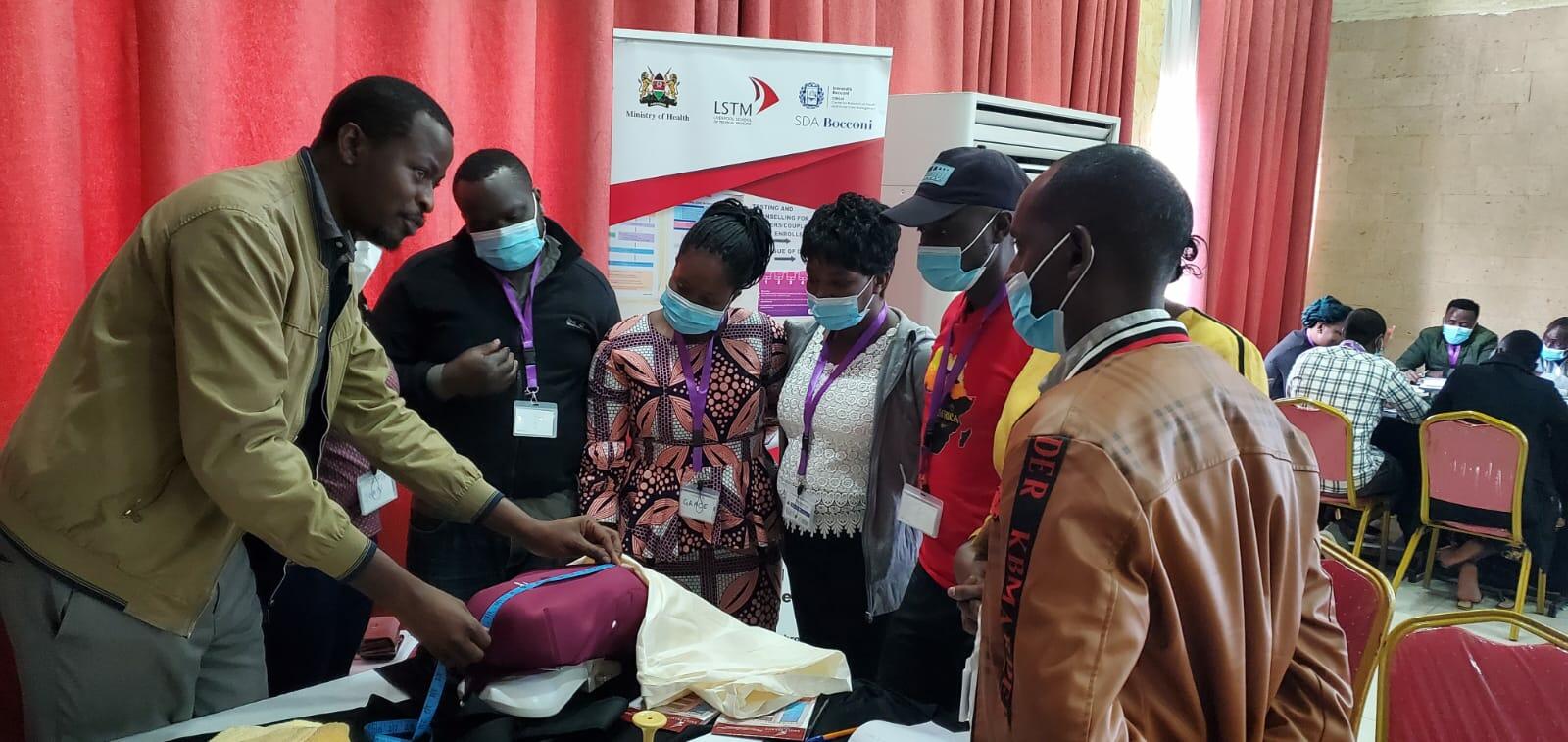

Explore related global health challenges
Climate change and environmental pressures
The climate crisis is reshaping where and how diseases emerge and spread. We combine environmental science, vector biology, digital innovation and health-systems research to turn climate data into actionable health intelligence.
Climate change and environmental pressuresTackling resistance
Antimicrobial and insecticide resistance threaten progress across global health, particularly in low- and middle-income countries. We tackle resistance from molecules to markets, bridging the gap between discovery and implementation.
Tackling resistanceManaging and preparing for disease outbreaks
In an increasingly connected world, disease outbreaks can move quickly, cross borders invisibly and hit vulnerable communities hardest. We link discovery, diagnostics, modelling, trials and implementation to support rapid, evidence-based responses.
Managing and preparing for disease outbreaks