Research and Innovation
Our global cross-disciplinary approach unites laboratory breakthroughs, clinical trials, policy engagement, implementation and systems strengthening in one continuous process.
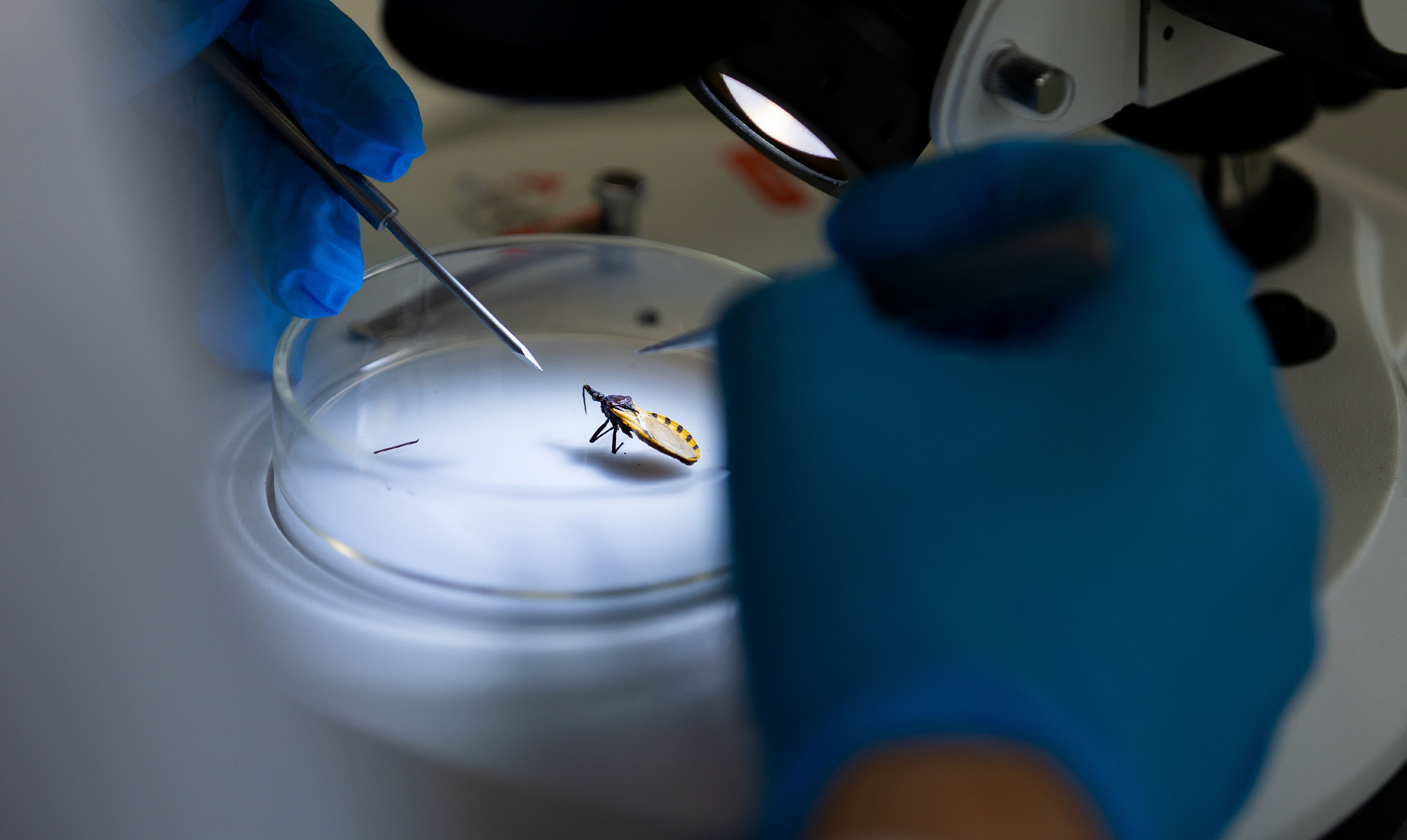
Research with impact
LSTM is a global leader in infection, tropical medicine and global health research. We lead translational research across the full pathway, from early discovery and laboratory science through to clinical trials, public health implementation and global policy change.
Our cross-disciplinary approach ensures scientific breakthroughs are translated into real-world impact, improving health outcomes where they’re needed most.
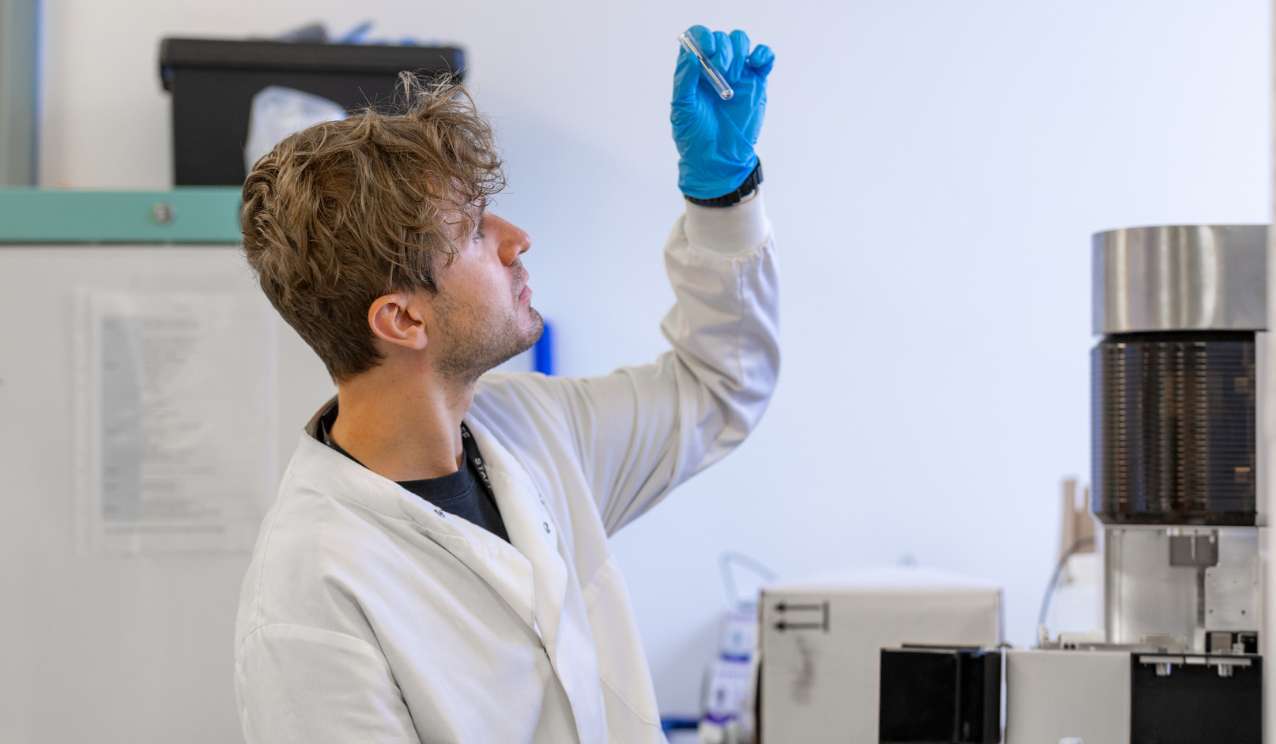
Find out more about the research themes that guide our work.
- Malaria and Neglected Tropical Diseases
- Community Health and Resilient Health Systems
- Emerging and Re-emerging Diseases
- Equity and Capacity Research
- Innovation to Impact: Therapeutics, Diagnostics, Vaccines
- Maternal, Neonatal, Sexual and Reproductive Health
- Tuberculosis and Antimicrobial Resistance
- Vector Control and Resistance Management
- Climate Health
LSTM Research Portal
Discover more about how LSTM’s research is improving health outcomes in disadvantaged populations globally, through partnership in research and education.
Whether you’re interested in a specific researcher, project, or health issue, the portal provides easy access to detailed information, allowing you to delve deeper into the world of tropical medicine and its vital contributions to global health.
Visit the LSTM Research Portal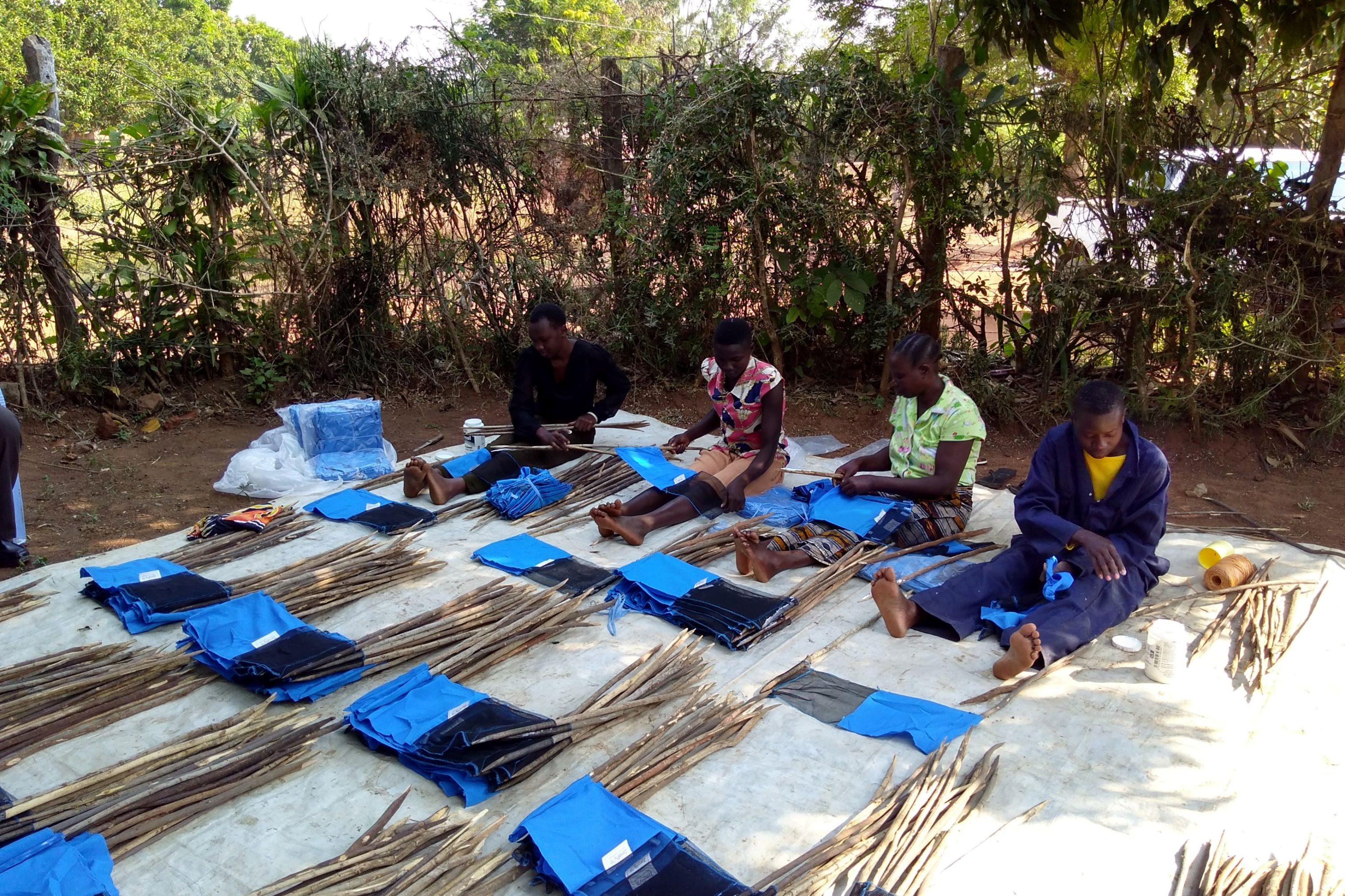

Centres of Excellence
Our Centres, Institutes and Units bring together leading experts across disciplines to tackle complex global health challenges. These specialist groups drive collaborative, impact-focused research, advancing discovery, shaping policy and strengthening health systems in partnership with communities worldwide.
Discover our Centres, Institutes and Units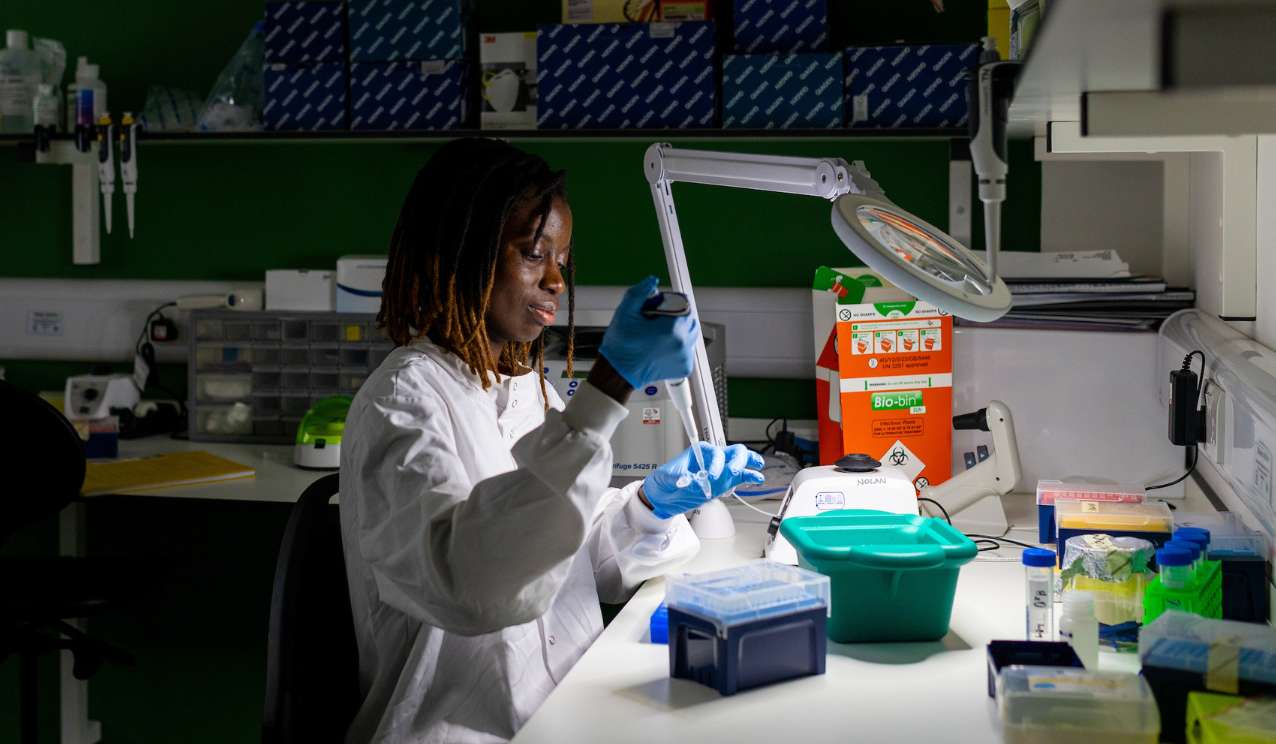
Highlighted projects
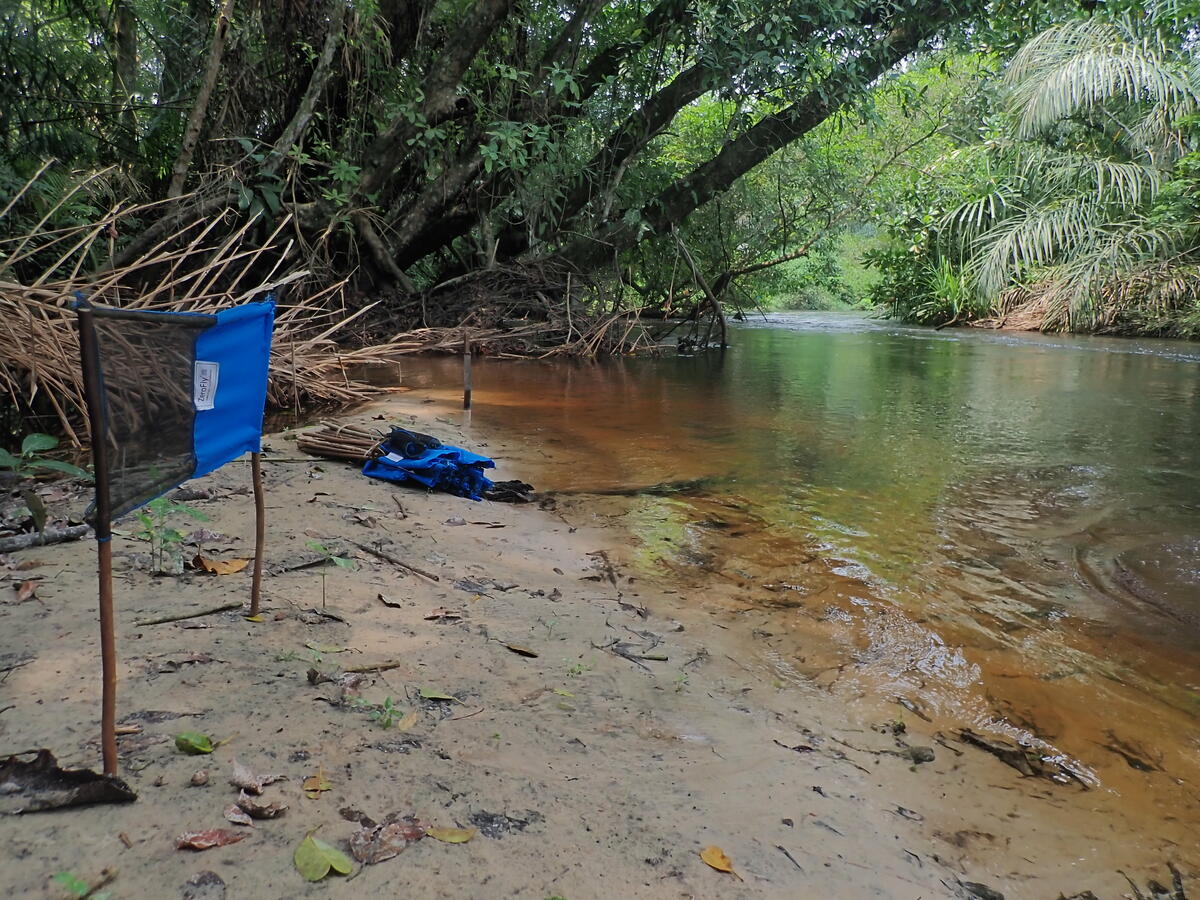
Tiny Targets
Tiny Targets is an innovative vector control initiative led by LSTM and partners to reduce the spread of sleeping sickness. The aim was to reduce tsetse fly densities below the threshold that allows transmission of the disease.
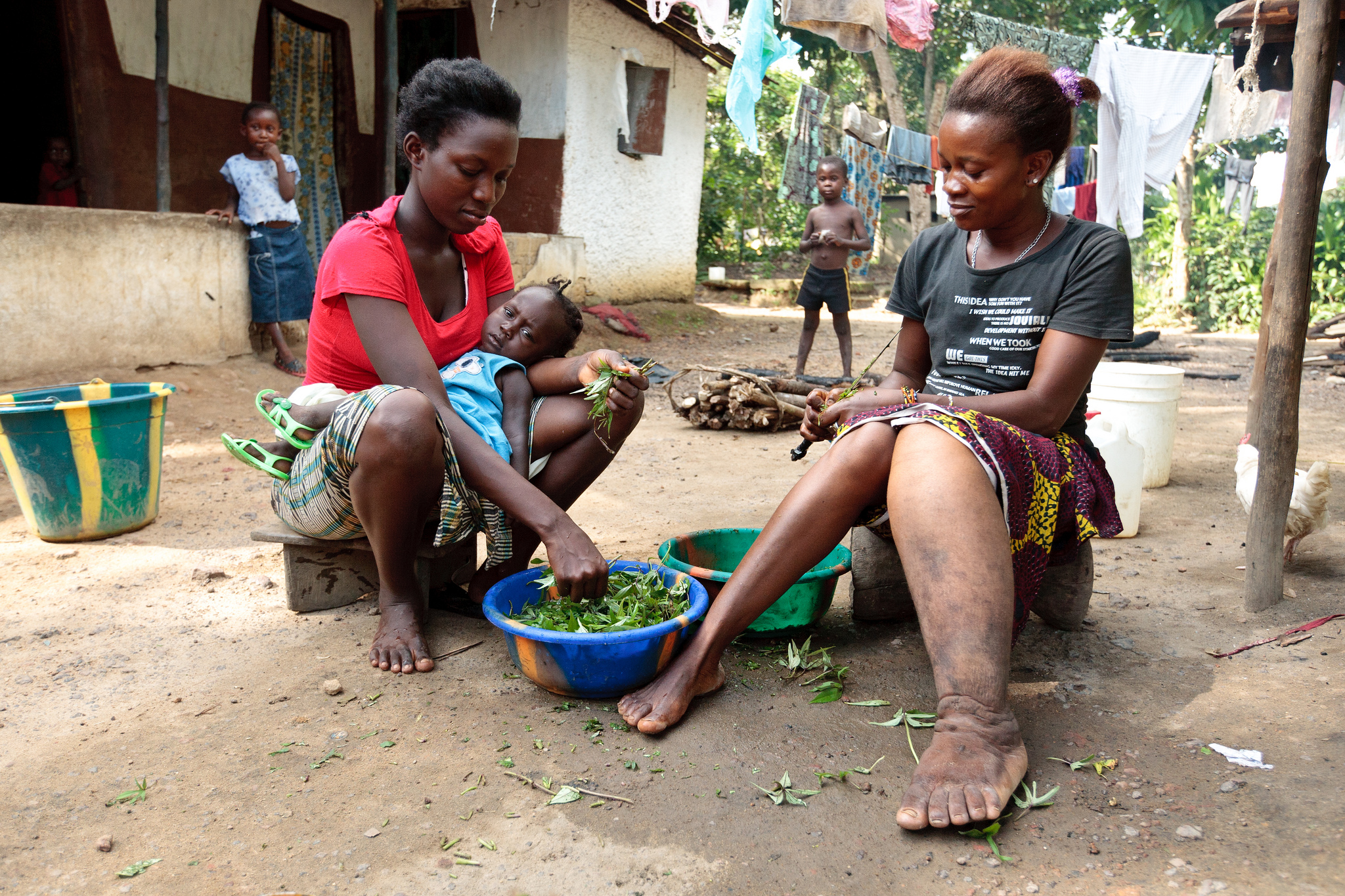
Anti-Wolbachia Consortium (A·WOL)
The Anti-Wolbachia Consortium (A·WOL), led by LSTM, is pioneering a novel approach to treating filarial diseases by targeting Wolbachia, an essential bacterial symbiont within the worms that cause onchocerciasis and mosquitoes that cause lymphatic filariasis.
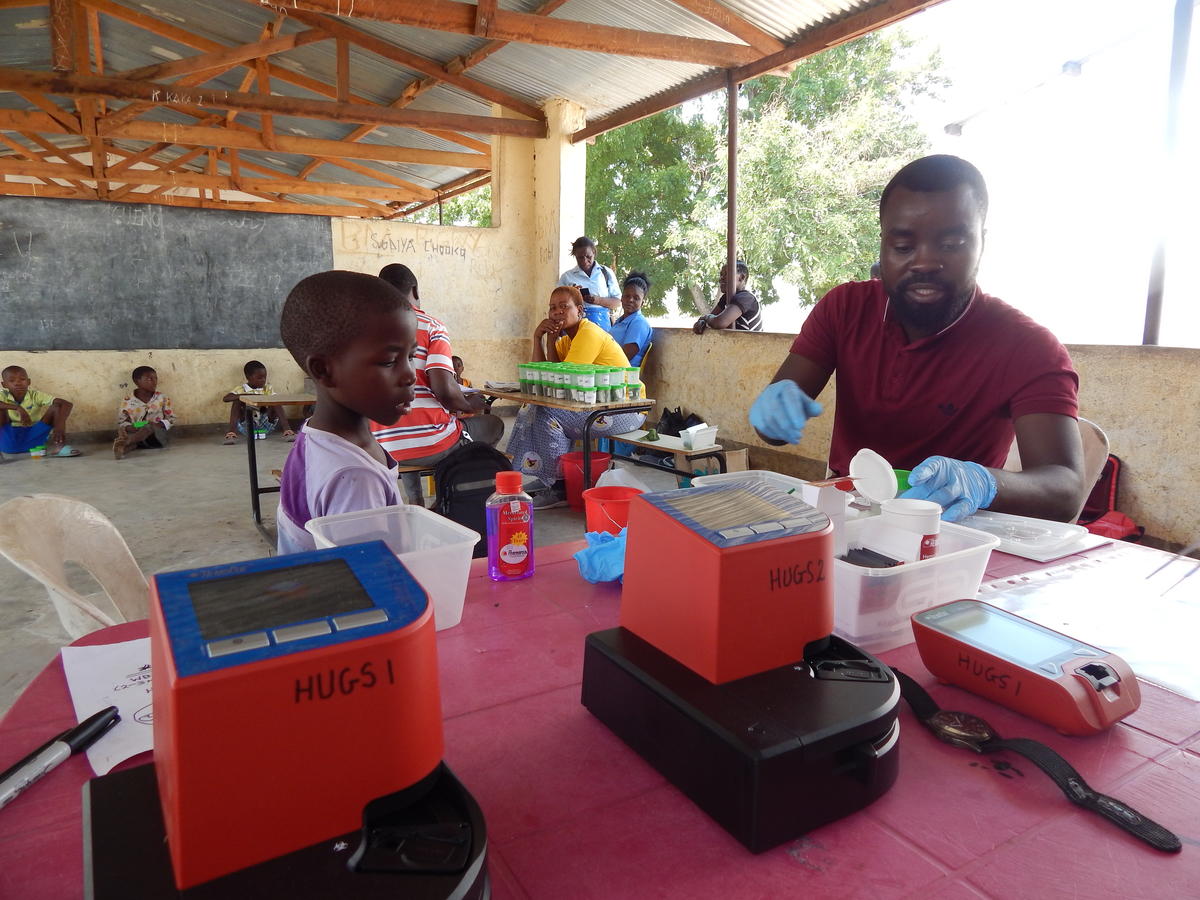
Hybridisation in UroGenital Schistosomiasis (HUGS)
The Hybridisation in UroGenital Schistosomiasis (HUGS) project is an international research collaboration focused on understanding the impact of parasite hybridisation on disease control.
Research culture
The world’s biggest health challenges need the world’s most diverse minds working together. At LSTM, we believe that inclusive, supportive, and collaborative research communities are key to delivering world-leading research and breakthroughs that transform global health.
Research culture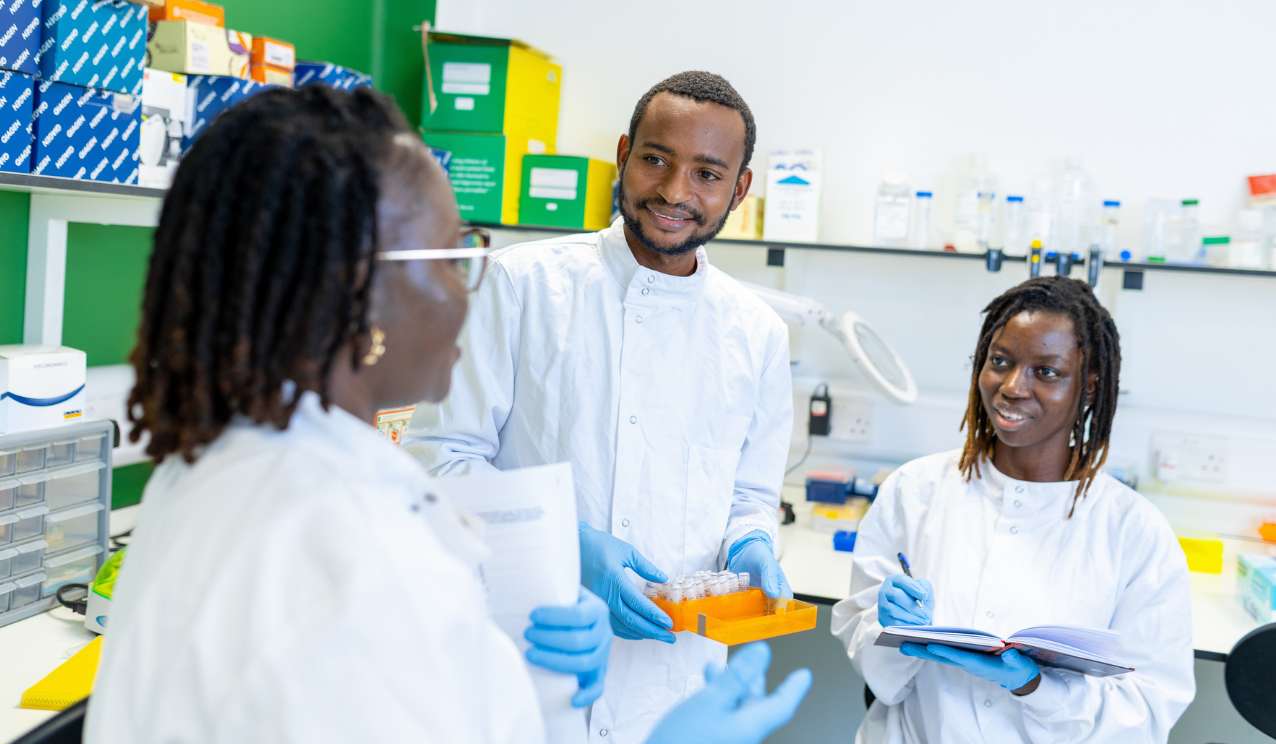
Search for LSTM academics
Find a researcherDiscover our research through video
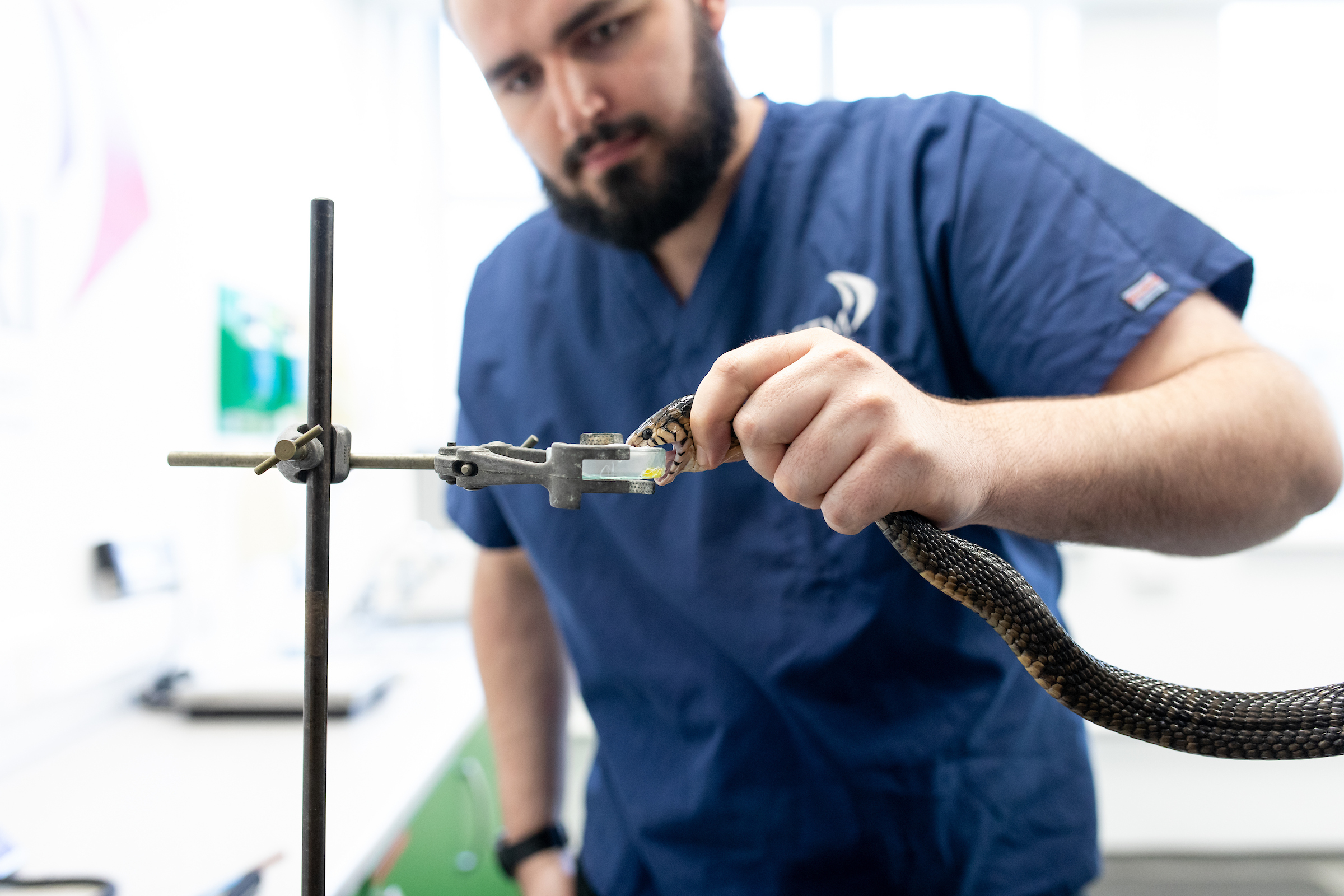
Introduction to the Centre for Snakebite Research and Interventions (CSRI)
13 January 2025
2:01
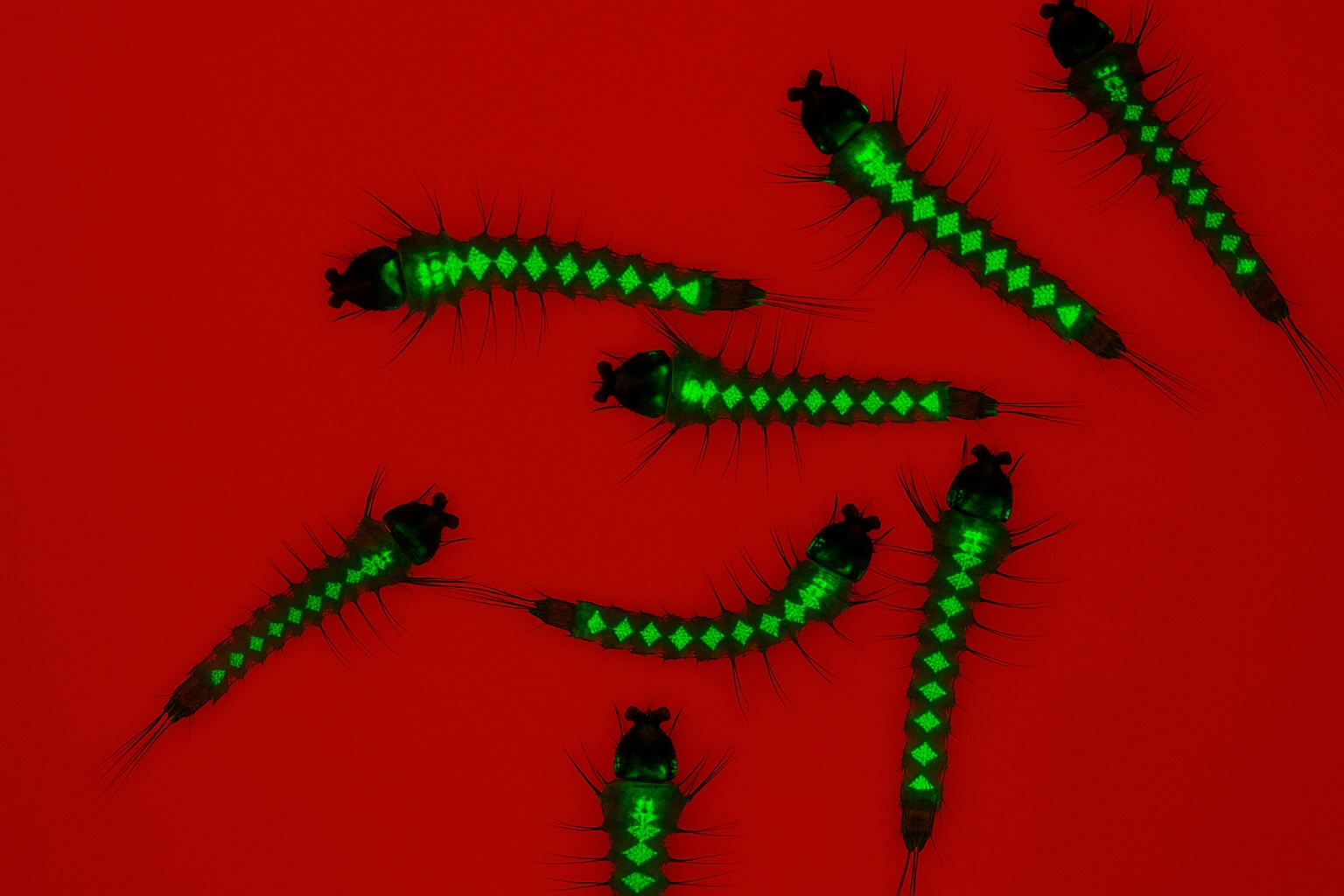
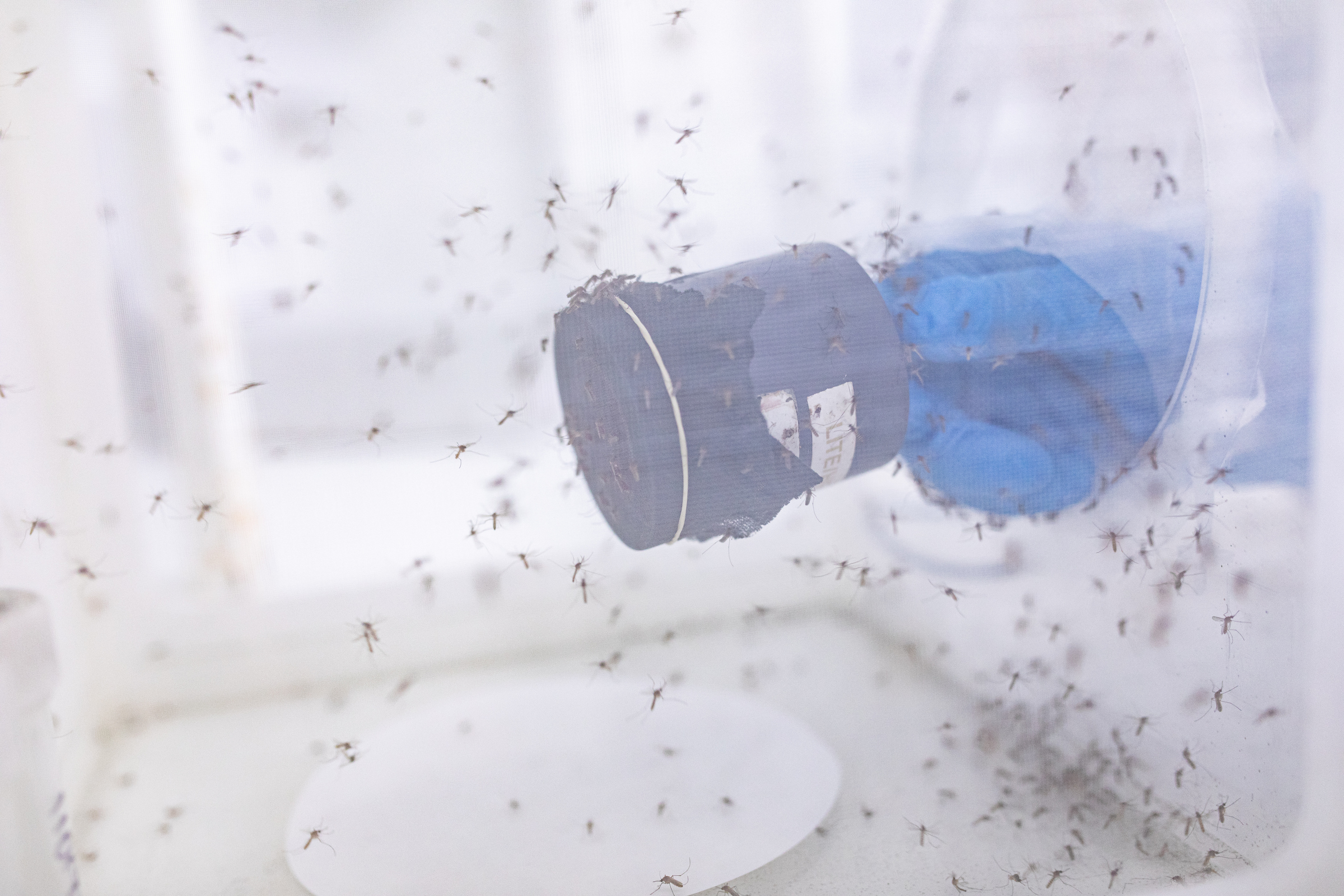
Inside LITE’s Insectary: Rearing Mosquitoes for Insecticide Testing
12 September 2025
1:51