MSc Infectious Diseases and Global Health
Infectious diseases continue to place a heavy burden on global health, particularly in low- and middle-income countries. From pandemics like COVID-19 to endemic challenges such as HIV, TB and dengue, the world faces urgent health challenges that demand innovative, inclusive solutions.
Apply now
- Course type
- Master’s course
- Director of studies
- Dr Uzochukwu Egere and Dr Sylviane Defres
- Location
- Liverpool, UK and online
- Start date
- September 2026
- Mode of study
- Blended
- Duration
- 2-5 years, part-time
- Home fee
- xx
- International fee
- xx
- LMIC fee
- xx
Overview
MSc Infectious Diseases and Global Health offers the best of both worlds. Featuring blended delivery, you’ll spend one semester learning face-to-face on campus in Liverpool, and benefit from the flexibility of online learning for the remainder of your course.
Studying the fundamentals of clinical medicine, you’ll gain professional skills in tropical medicine, disease control and public health, while exploring applications in different local contexts and low-resource settings. This course will equip you to apply education principles to day-to-day practice and empower you to lead wider healthcare teams across a range of clinical environments.
Who is this course for?
Doctors, nurses and allied health professionals, public health specialists and clinical educators.
Professionals who want to balance study with a busy working life, and want to benefit from blended learning in-person and online.
Health workers in resource-limited settings and those who want to become leaders in addressing global health inequalities.
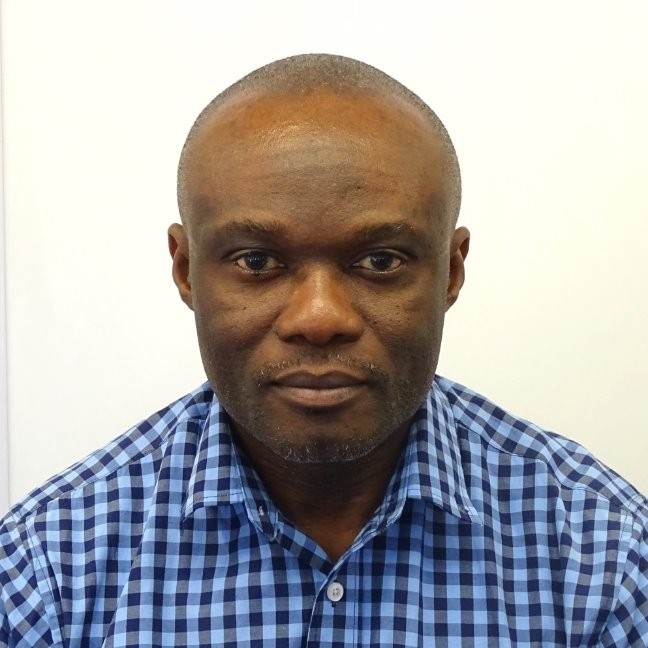
“Whether you want to work on the ground with NGOs, shape policy at international level or improve services for displaced populations, this course will equip you with the tools to lead change.”
Dr Uzochukwu Egere, Director of Studies
Why study Infectious Diseases and Global Health at LSTM?
Combine clinical application with research, education and leadership skills.
Understand the impact of infectious diseases in a global health context.
Choose modules that reflect your professional interests and goals.
Undertake a research project at home or abroad.
Choose a postgraduate certificate, diploma or full MSc.
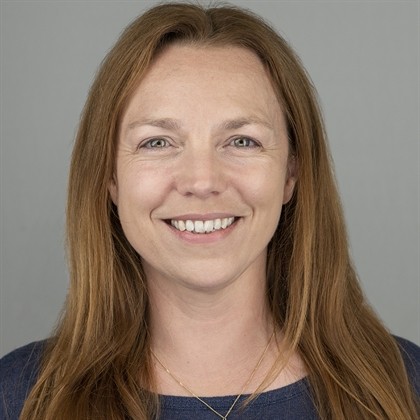
“Infectious disease is a global threat. COVID-19 showed us just how quickly a virus spread across the world, creating chaos for health systems and devastation for families. We need effective responses ready to be deployed across different contexts, so we can support communities already disadvantaged by health inequality.”
Dr Sylviane Defres, Director of Studies
What will I learn?
You’ll study core and optional modules, followed by a self-directed research project.
Compulsory modules
- Essentials of Clinical Medicine (20 credits)
- Further Tropical Medicine, Public Health & Evidence-Based Medicine (20 credits)
Compulsory modules
- Leadership and Education Principles for a Clinical Service (20 credits)
Modules are taught during set semesters but can be taken in any order during years 2–5.
Compulsory research methods module (choose 1)
Semester 1
- Quantitative Methods (20 credits) OR
- Qualitative Methods (20 credits)
Optional modules (choose 2)
Semester 2
- Radiology for Low Resource Settings (20 credits)
- Global Health within Local Contexts (20 credits)
- The Pharmaceutical Supply Cycle (20 credits)
Semester 3
- Developing a Disease Control Programme (20 credits)
- Climate Change and Health (20 credits)
- Health Promotion & Health Protection (20 credits)
- Research or Quality Improvement Project (60 credits)
This blended, part-time course is delivered partly in-person and partly online. You’ll spend the first semester learning face-to-face on campus in Liverpool and then move to online learning for the remainder of the course.
Online content is available on-demand, so you can access materials and complete assessments to fit with your own schedule.
Each 20-credit module involves around 200 hours of study.
During the second half of your course, you will complete an individual research project relevant to your professional interests. This could be applied research, a systematic review or a clinical placement with a critical reflective dissertation or case report.
By the end of this course, you’ll be able to:
- Diagnose, control and manage tropical, infectious, and non-communicable diseases in diverse settings.
- Evaluate how health systems and services respond to health issues, and apply research and improvement methods to raise standards of care.
- Take a leadership role in the management of patients, teams, services and projects.
- Apply educational principles to clinical work and design training programmes.
- Tackle global health impacts of climate change and contribute towards health systems strengthening in low resource settings.
Graduates go on to work in:
- Clinical leadership roles in global health or humanitarian settings.
- Research and policy roles in academic or public health institutions.
- Infectious disease and tropical medicine programmes worldwide.
You could lead hospital services, contribute to disease control efforts or work with NGOs, research centres or international agencies.
Entry requirements



Fees and funding
Home fee
xx
International fee
xx
Global Health Impact Scholarship fee
xx

Financial support for UK students
We have scholarships, bursaries, discounts and loans available, established through generous donations from alumni, staff and friends and funding from within Liverpool School of Tropical Medicine.
Financial support for international students
We offer various scholarships for international students, particularly those from low- and middle-income countries. These include full or partial funding through programs like the LSTM Global Health Impact Scholarship and the LSTM Humanitarian Scholarship
External funding
Scholarships, fellowships and grants are available from a range of funders and organisations. Any scholarship, studentship, fellowship or grant can be used as an alternative to, or part-funding of, an LSTM scholarship.
How to apply
You can apply for a course at any time throughout the year using our online application portal, MyLSTM. You will need to register for an account the first time or if you’ve already created an account you can pick up where you left off by logging in directly to MyLSTM.
By registering for a MyLSTM account, you will be able to:
- Apply for courses at LSTM.
- Upload supporting documentation.
- Save your draft application.
- Accept an offer to study.
- Keep your account information up-to-date.
If you can’t access our online application form, please get in touch. Paper application forms are available on request.
Categories section – full title
Get study updates
Sign up for the latest on scholarships, application deadlines, events and new course launches. We’ll keep it relevant, and you can unsubscribe at any time.