Urban SHADE: Building climate-resilient health services for urban marginalised communities
2024 – present
The challenge
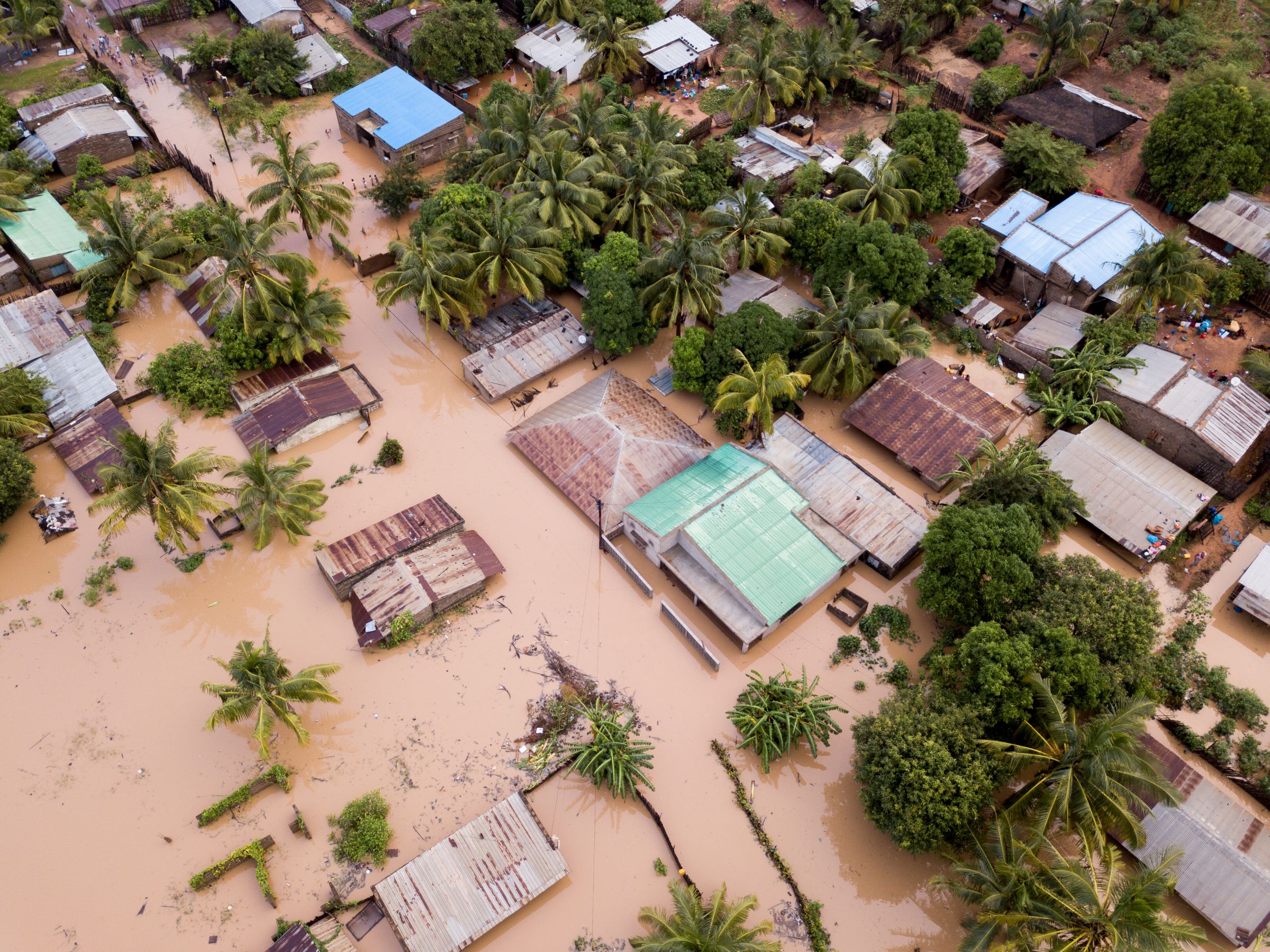
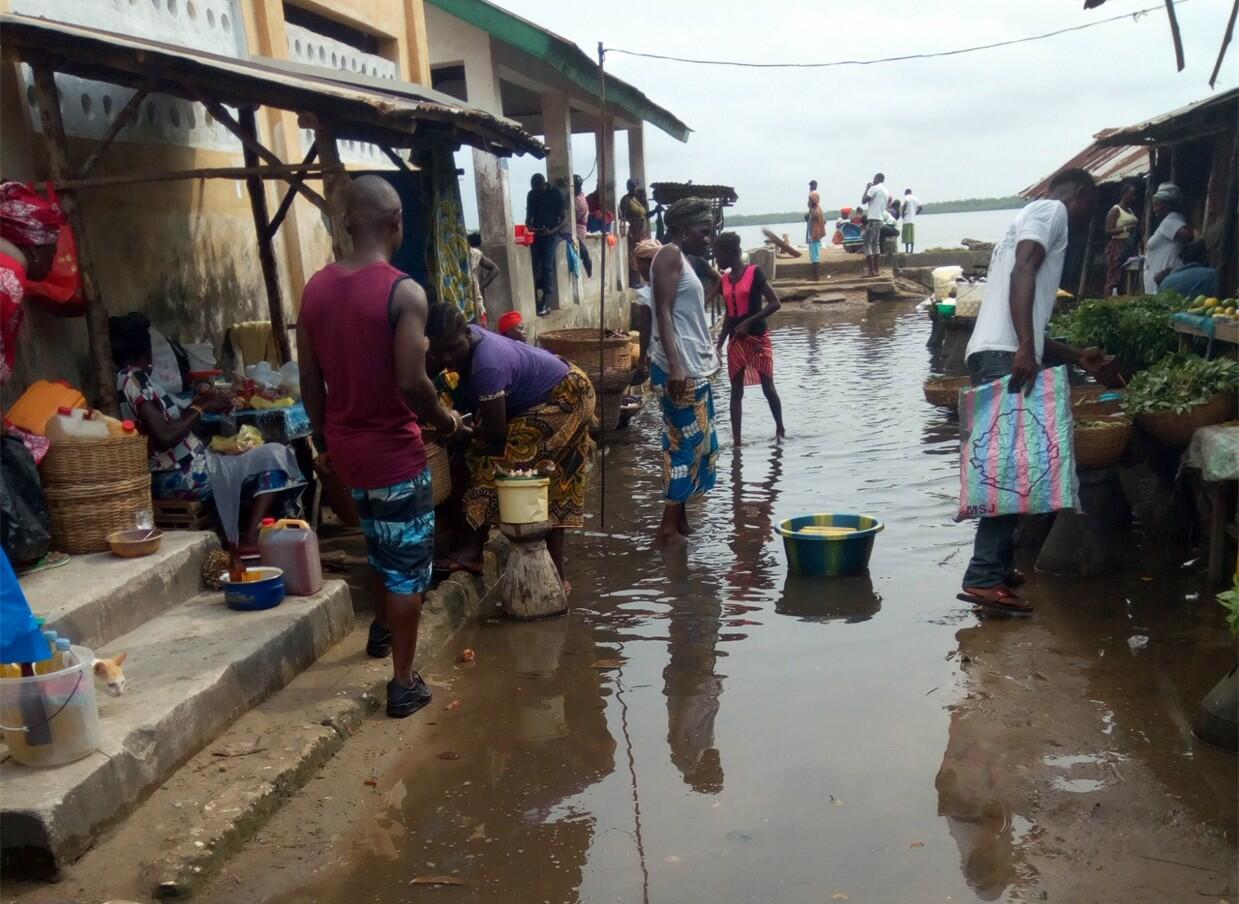
Urban informal settlements are increasingly vulnerable to the impacts of climate change, including extreme weather events like floods, heatwaves, and cyclones. These events disproportionately affect marginalised populations, exacerbating existing health disparities. Health systems in these areas often lack the preparedness and capacity to respond effectively, leading to inadequate service delivery during and after such events.
About the project
Urban SHADE (Strengthening Health Access and Delivery for Extreme Weather) is a three-year research initiative funded by the UK’s National Institute for Health and Care Research (NIHR) and led by LSTM. The project aims to enhance the responsiveness of health services to extreme weather events in 10 urban informal settlements across seven cities in India, Kenya, and Sierra Leone.
Collaborating with local and national partners, Urban SHADE focuses on co-producing and implementing context-sensitive interventions to improve health service preparedness and delivery for urban marginalised populations.
Our strategies and approaches
Participatory vulnerability and capacity assessment
Engaging communities through methods like social mapping, transect walks, GIS mapping, focus group discussions, and key informant interviews to identify vulnerabilities and capacities related to extreme weather events.
Health system preparedness evaluation
Assessing existing health system frameworks, policies, and tools to determine their effectiveness in responding to extreme weather events and identifying areas for improvement.
Co-production and implementation of interventions
Collaboratively developing and implementing interventions with community members, health workers, and governance actors to strengthen health service delivery during and after extreme weather events.
Capacity building and strengthening partnerships
Enhancing the capacities of researchers, community groups, health systems, and governance actors to work together equitably and effectively in improving health service responsiveness.
Key findings and impact
Improved community engagement
Active participation of community members in identifying vulnerabilities and co-developing interventions has led to increased ownership and sustainability of health initiatives.
Enhanced health system responsiveness
Assessments have highlighted gaps in health system preparedness, leading to targeted interventions the improve service delivery during extreme weather events.
Strengthened multi-sectoral collaboration
The project has fostered stronger partnerships between health systems, community groups, and governance actors, facilitating more coordinated and effective responses to climate-related health challenges.