MRes Tropical Health and Infectious Disease Research
Infectious diseases and poor health outcomes affect millions of people in tropical regions. With climate change and rising inequality driving further disruption, there’s a growing need for new approaches.
Apply now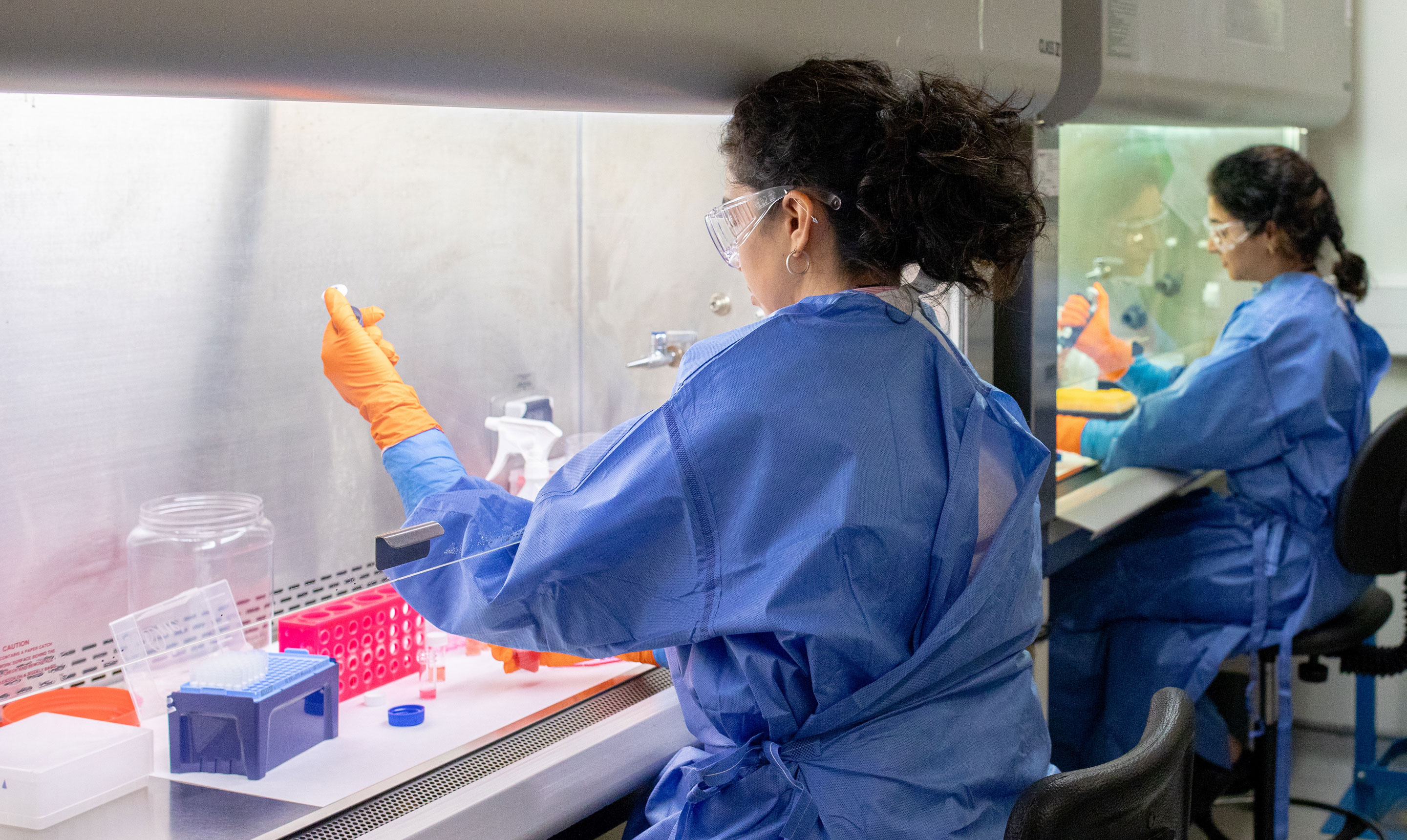
- Course type
- Master’s course
- Director of Studies
- Dr Thomas Edwards
- Location
- Liverpool, UK
- Start date
- 14 September 2026
- Mode of study
- Full time, on campus
- Duration
- One year
- Home fee
- £13,325
- International fee
- £26,099
Overview
This MRes Tropical Health and Infectious Disease Research focuses on applied research in tropical health and infectious diseases.
You’ll gain practical training in research design, ethics and data analysis, and work alongside an active research group to deliver your own project.
Whether you’re aiming for a PhD or want to deepen your expertise, this course will prepare you to design, conduct and communicate research that makes a difference.
Who is this course for?
Individuals who want to balance taught modules with active research.
Professionals looking to build a career in tropical health and infectious disease research, in the lab or in the field.
Those interested in immersing themselves in a subject they love, while learning key research skills.

“This course will prepare you for a rewarding research career, helping to find innovative and effective ways to address some of the world’s greatest health challenges.”
Dr Thomas Edwards, Director of Studies
Why study Tropical Health and Infectious Disease Research at LSTM?
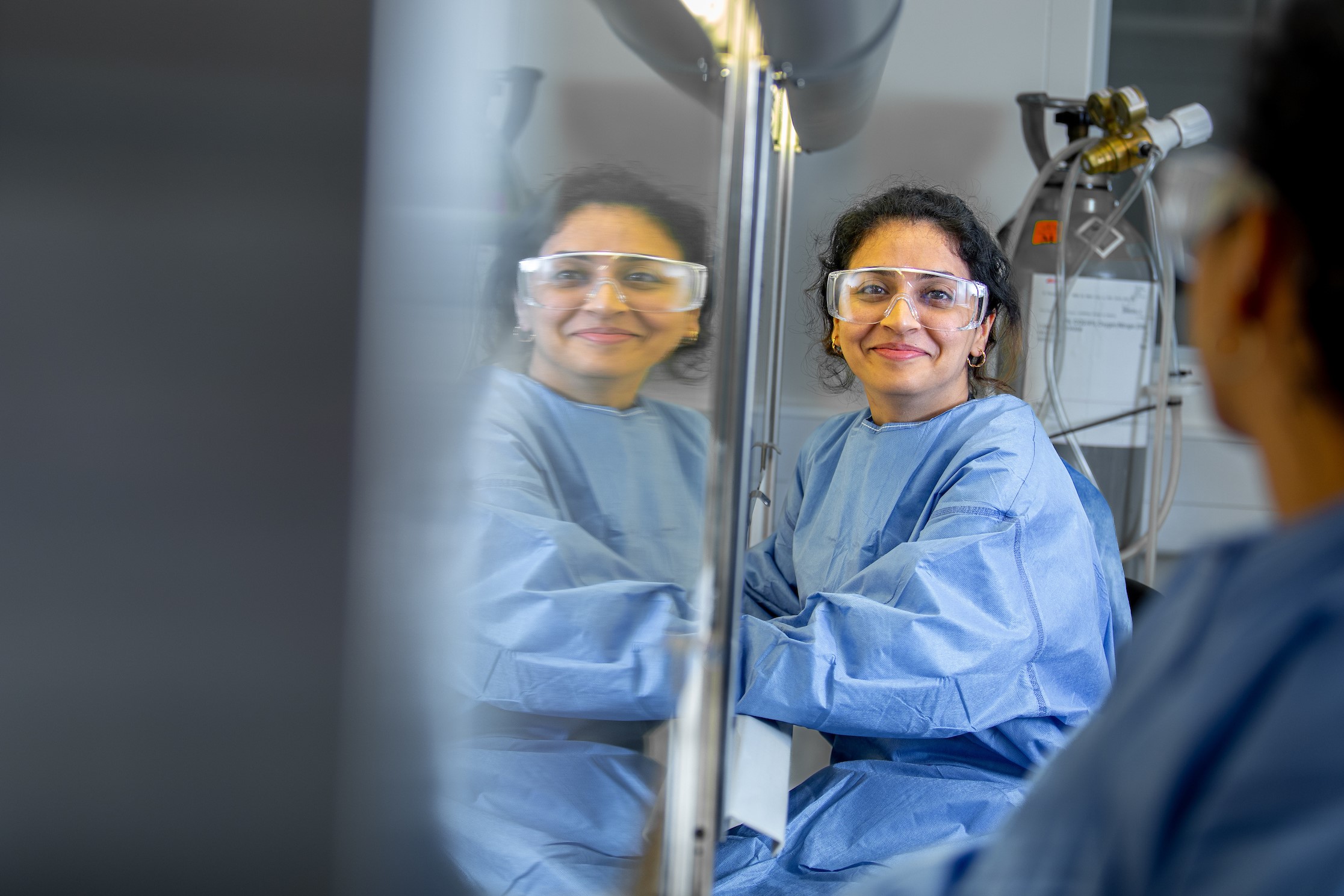
Work with experts in the field and get experience in active scientific research.
Collaborate with specialist research groups during your personal research project.
Benefit from opportunities to publish in peer-reviewed journals, and conduct field research abroad.
Enhance your research skills with focused taught modules.
“Whether you’re aiming for a PhD or just want to deepen your expertise, this course will prepare you to design, conduct and communicate research that makes a difference.”
What will I learn?
The first semester of the MRes is made up of three taught 20-credit units, and the second and third semesters are dedicated to your 120-credit research project.
Compulsory module:
- Research Methods in Public Health.
Choose one from:
- The Practice of Humanitarian Relief.
- Outbreak Control and Health Protection.
- Organisation and Management of Health Services.
- Vector Population Biology and Control.
- Molecular and Cellular Biology of Pathogens and Vectors.
- Advanced Clinical Management in HIV Endemic Settings.
- Key Topics in Snakebite.
Choose one from:
- Climate Change.
- Applied Statistics for Health Research.
- Immunology of Tropical Diseases.
- Maternal, Newborn and Adolescent Health.
- Developing a Disease Control Programme.
Your 120-credit research project is on a subject of your choice.
Examples of research projects include:
- Pre-clinical development of novel snake venom inhibitors.
- Genomic analysis of multi-drug resistant bacteria in Liverpool hospitals.
- Genetic engineering of mosquitoes for vector control.
- Establishing links between social capital and TB in rural Peru.
- Developing and evaluating rapid diagnostics for zoonotic infections in Kenya.
Each 20-credit module involves around 200 hours of learning, including taught sessions, assessment and self-directed study. Taught sessions are complemented by enquiry-based study and supported by online content on a personalised virtual learning environment (VLE).
Your 120-credit research project can be lab-based, data-based, literature-based, or fieldwork-based. You can choose to undertake it at LSTM, elsewhere in the UK, or abroad.
By the end of this course, you’ll be able to:
- Evaluate current issues and priorities around tropical health and infectious diseases.
- Analyse approaches to developing policy and improving practice.
- Understand non-communicable diseases in a variety of regional and resource settings.
- Apply your knowledge in different contexts to reach evidence-based conclusions.
- Perform research using ethically appropriate techniques, methods and data collection.
- Effectively report and communicate research questions, strategies and findings.
You’ll be well prepared for a PhD or a career in tropical health and infectious disease research – in a lab, or in the field in low-resource settings.
Your training in research methodology and analysis will open up exciting opportunities to work for universities, NGOs, the military, health ministries or public health employers in the UK and throughout the world.
Entry requirements



Fees and funding
Home fee
£13,325
International fee
£26,099

Financial support for UK students
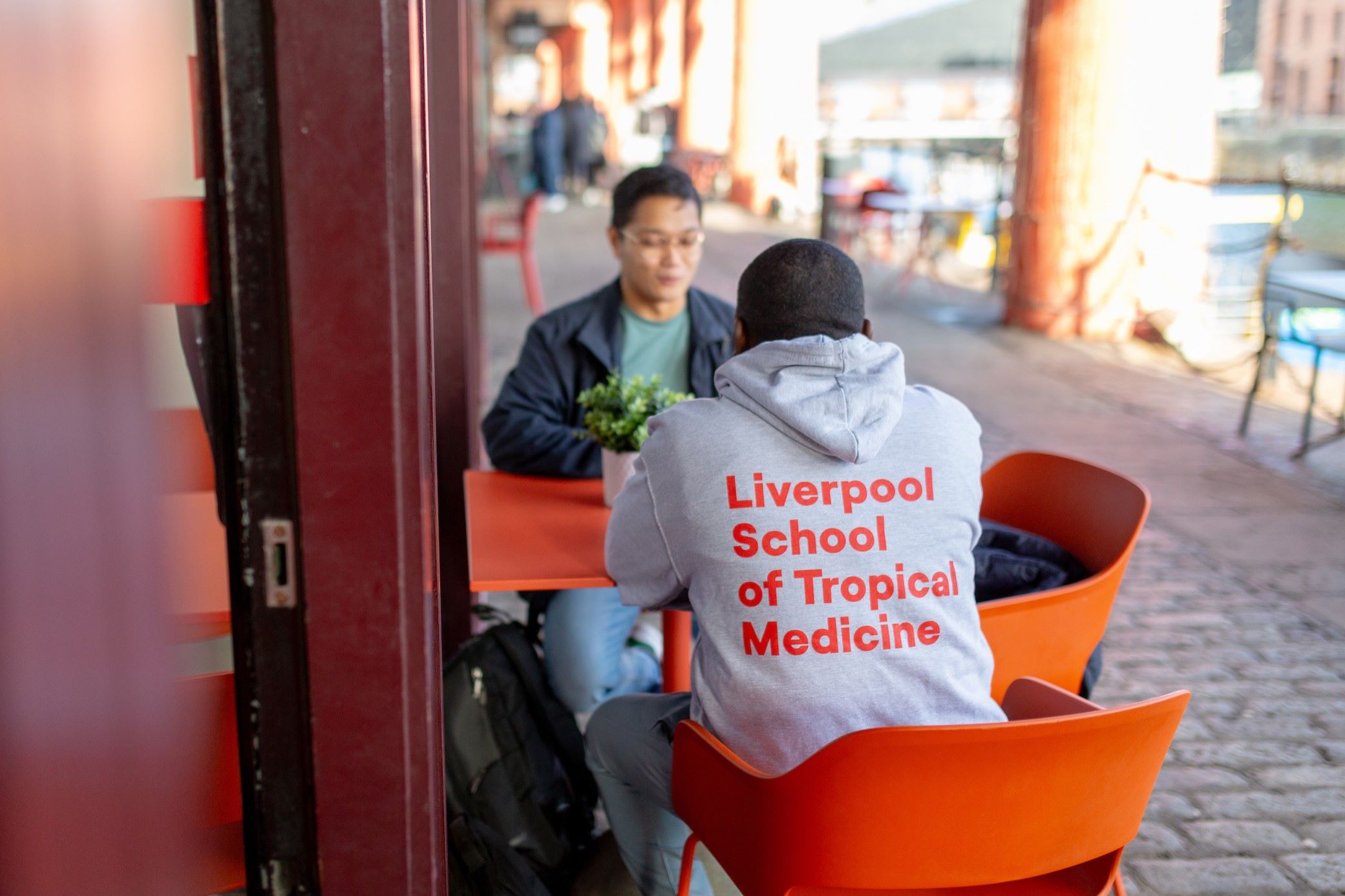
We have scholarships, bursaries, discounts and loans available, established through generous donations from alumni, staff and friends and funding from within Liverpool School of Tropical Medicine.
Financial support for international students
We offer various scholarships for international students, particularly those from low- and middle-income countries. These include full or partial funding through programs like the LSTM Global Health Impact Scholarship and the LSTM Humanitarian Scholarship
External funding
Scholarships, fellowships and grants are available from a range of funders and organisations. Any scholarship, studentship, fellowship or grant can be used as an alternative to, or part-funding of, an LSTM scholarship.
How to apply
You can apply for a course at any time throughout the year using our online application portal, MyLSTM. You will need to register for an account the first time or if you’ve already created an account you can pick up where you left off by logging in directly to MyLSTM.
By registering for a MyLSTM account, you will be able to:
- Apply for courses at LSTM.
- Upload supporting documentation.
- Save your draft application.
- Accept an offer to study.
- Keep your account information up-to-date.
If you can’t access our online application form, please get in touch. Paper application forms are available on request.
Categories section – full title
Get study updates
Sign up for the latest on scholarships, application deadlines, events and new course launches. We’ll keep it relevant, and you can unsubscribe at any time.