TOCSINS drug trials
TOCSINS drug trials
2020 – present
The challenge
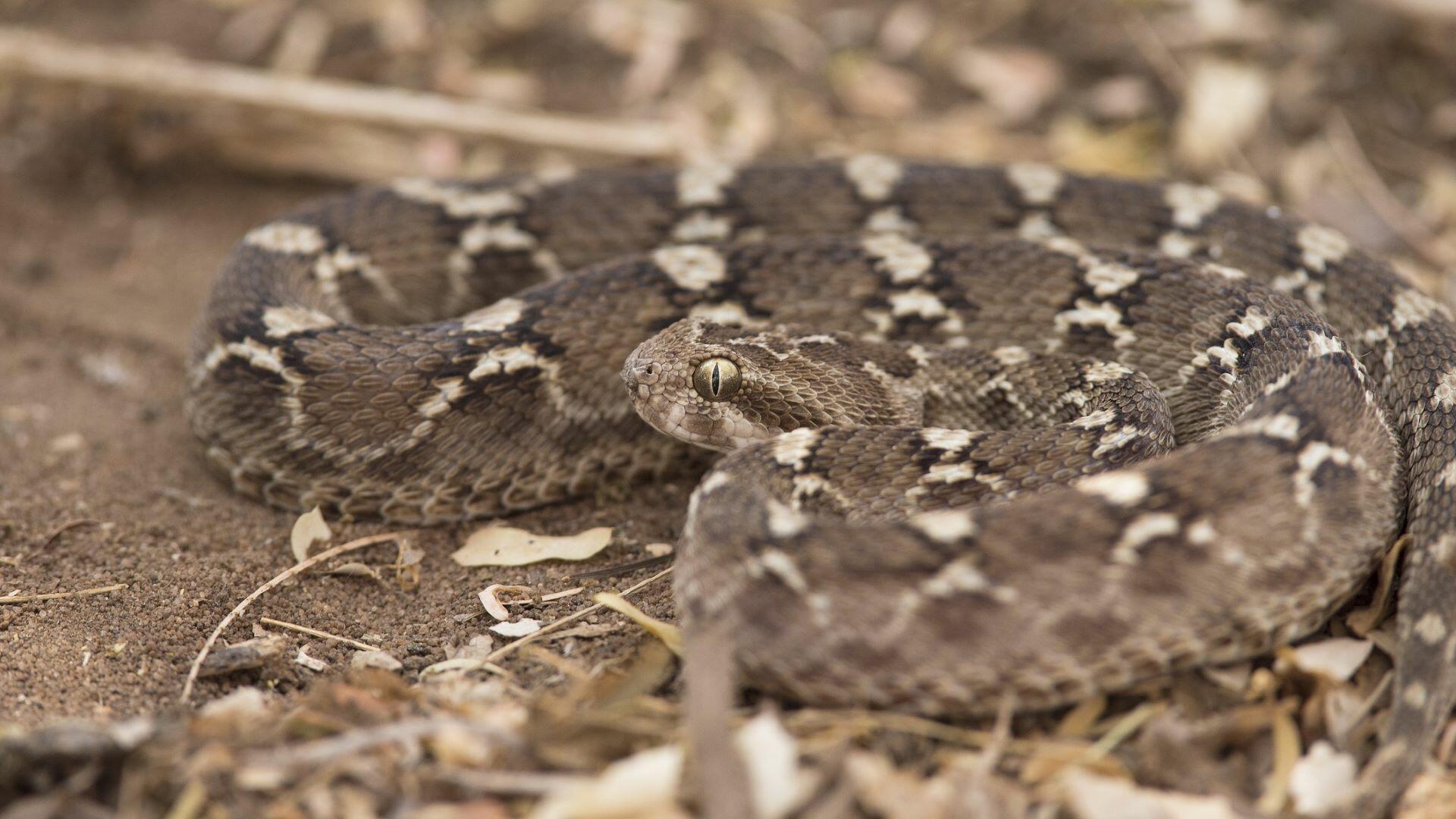
Snakebite envenoming causes an estimated 140,000 deaths each year and leaves over 400,000 survivors with permanent disabilities. The burden is highest in rural, low-income communities in sub-Saharan Africa, South and Southeast Asia, and South and Central America, where they are far from timely care or effective treatment.
Treatments are often expensive, and health systems lack the resources, data, and infrastructure needed to respond effectively. Preventable deaths persist, and progress is held back by scientific, logistical, and systemic barriers.
About the project
TOCSINS (Trial of Oral Combination Therapies for Snakebite Envenoming) is a groundbreaking clinical trial led by the Centre for Snakebite Research and Interventions (CSRI) at LSTM. The project aims to develop and test oral medications that can be easily administered in the field, providing immediate, accessible treatment for snakebite victims. By repurposing existing drugs that inhibit snake venom toxins, TOCSINS seeks to offer a practical solution to a pressing global health issue.
Our strategies and approaches
Repurposing existing drugs
Developing new drugs from scratch can take years and significant investment. TOCSINS focuses on repurposing unithiol, traditionally used to treat heavy metal poisoning. Unithiol has shown promise in neutralising certain snake venom toxins, particularly those responsible for causing bleeding and tissue damage. Find out more about the clinical trial.
Field-ready solutions
The trial focuses on evaluating oral medications, which are easier to store, transport, and administer compared to intravenous antivenoms. This approach is especially beneficial in rural settings, where healthcare infrastructure may be limited. Oral treatments can be administered by community health workers or even bystanders immediately after a snakebite, buying crucial time before the victim can reach a health facility that stocks antivenom.
Collaborative clinical trials
This clinical trial will be conducted in partnership with institutions in snakebite-endemic regions, including Kwame Nkrumah University of Science and Technology in Ghana and Fundação de Medicina Tropical in Brazil. These collaborations ensure that the treatment is tested in relevant settings and populations.
Key findings and impact
Safety and tolerability
Phase I clinical trials have demonstrated that unithiol is safe and well-tolerated among healthy volunteers. This finding is a critical first step toward making the drug available for snakebite treatment.
Cost-effective solution for rapid deployment
By testing existing drugs for new uses, TOCSINS aims to find oral medications that can help treat snakebite victims in the crucial early hours after being bitten. Because these are oral treatments, they could be quickly given to patients in remote areas where immediate medical care is not available, potentially saving lives before patients reach a hospital.
Empowering communities
Field-ready and easy-to-administer treatments should empower local communities to take immediate action in the event of a snakebite. When made more accessible to underserved populations, there is potential to significantly reduce mortality and morbidity rates.
Our partners
CSRI works with global partners to develop and optimise innovations in snakebite envenoming.
Local healthcare providers and community organisations in trial regions
- Kwame Nkrumah University of Science and Technology, Ghana
- Fundação de Medicina Tropical, Brazil
- Vrije Universiteit Amsterdam
- Kenya Medical Research Institute (KEMRI) Wellcome Trust Research Programme
- University of Liverpool, UK
- Cambridge University, UK