Health Systems in Conflict-Affected Settings: From Humanitarian Response to Recovery and Resilience
- Duration
- 3 days
- Mode of study
- Full time, on campus
- Location
- Liverpool, UK
- Director of Study
- Ibrahim Bou-Orm, Fouad Fouad
- Home fee
- £400
- International fee
- £400
Overview
Build a comprehensive understanding of the unique challenges faced by health systems (HS) in Fragile and Conflict-Affected Settings (FCAS) with this three-day intensive short course. It explores the dynamics of health system response during emergencies, the complexities of navigating conflict-affected settings, and the pathways to recovery and resilience.
Through interactive case studies, real-world examples and expert-led discussions, you will develop practical skills and strategic insights to help you strengthen health systems in some of the world’s most challenging contexts.
Teaching and learning
- Presentations/lectures introducing the concepts and principles.
- Interactive hands-on sessions, experiential learning.
- Post-session self-study and practice.
Course content
- Understanding Health Systems in Conflict-Affected Settings (CAS).
- Governance, Financing, Resource Mobilisation and Equity in CAS.
- Strengthening Health Systems amid Crises.
- Building Strong and Resilient Health Systems in CAS.
Timetable
Day 1
- Conceptualisation of health systems (HS) and other terms: HS strengthening, HS resilience, HS recovery.
- Unique characteristics of HS in CAS.
Day 2
- Governance and financing of health systems in CAS.
- Resource mobilisation, and equitable delivery of services in CAS.
Day 3
- Challenges and opportunities for post-conflict recovery.
- Achieving long-term sustainability: a political economy lens.
Course tutors
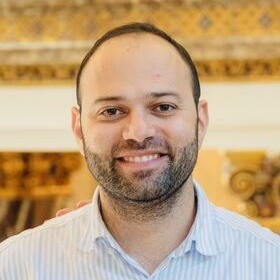
Dr Ibrahim R. Bou-Orm
Ibrahim joined LSTM as a Senior Lecturer in Global Health and Social Sciences in 2024. He has extensive experience in designing and implementing complex health systems and policy studies in fragile and conflict-affected settings.
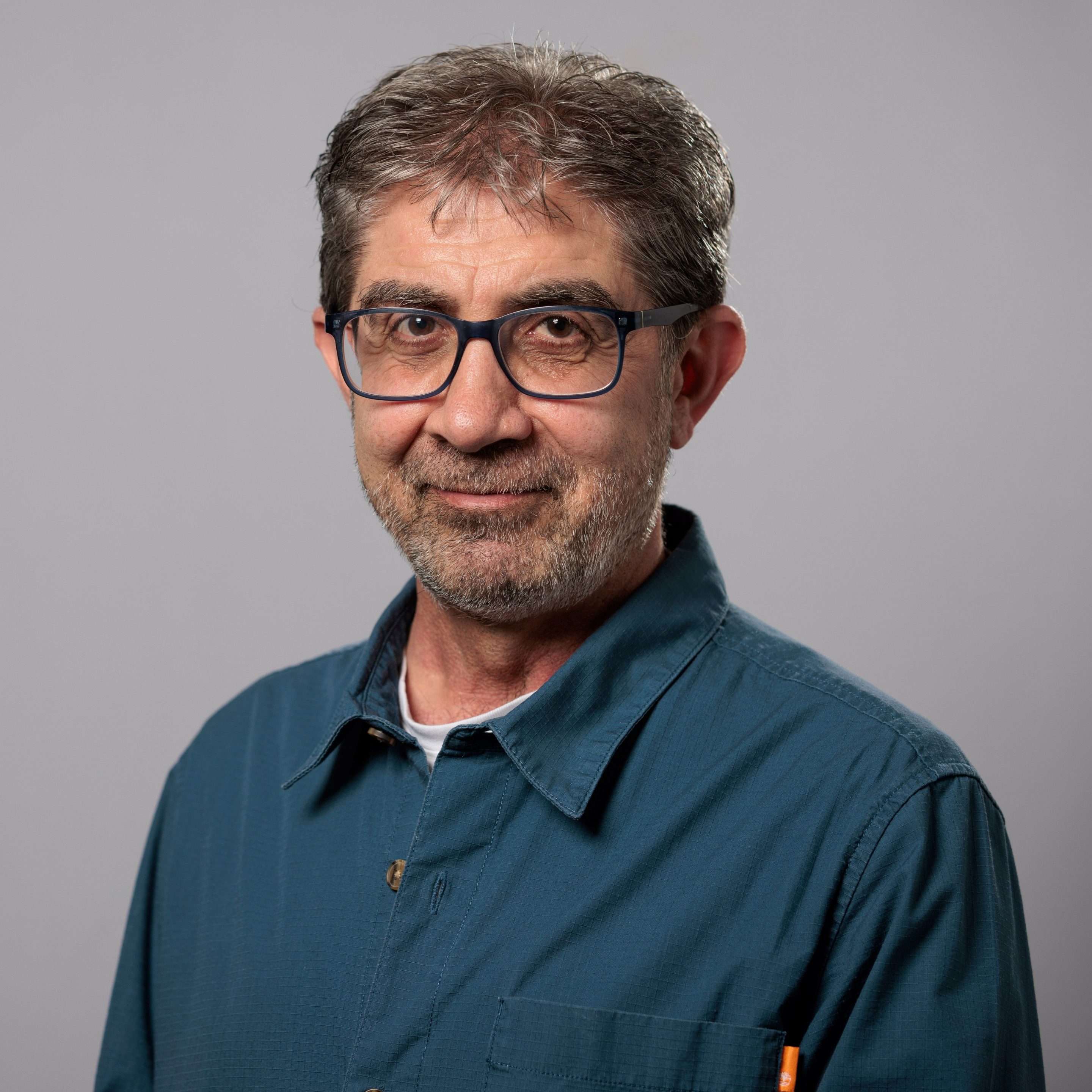
Professor Fouad Fouad
Fouad joined LSTM as a Social Sciences and Global Health Professor in 2024. He has worked extensively on migration and health, focusing his research on multidisciplinary approaches to forced displacement, health systems in humanitarian settings, and the political economy of health in protracted crises.