The Liverpool Vaccine Group
Brings together scientists, doctors and nurses at Liverpool School of Tropical Medicine. We research respiratory infections caused by viruses and bacteria, helping to strengthen prevention and treatment.

We lead the Experimental Human Pneumococcal Carriage (EHPC) Consortium, funded for five years by the Medical Research Council. We use studies in healthy volunteers and people at increased risk of pneumococcal disease to understand why some people are protected against pneumococcal carriage and others are not.
We have developed a method, unique in the world, for inoculating humans safely with live bacteria to establish carriage experimentally. We have now tested it in over 1,000 subjects without adverse effects.
Testing new vaccines using EHPC can be done more quickly and at a fraction of the cost of clinical studies. This work can be done with around 100 subjects rather than many thousands, so we can test several vaccines during the programme, alongside discovery science.
Take part in our clinical trials at the Accelerator Research Clinic
Research at LSTM is working towards developing new vaccination in the prevention of pneumonia. Without volunteers, progress in our research would be impossible.
By taking part, you can:
- find out the facts about pneumonia and how your participation could potentially benefit millions of people
- understand what participating in a clinical trial involves, from start to finish
- receive compensation for your time and participation

Why we are doing this research
In the UK, pneumonia mainly affects older people. Worldwide, pneumonia is described as the biggest killer of children under five. The good news is that pneumonia can be prevented with better vaccination.
There are over 90 strains of pneumococcal bacteria, but the current vaccines available in the UK only protect against some of them. Our research helps us understand immune responses and transmission, so we can develop better vaccines.
How we test vaccines
Traditional vaccine testing can involve vaccinating large numbers of people and monitoring them for long periods of time. This can be costly and resource-intensive, which can limit vaccine availability in lower-middle income countries.
We use studies that focus on carriage, which helps us test current and new vaccines with smaller numbers of volunteers and produce results more quickly. This is also why EHPC can be quicker and less expensive than large clinical studies, and why we can test several vaccines during the programme, alongside discovery science.
News

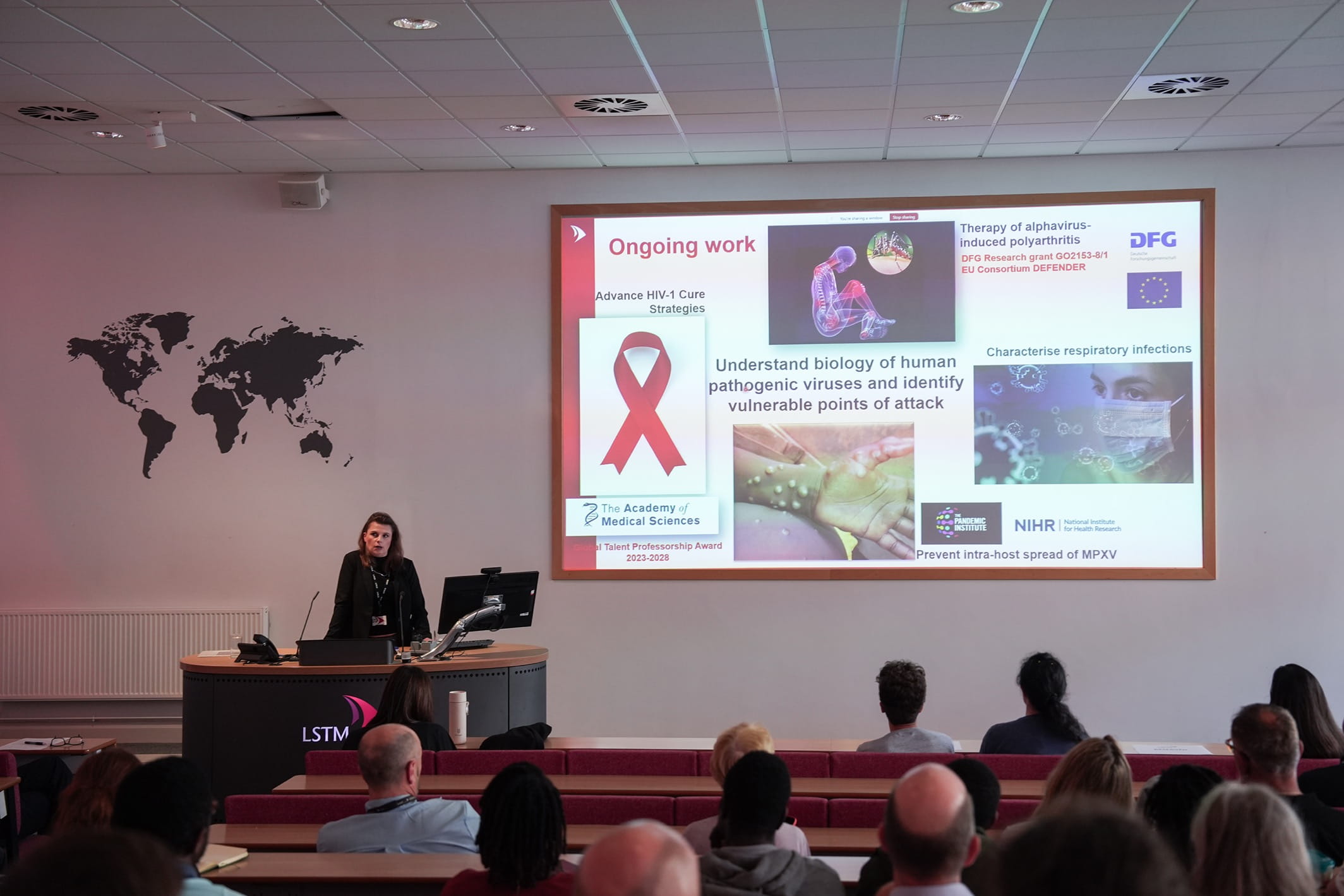
Inaugural Lecture – Professor Christine Goffinet
52:42