Malaria in Pregnancy (MiP) Consortium: Protecting mothers and babies from malaria’s deadly impact
Malaria in Pregnancy (MiP) Consortium: Protecting mothers and babies from malaria’s deadly impact
2007 – 2017
The challenge
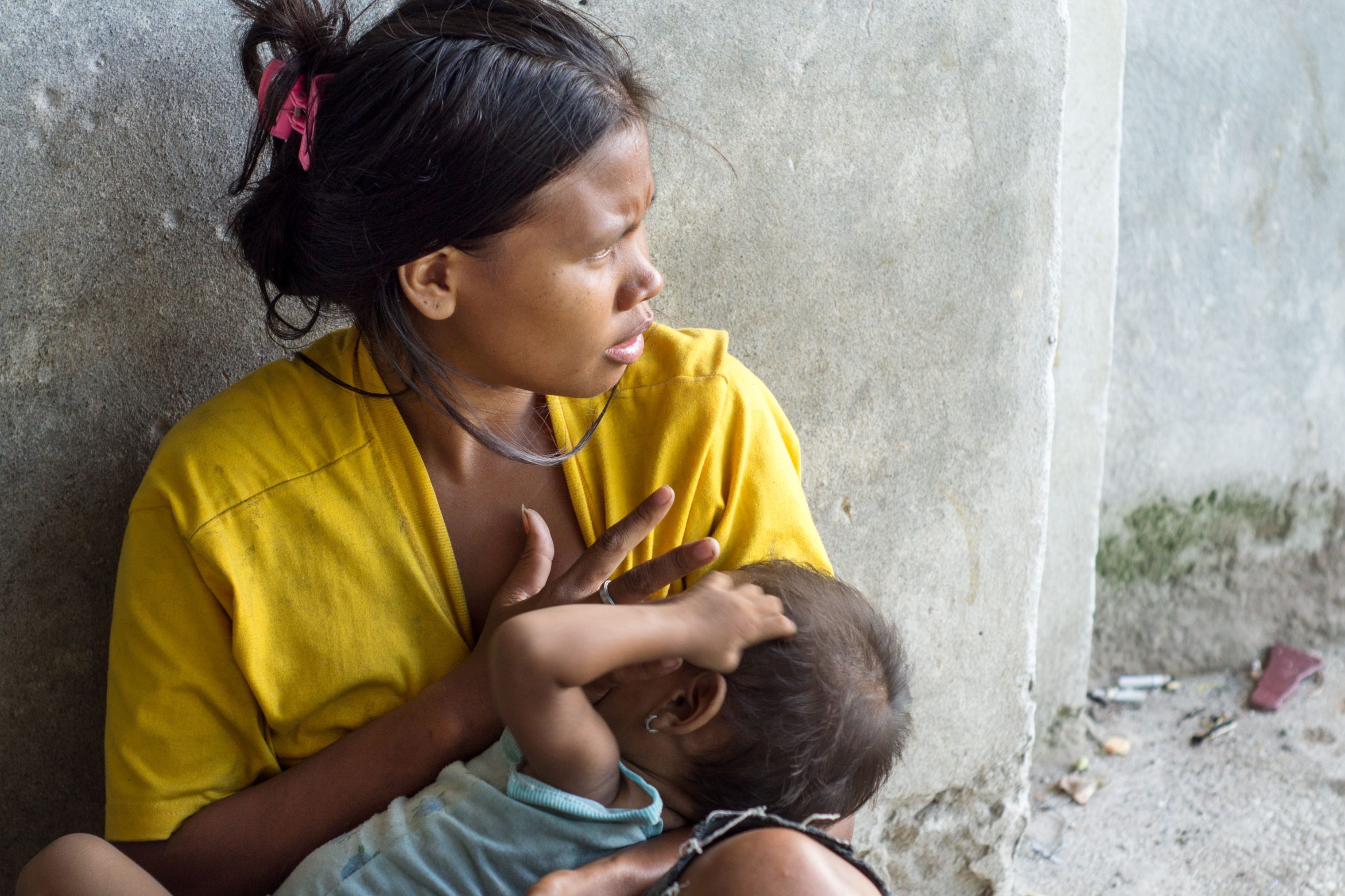
Every year malaria threatens 125 million pregnancies worldwide, causing devastating consequences for mothers and their babies. Malaria during pregnancy leads to as many as 100,000 children dying needlessly each year and contributes to approximately 25,000 maternal deaths. In sub-Saharan Africa, where malaria is widespread, severe cases account for roughly 10% of all deaths during childbirth.
Pregnant women face unique dangers from malaria infection. Changes in their immune system make them more vulnerable to infection, while hormonal shifts make them more attractive to malaria-carrying mosquitoes. Without proper treatment and prevention, malaria during pregnancy causes severe anaemia in mothers, pregnancy loss, low birth weight babies, and significantly increases the risk of infant death. The challenge grows more serious as drug resistance spreads and safety data remain limited for many antimalarial treatments in pregnant women.
About the project
The Malaria in Pregnancy (MiP) Consortium is the world’s largest international research collaboration dedicated to protecting mothers and babies from malaria. Led by LSTM, this groundbreaking partnership brought together 47 expert institutions across 32 countries to address critical gaps in malaria treatment and prevention during pregnancy.
Established in 2007 with an initial grant of $31 million from the Gates Foundation, with additional support from the European and Developing Countries Clinical Trials Partnership (EDCTP) and the European Union (EU), the Consortium has conducted the largest clinical trials of their kind. These studies have enrolled more than 15,000 African women, providing an unprecedented evidence base for safer, more effective malaria care during pregnancy.
Our strategies and approaches
Large-scale clinical trials to establish safety and efficacy
The Consortium conducted multiple landmark trials, including the PREGACT study—the largest comparative malaria treatment trial for pregnant women in Africa to date. This four-year study involving over 3,400 women across Burkina Faso, Ghana, Malawi, and Zambia compared four antimalarial treatments head-to-head, providing crucial evidence that all commonly used artemisinin-based combinations are safe and effective for pregnant women.
Developing evidence-based policy recommendations
Our research directly influences global health policy through collaboration with WHO and other international bodies. The Consortium’s work has led to updated WHO guidelines, including the recommendation to change from twice-per-pregnancy to monthly dosing for preventive treatment, and provided reassurance about the safety of artemisinin-based drugs in early pregnancy.
Addressing drug resistance through innovative prevention strategies
As resistance to sulphadoxine-pyrimethamine increases, the Consortium is pioneering alternative approaches. Current EDCTP-funded trials are testing dihydroartemisinin-piperaquine as a replacement for preventive therapy, while ongoing studies explore new combination therapies that can overcome emerging resistance patterns.
Key Findings and impact
Revolutionary safety evidence for antimalarial treatments
The Consortium provided the first comprehensive safety data for artemisinin-based combination therapies in pregnant women, leading WHO to update their guidelines for malaria treatment in the first trimester. This breakthrough means that pregnant women with malaria can now access the most effective treatments available, rather than being restricted to older, potentially less effective options.
Policy changes that save lives globally
Our analysis of dosing strategies resulted in WHO updating the global preventive therapy policy in 2012, changing from a twice-per-pregnancy regimen to monthly dosing at every antenatal clinic visit. This simple change has been highly cost-effective and has improved protection for millions of pregnant women across malaria-affected countries.
Establishing new standards for pregnancy research
The Consortium developed innovative safety monitoring tools specifically designed for pregnancy research, filling a critical gap in how medicines are tested during pregnancy. These tools, now used internationally, ensure that both mothers and babies can be properly monitored during clinical trials, enabling safer research in this vulnerable population.
Building research capacity across Africa
Through partnerships with institutions across sub-Saharan Africa, the Consortium has trained numerous Master’s and PhD students while establishing high-quality research infrastructure that continues to benefit local communities long after trials conclude.
Our partners
The MiP Consortium represents one of the largest international research collaborations in global health, bringing together expertise from across continents.
- Malaria Research and Training Center (MRTC), University of Bamako, Mali
- Centre Muraz, Burkina Faso
- Eduardo Mondlane University (UEM), Mozambique
- MRC Unit The Gambia (MRCG)
- Multiple sites across Kenya, Tanzania, Ghana, Malawi, and Zambia
- Barcelona Institute for Global Health, Spain
- Institute of Tropical Medicine Antwerp, Belgium
- Worldwide Antimalarial Resistance Network (WWARN)
- Gates Foundation
- European and Developing Countries Clinical Trials Partnership (EDCTP)
- European Union