FLiP (Filariasis: Lipids in Pathogenesis)
FLiP (Filariasis: Lipids in Pathogenesis)
2025 – present
The challenge
FLiP is a five-year research programme funded by the Medical Research Council (MRC). It aims to advance the World Health Organization (WHO) neglected tropical disease (NTD) 2030 Roadmap which calls for innovations in therapies for lymphatic filariasis and onchocerciasis to reduce severe morbidity.
Researchers will explore the therapeutic potential of targeting bioactive lipids to create new treatments for filariasis. Their goal is to make existing treatments, like ivermectin, safer for people carrying the Loa loa parasite, and to reduce long-term damage caused by chronic lymphatic filariasis (LF).
Aims and objectives
The project aims to answer four primary research questions:
- What are the bioactive lipidomes associated with acute or chronic filarial immunopathology?
- What are the host and parasite sources of bioactive lipids during experimental acute or chronic filarial immunopathology?
- What are the functions of bioactive lipids in type-2 inflammation during situations of acute or chronic filarial immunopathology?
- Can affordable pharmacological or dietary interventions targeting specific bioactive lipid pathways ameliorate acute or chronic filarial disease?
By the end of the programme, FLiP will have a clear understanding of how to safely and effectively use existing, low-cost medicines to target bioactive lipid pathways.
This could help reduce harmful inflammatory adverse reactions from Loa loa treatments and ease long-term problems caused by chronic lymphatic filariasis, making it quicker and easier to conduct clinical repurposing evaluations in target populations.
The FLiP Team
FLiP is headed by principal investigator Professor Joseph Turner from the Centre for Drugs and Diagnostics (CDD) and the Centre for Neglected Tropical Diseases (CNTD) at Liverpool School of Tropical Medicine (LSTM).
Co-investigators include:
- Professor Royston Goodacre, Director of The Centre for Metabolomics Research (CMR) at the University of Liverpool
- Professor Samuel Wanji, Head of Department for Microbiology and Parasitology at the University of Buea
- Professor Mark Taylor, Director of the CNTD at LSTM
- Dr Shrilakshmi Hegde, researcher-co-investigator and post-doctoral research assistant at LSTM
The PhD project of Bethany Batterley will also support the goals of FLiP. The programme will be supported by Research Technician Andrew Steven and Research Assistant Jessica Dagley.
FLiP collaborations
FLiP will work closely with quantitative lipidomics experts at Cardiff University led by Professor Valerie O’Donnell and tropical medicine experts at Sacro Cuore Don Calabria Hospital, Negrar di Valpolicella, Italy.
Background
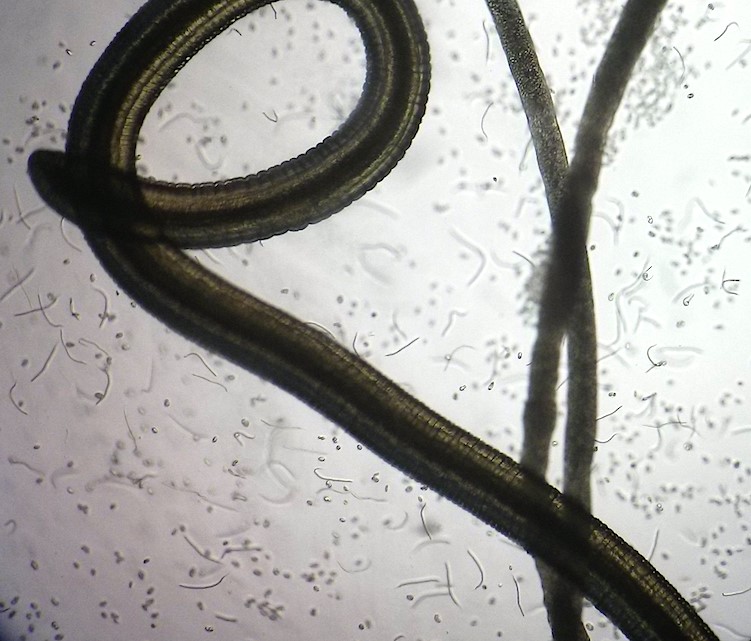
Filarial diseases, such as loiasis, lymphatic filariasis and onchocerciasis, are vector-borne diseases caused by filariae, a type of roundworm, infecting the blood, eyes, lymphatics and skin.
LF causes non-hereditary lymphoedema, classified as a leading cause of global disability, with 36 million individuals suffering stigmatising chronic morbidities, such as elephantiasis or hydrocoele, which can drive depressive illness.
LF and onchocerciasis are therefore prioritised for global or regional elimination as part of the WHO roadmap for 2021–2030. With no vaccines available, the WHO has called for new approaches to accelerate elimination, alleviate suffering, and improve the lives of those affected.
For more information contact: Professor Joseph Turner, Department of Tropical Disease Biology.