Tiny Targets: Eliminating sleeping sickness through vector control
2011 – present
The challenge
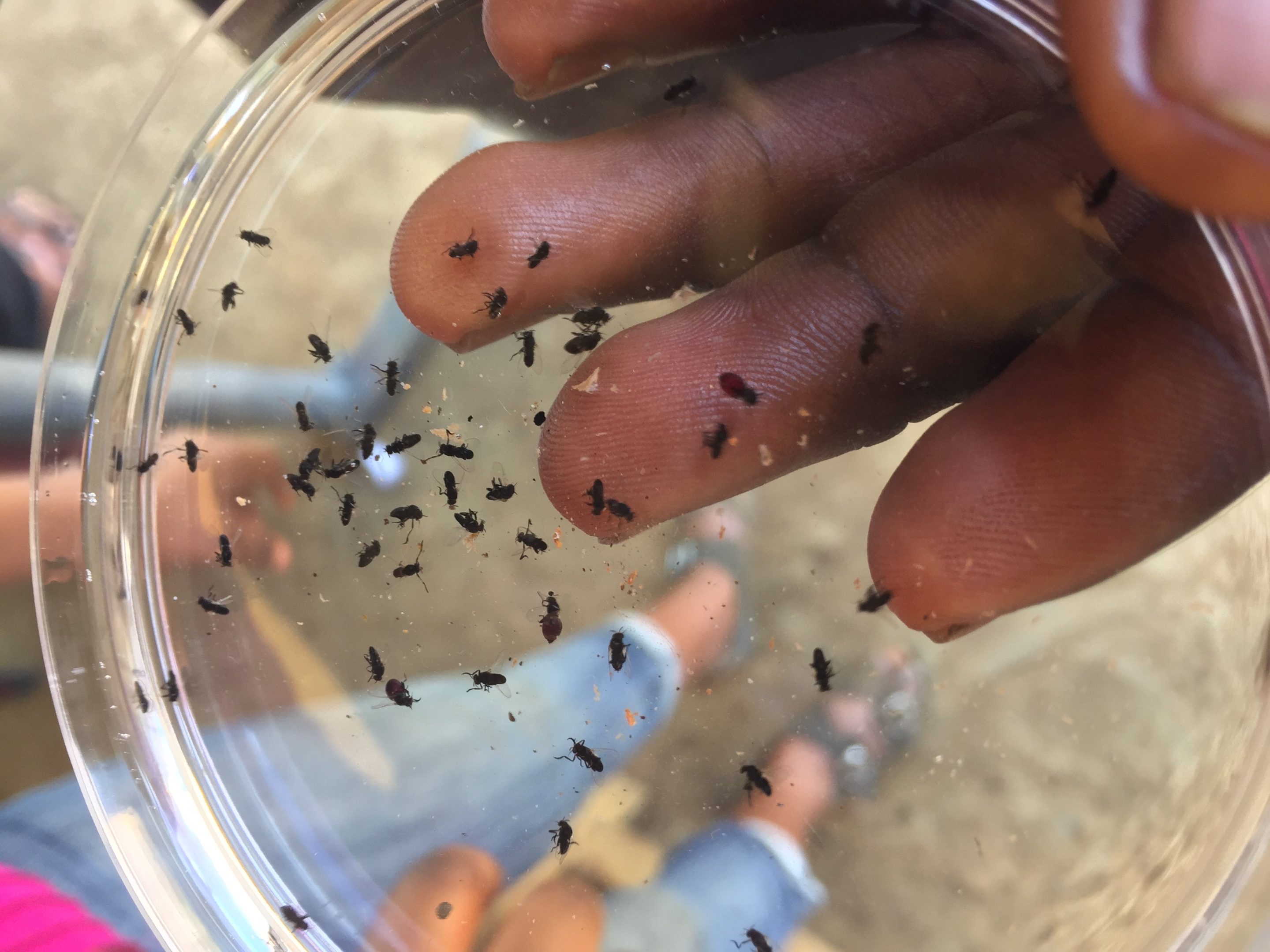
Human African trypanosomiasis (HAT), also known as sleeping sickness, is a deadly disease transmitted by the bite of infected tsetse flies. It affects some of the most remote and underserved communities in 20 countries across sub-Saharan Africa.
There are no vaccines against HAT, and detecting and managing cases have been particularly challenging in rural areas. Traditional methods of controlling the tsetse population have also often been costly, logistically complex, and difficult to scale in these environments.
About the project
Tiny Targets is an innovative vector control initiative led by LSTM and partners to reduce the spread of sleeping sickness. The aim was to reduce tsetse fly densities below the threshold that allows transmission of the disease.
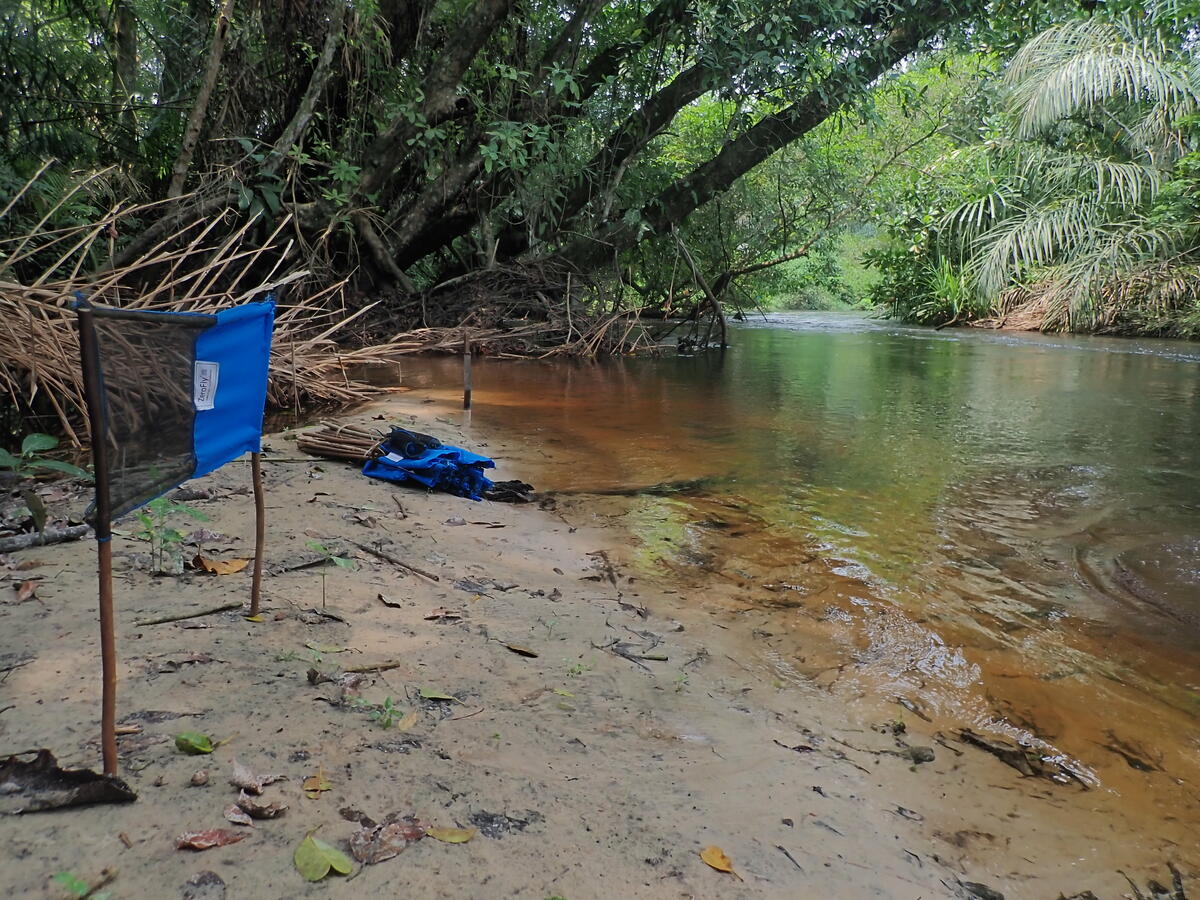
By deploying small, insecticide-treated targets in strategic locations, we drastically lower the number of disease-carrying tsetse flies, interrupting transmission and protecting vulnerable communities. This simple, low-cost solution is changing the way vector-borne diseases are tackled.
LSTM was awarded the prestigious Queen’s Anniversary Prizes, the highest national honour for higher education, for this lifesaving initiative.
Our strategies and approaches
Data-driven deployment
Our strategies are guided by entomological surveillance, modelling, and operational research to maximise impact and cost-effectiveness. We also use detailed mapping and local knowledge to place targets where they’ll be most effective—near rivers, vegetation, and human activity. Try our decision tools.
Community engagement
We work closely with local communities, vector control teams, and national programmes to build trust and ensure the sustainability of interventions. Our sensitisation activities aim to promote behaviours that will optimise the installation of Tiny Targets in the field, including community acceptance of and satisfaction with the program.
Scalable design
Tiny Targets are lightweight, affordable, and easy to deploy, making a large-scale impact possible, even in hard-to-reach areas. For example, the cost of deploying and maintaining Tiny Targets in Uganda in 2015 was estimated to be only US$85 per square kilometre per year. Learn more about tsetse bait technologies.
Key findings and impact
Reduced disease vectors
Our teams, together with local partners, helped achieve up to a 90% drop in tsetse fly populations in targeted areas. With Tiny Targets’ success, vector control has been identified in the WHO strategy for eliminating HAT.
Lowered transmission
Through our research and partnerships, we contributed to the significant declines in reported cases of HAT or sleeping sickness in five countries: Chad, Cote d’Ivoire, Democratic Republic of the Congo (DRC), Guinea, and Uganda. These countries account for almost 90% of cases reported from 2009 to 2018.
Supported elimination goals
Our strategies are aligned with WHO’s 2021-2030 Roadmap to help countries move toward disease elimination. We contributed to the elimination of HAT or sleeping sickness in Uganda.
Strengthened local systems
We helped equip national programmes and field teams with tools, training, and data to sustain progress.