Vector Control and Resistance Management

We are linking research into genomics, behaviour, and ecology to develop and evaluate next-generation vector control strategies.
LSTM’s scientists also collaborate closely with policymakers and implementers to support effective, sustainable interventions for diseases such as malaria, dengue, sleeping sickness, and leishmaniasis.
Through the combination of cutting-edge science and implementation research, we help shape evidence-based responses to emerging threats and deliver real-world impact.
Centres of Excellence
Our specialist Centres, Units and Institutes lead research into vector control and resistance management. By uniting clinical, scientific and operational expertise, they drive innovation in diagnostics, treatment and disease elimination, working with global partners to reduce burden and improve health outcomes.

Meet the team tackling vector control and resistance management through world-class research and practical solutions.

Professor Charles Wondji
Professor Charles Wondji, Professor of Genetics and Wellcome Trust Senior Research Fellow at LSTM, researches the genetics and genomics of malaria vectors, focusing on insecticide resistance in Anopheles funestus and developing molecular tools to improve resistance management and malaria control in Africa.

Professor Hillary Ranson
Professor Ranson leads research on mosquito vector control with a focus on insecticide resistance mechanisms, developing new tools and strategies to improve malaria prevention and vector management.

Professor Tony Nolan
Professor Nolan develops cutting-edge genetic tools to study and control malaria mosquitoes, with a focus on gene drives and functional genetics to support sustainable vector control across Africa and beyond.
Featured projects
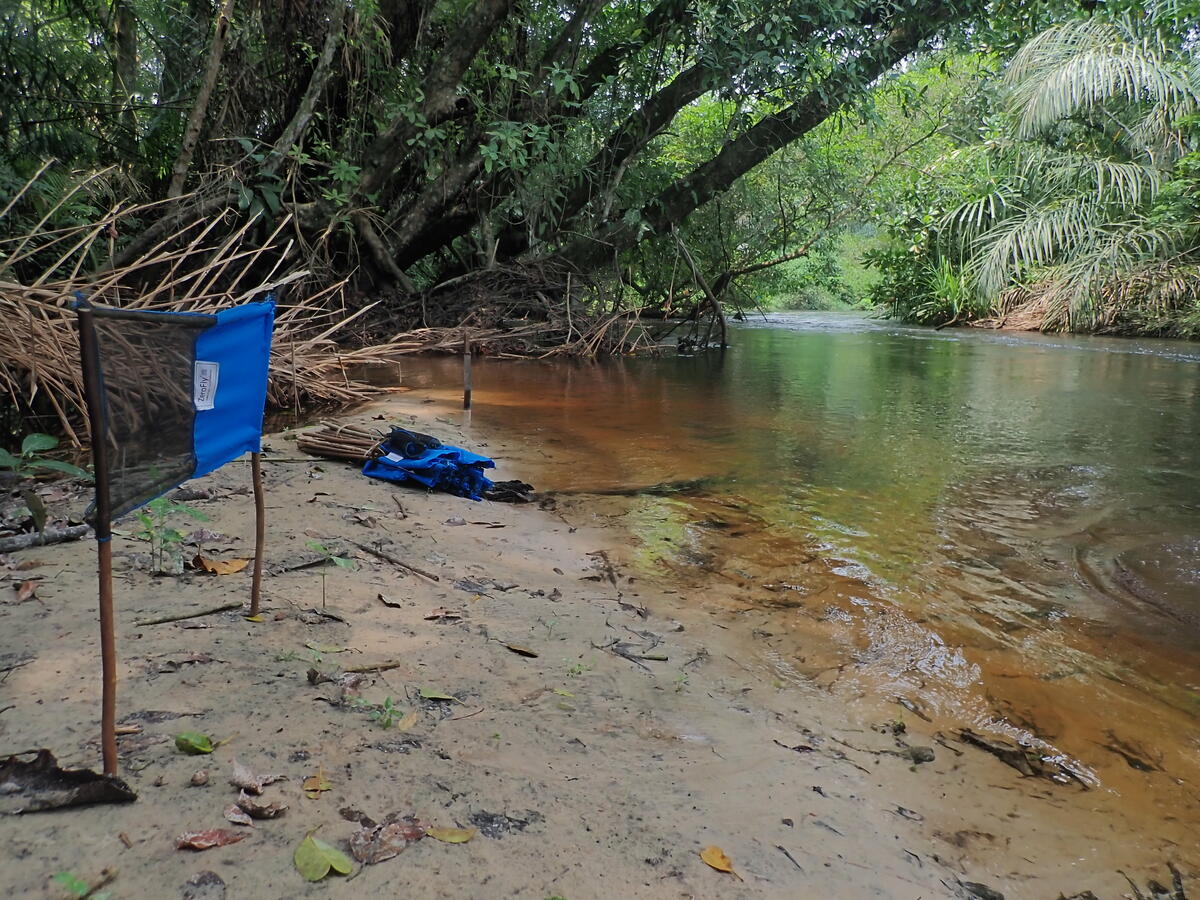
Tiny Targets
Tiny Targets is an innovative vector control initiative led by LSTM and partners to reduce the spread of sleeping sickness. The aim was to reduce tsetse fly densities below the threshold that allows transmission of the disease.

Shire Valley Vector Control Project (Shire-Vec)
Tests and implements integrated vector control interventions in Malawi to reduce the burden of mosquito-borne diseases on local communities.

Drivers of Resistance in Uganda and Malawi
Investigates the social, agricultural, and clinical drivers of antimicrobial and insecticide resistance in Uganda and Malawi to inform more targeted control policies.
Related news

125th Anniversary Scientific Symposium: Reimagining Solutions for the 22nd Century
In November 2024, Liverpool School of Tropical Medicine brought together global health experts from across the world for our flagship scientific symposium.
Hear from leading experts in Vector Control and Resistance Management