Hybridisation in UroGenital Schistosomiasis (HUGS): Understanding hybrid parasites to strengthen schistosomiasis control
2021 – present
The challenge
Schistosomiasis is a neglected tropical disease (NTD) that affects more than 200 million people globally, with the highest burden in sub-Saharan Africa. Urogenital schistosomiasis, caused by Schistosoma haematobium, can lead to chronic health problems including bladder damage, kidney failure, and an increased risk of HIV.
In parts of West Africa, scientists have discovered hybrid parasites formed by the mixing of human-infecting and animal-infecting Schistosoma species. These hybrids could alter how the disease spreads, responds to treatment, and is detected, posing a serious threat to national and global elimination efforts.
About the project
The Hybridisation in UroGenital Schistosomiasis (HUGS) project is an international research collaboration focused on understanding the impact of parasite hybridisation on disease control.
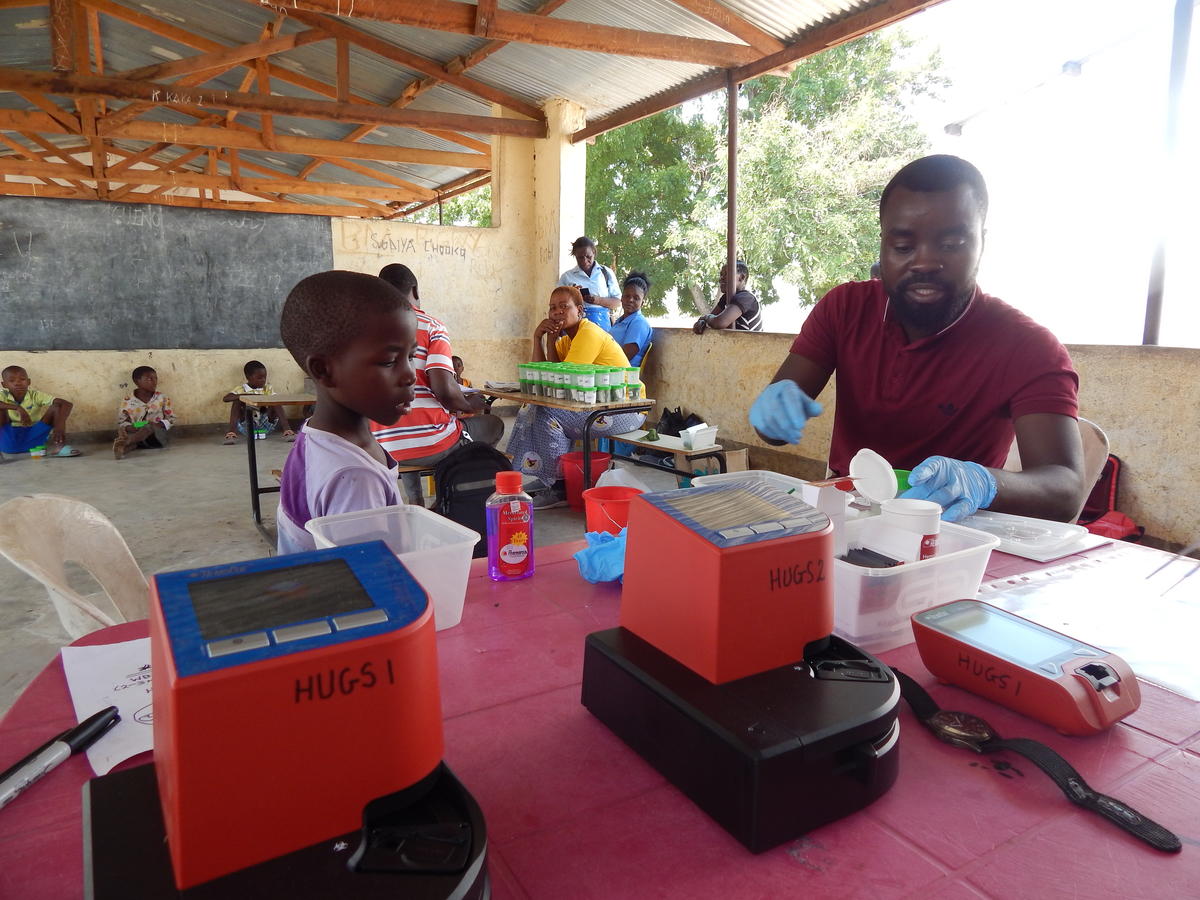
Led by the Liverpool School of Tropical Medicine (LSTM) with partners across Africa and Europe, HUGS integrates genomics, epidemiology, and field studies through a One Health lens. The project is based in Malawi, where two known hybrid species are endemic, and aims to uncover how hybridisation is influencing transmission, diagnostics, treatment efficacy, and elimination strategies.
Our strategies and approaches
Tracking parasite hybridisation
We use advanced diagnostics and molecular techniques to identify and monitor hybrid schistosomes in both human and animal hosts to map transmission pathways.
Linking science to control programmes
We assess whether hybrids respond differently to treatment and how they affect disease outcomes. Our findings inform WHO guidelines and national NTD strategies in endemic countries to adapt surveillance, diagnostics, and treatment initiatives.
A multisectoral, interdisciplinary approach
We apply a One Health approach, recognising the role of livestock and wildlife transmission and the need for coordinated human-animal health interventions. We collaborate across disciplines—from parasitology, genomics, epidemiology, to public health—to generate evidence for updated control and elimination strategies.
Key findings and impact
Generated evidence on hybrid schistosome species
We identified and confirmed the presence of schistosome hybrids in West Africa and beyond using molecular tools that distinguish between parasite species and hybrids. This has led to more accurate surveillance and diagnosis and increased awareness of hybrids’ implications for human health and disease control.
Improved surveillance and diagnosis
We helped fill a major research gap by collecting the first large-scale genetic and epidemiological data on hybrid schistosomes, enabling more informed decision-making among local implementers and policymakers.
Supported national NTD control programmes
We contributed new tools and insights to national health authorities to strengthen and update strategies in light of the risks posed by hybridisation.