Institute for Resilient Health Systems
Transforming health systems to achieve health for all
We are dedicated to establishing and growing a cross-disciplinary network of researchers who, through partnerships with a special focus on underserved communities, contribute to health systems’ abilities to prepare, adapt, and transform in the face of shocks and stressors and reduce avoidable and unfair differences in health worldwide.
Fragile and unprepared health systems struggle to respond effectively to disease outbreaks, extreme weather events, and conflict. This leads to preventable deaths and widening inequities.
Resilient health systems are better equipped to handle interconnected shocks and stressors, ensuring the continued delivery of essential health services. This is essential for protecting vulnerable populations, promoting health equity, and contributing to sustainable development.
Our research focus and approaches
We conduct transdisciplinary and participatory research for health equity
At IRHS, we prioritise health system anticipation and preparedness to shocks by drawing on local knowledge, trusted partnerships, and analysis of stakeholder relationships and power dynamics.
Using innovative, transdisciplinary, and participatory research embedded in systems thinking, we co-create and evaluate resilience strategies with a focus on strengthening primary care functions, aiming to transform health systems and advance health equity and justice.
We support health systems researchers and organisations worldwide
IRHS aims to deliver training programmes and develop toolkits for health systems researchers worldwide so they can generate rigorous evidence and drive impactful health systems and policy change.
We also support our partners in grant writing and research implementation.
We translate knowledge and evidence into action
Our growing team of partners in the majority world, including researchers, programme managers, and postgraduate students listen to local priorities and continually contribute to knowledge translation and advocacy.
We amplify our reach and influence through publications, policy briefs, practical frameworks, symposia, media interviews and events, and multimedia content.
Our team
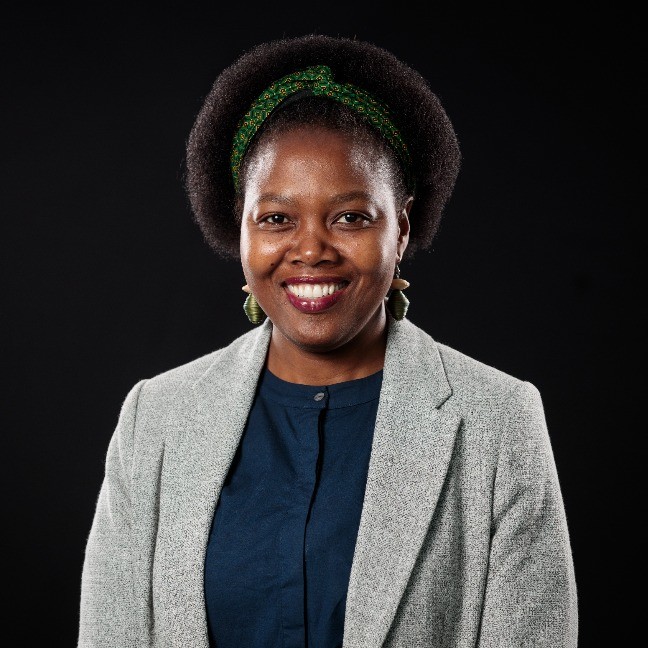
Professor Euphemia Sibanda
Professor Sibanda is an epidemiologist based at the Centre for Sexual Health and HIV AIDS Research Zimbabwe, where she is Deputy Executive Director (Science).
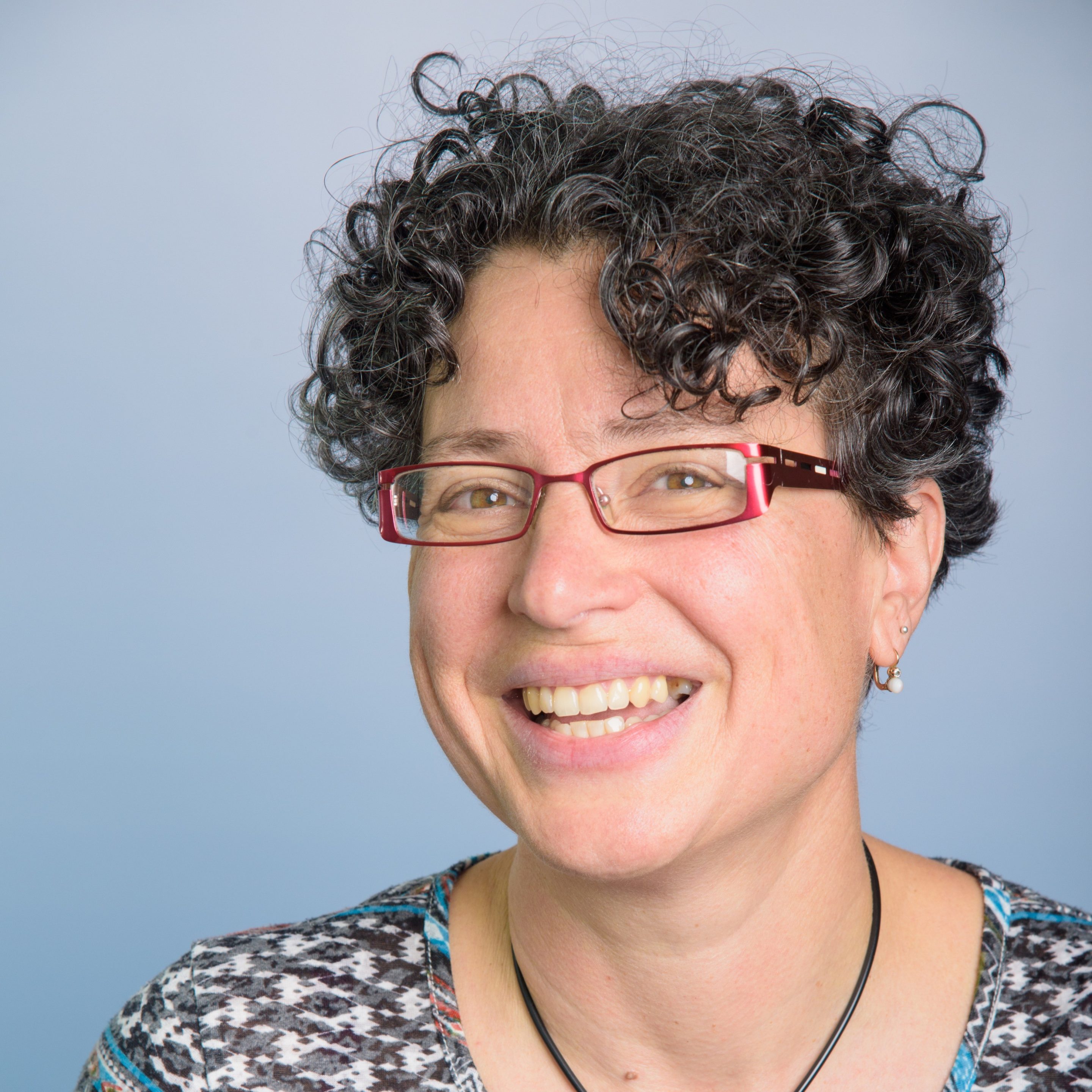
Professor Miriam Taegtmeyer
Professor Taegtmeyer leads research to strengthen community health systems in low-resource settings, focusing on HIV, universal health coverage, and quality improvement. Her work informs global policy and builds local capacity through collaborative, implementation-focused approaches across Africa and Asia.
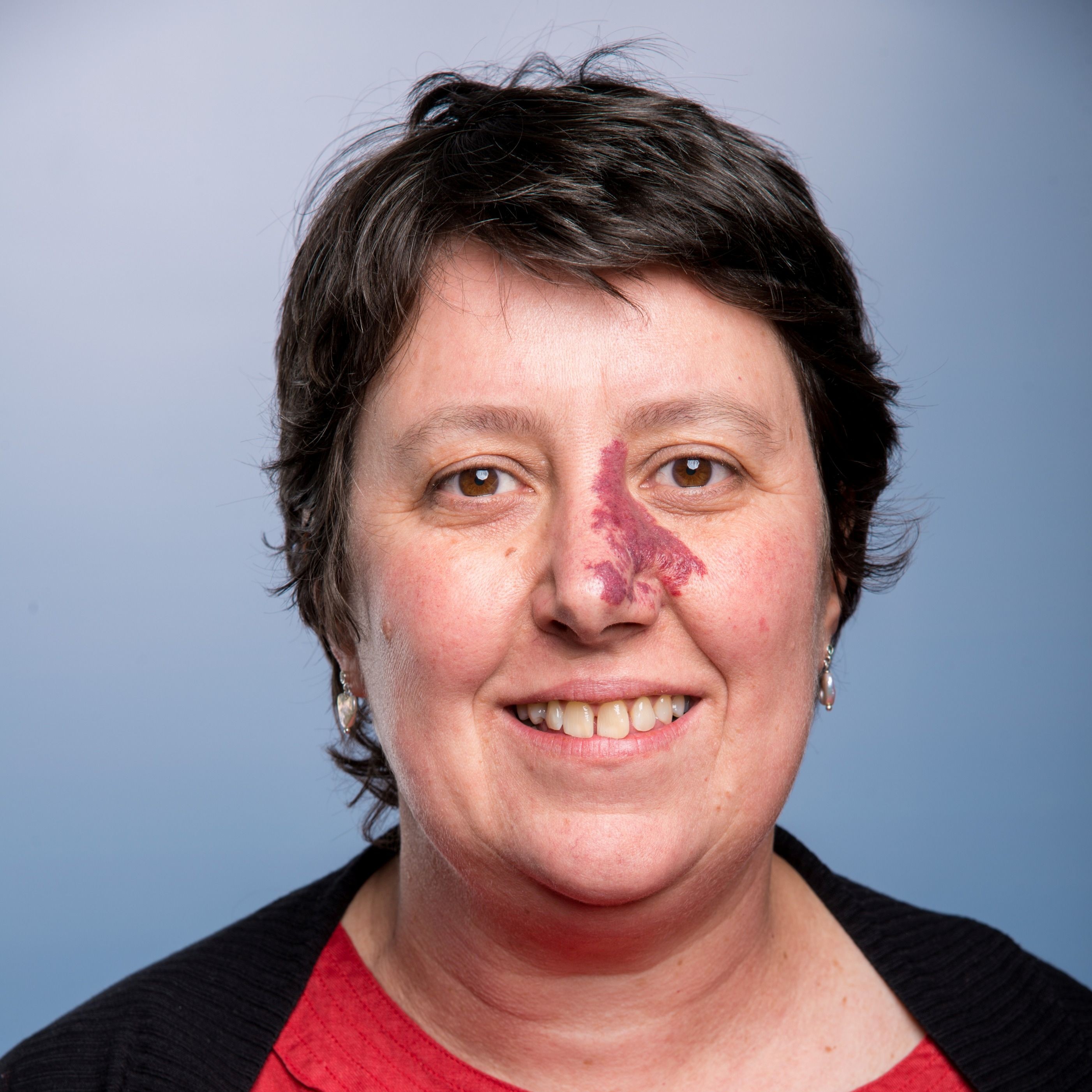
Professor Joanna Raven
Professor Raven is a professor in health systems, specialising in the health workforce in low- and middle-income countries.
Our impact
We have been driving health system transformation for over 30 years
While the IRHS is a new institute within LSTM, our staff have a 30-year history of working in low- and middle-income countries to tackle health system challenges and improve health system preparedness, including responses to antimicrobial resistance, outbreaks, conflict, and climate change. More recently they have expanded to work within Liverpool on urban health and community health.
Today, we continue to leverage this expertise in collaboration with partners on projects spanning over 20 countries.
We lead cross-sector collaborations with lasting impact
The Institute brings together researchers, policymakers, practitioners and communities to strengthen how health systems prepare for, respond to, and recover from shocks and long-term stressors. Our collaborations with local partners are driving real change in health systems in sub-Saharan Africa, South and Southeast Asia, and the UK.
By working across sectors and disciplines, LSTM has helped shape solutions that are grounded in context, embraced and owned by stakeholders, and built to last.
We are building a global network for health systems research
IRHS builds on established programmes such as ReBUILD for Resilience and ARISE, and will initially coordinate research across LSTM, MLW, KEMRI and CeSHHAR before expanding geographically.
By embedding contextualised evidence into policy and practice, we are advancing research that helps health systems anticipate uncertainty, maintain essential services during crises, and reduce avoidable and unfair differences in health worldwide.
Projects
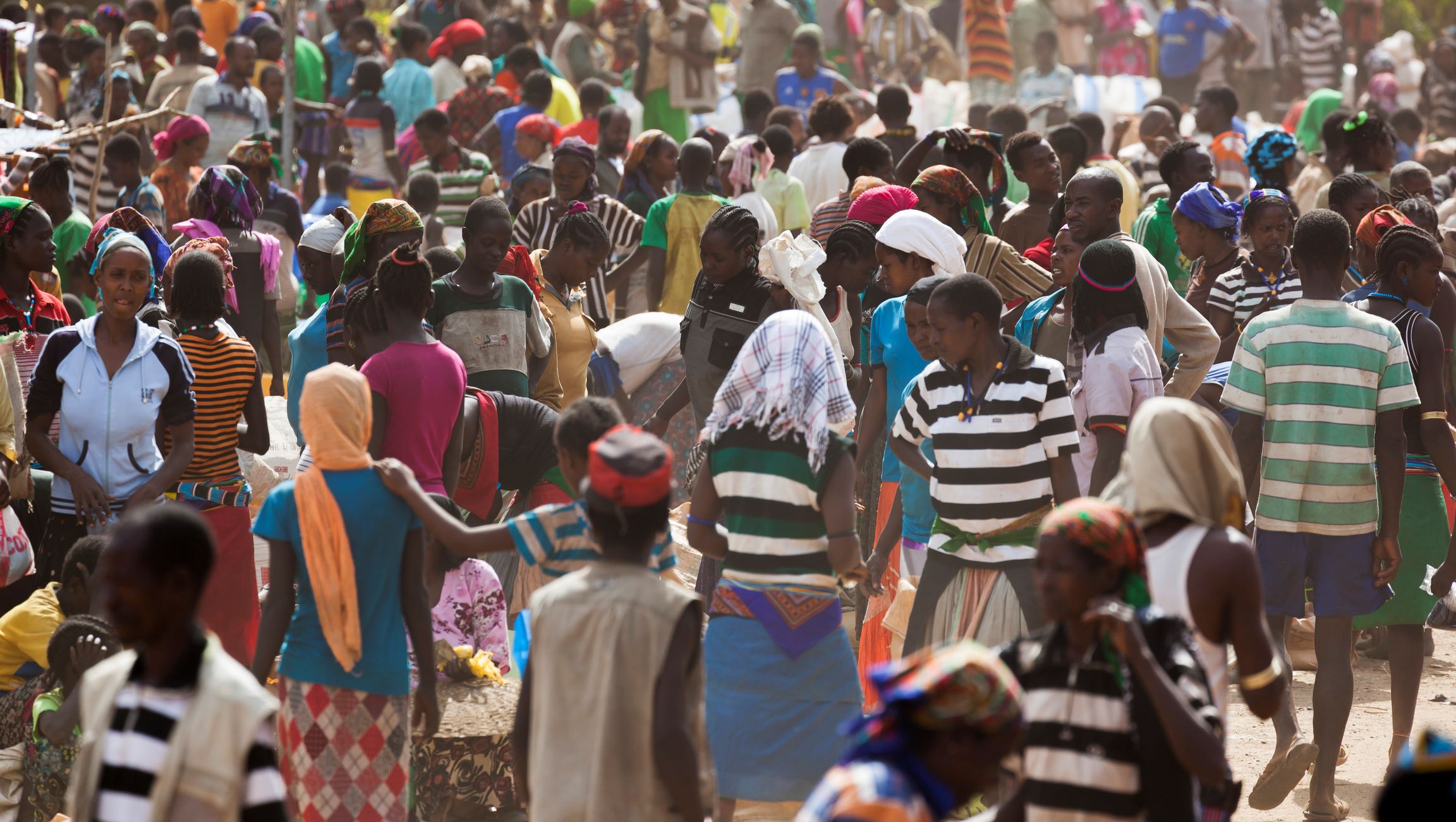
LIGHT Consortium
The LIGHT Consortium (Leaving no-one behInd: transforming Gendered pathways to Health for TB) is a six-year, cross-disciplinary global health research programme funded by UK aid.
Urban SHADE
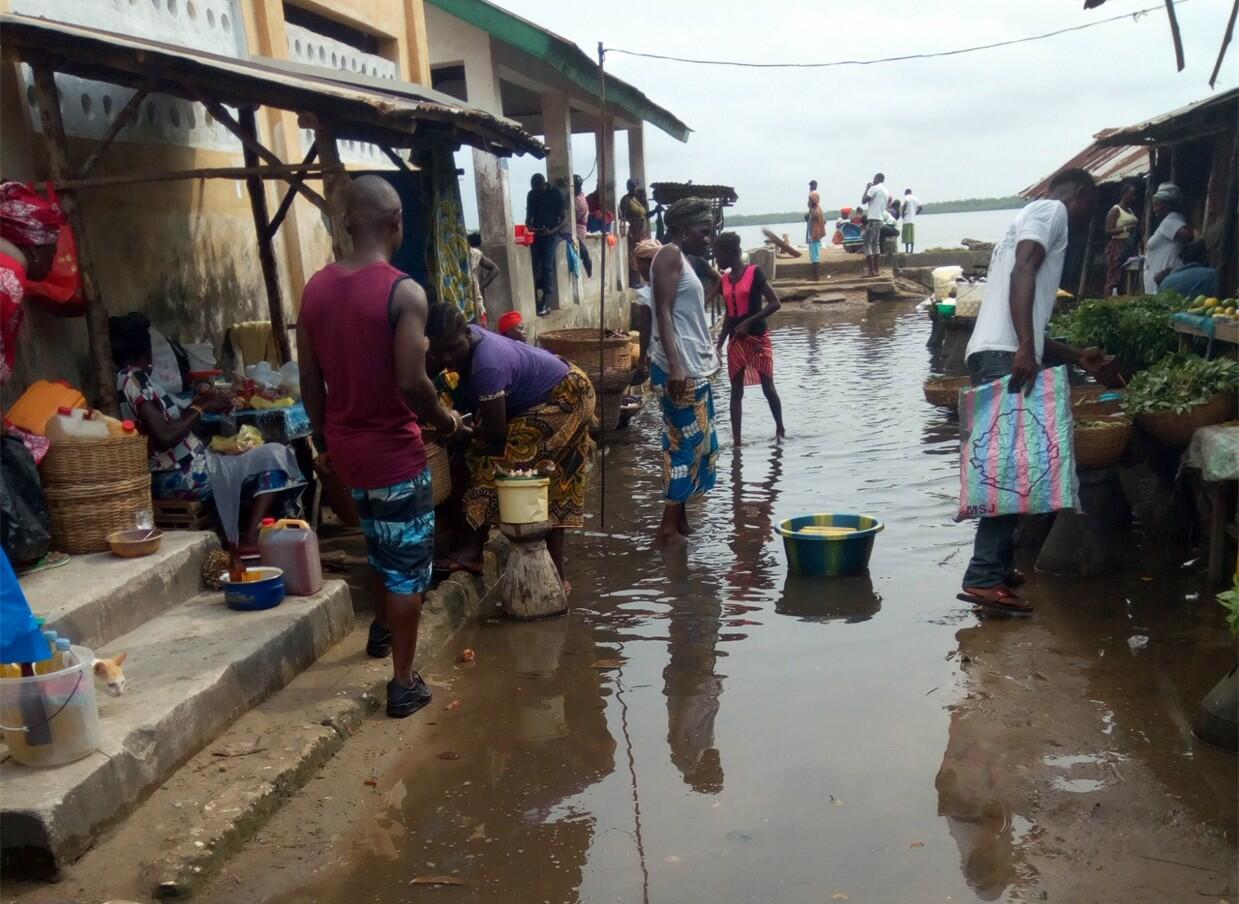
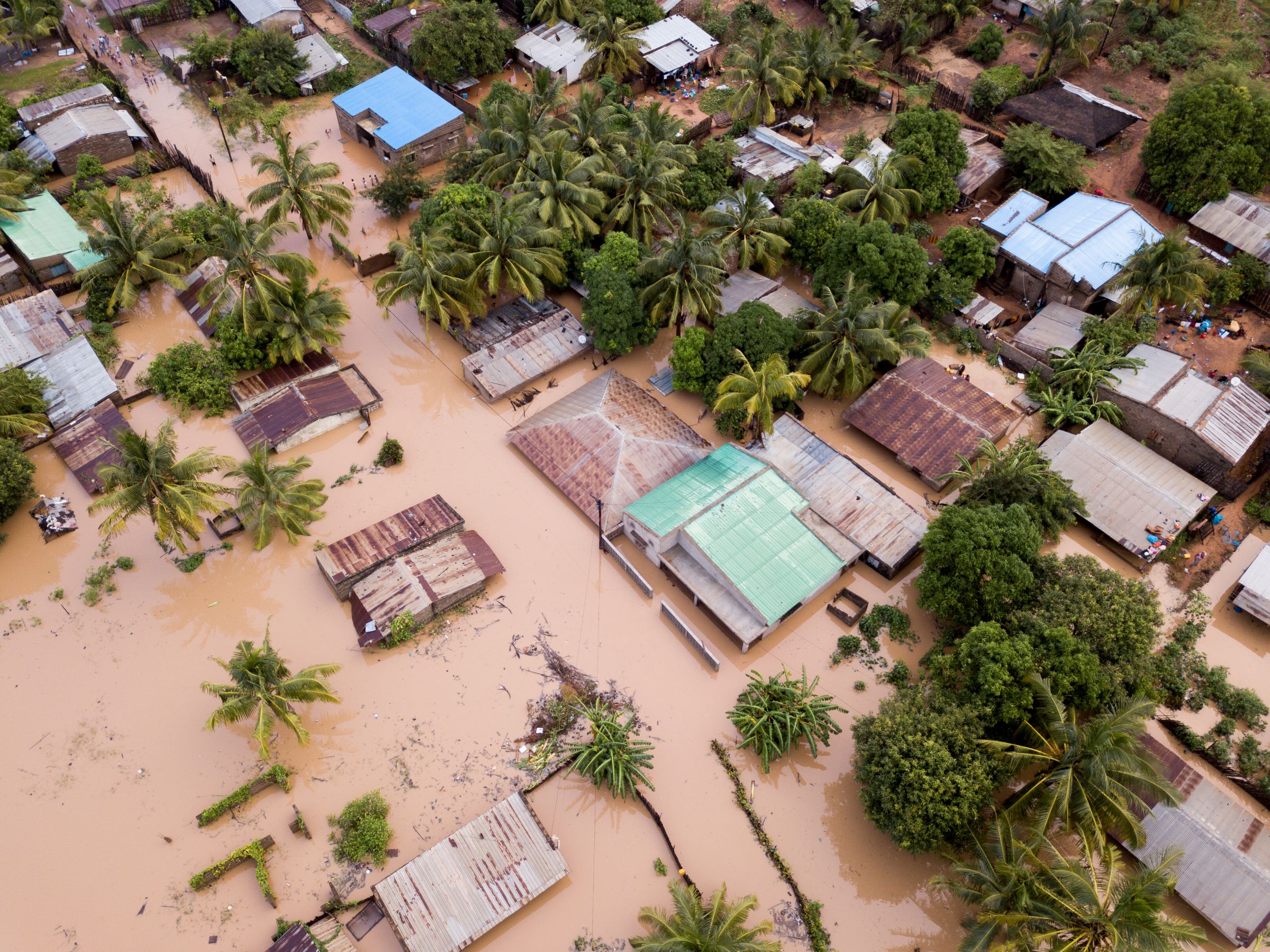
Urban SHADE (Strengthening Health Access and Delivery for Extreme Weather) is a three-year research initiative funded by the UK’s National Institute for Health and Care Research (NIHR) and led by LSTM.
REACT Consortium
The REACT (Resilient and Equitable Health Workforce to Address Climate Threats) Consortium is working to strengthen the responsiveness of the health workforce against health impacts of climate crisis in Nepal and Zimbabwe.
Related news
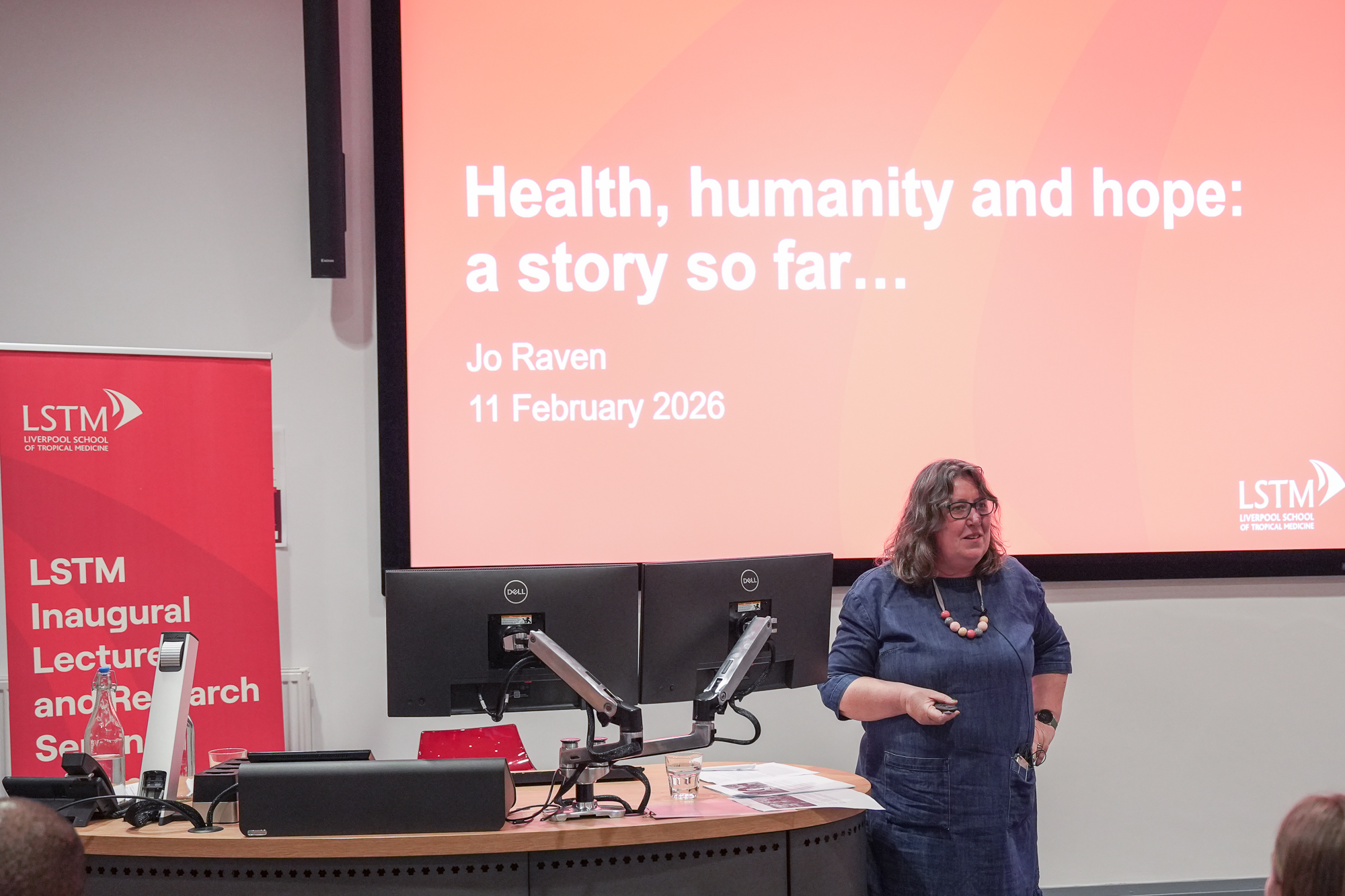
Inaugural Lecture – Professor Jo Raven
1:01:51