Professor Mark Taylor
- Professor of Parasitology, Tropical Disease Biology
- Centre for Drugs and Diagnostics
- Centre for Neglected Tropical Diseases
Biography
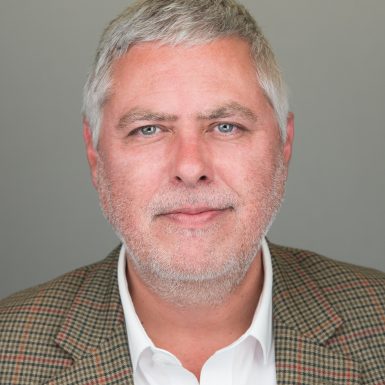
Mark Taylor is Professor of Parasitology, Director of the Centre for Neglected Tropical Diseases, and Director of the A·WOL consortium. He first joined Liverpool School of Tropical Medicine (LSTM) in 1993 and is a former Head of the Department of Tropical Disease Biology. Mark is also a former President of the British Society for Parasitology and received the society’s Wright Medal in 2012. He has led several large multi-disciplinary international research teams in partnership with scientists across low- and middle-income countries, Europe and the US. As Director of the Centre for Neglected Tropical Diseases since 2016, he led LSTM’s role as an implementation partner for the Department for International Development/Foreign, Commonwealth and Development Office/UKAID, supported neglected tropical diseases programmes, strengthened capacity of endemic country laboratories and perfored operational research as Executive Director of COUNTDOWN. Since 2020, the Centre for Neglected Tropical Diseases has expanded to become one of LSTMs Centres of Excellence supporting more than 100 staff and 20 group leaders. Under his leadership the A·WOL consortium developed refined models to screen more than 2 million compounds, delivering thousands of hit compounds. A·WOL created an industry quality screening cascade from scratch using disease-relevant preclinical models established in African laboratories delivering a series of candidate drugs through to human clinical trials for the curative therapy of onchocerciasis and lymphatic filariasis.
In 2023 Mark was awarded the Royal Society for Tropical Medicine & Hygiene/LSTM Hemingway Award, and in 2024 The Royal Society for Chemistry Horizon Award in recognition of the impact of his translational research. He Chaired the Wellcome Trust’s Public Health and Tropical Medicine Interview Committee (2014-2020) and served as a member of the Royal Society’s Future Leaders – African Independent Research Panel (2018-2023).
Research interests
Mark’s area of research is the filarial nematode diseases of humans – lymphatic filariasis and onchocerciasis – two of the leading causes of global disability. His research focuses on the role of wolbachia-bacterial endosymbionts, which have evolved a mutualistic symbiosis that is essential for parasite development, fertility, transmission and survival, supported through career development and senior fellowships from the Wellcome Trust. Wolbachia drives host inflammation evoked by the death of parasites leading to ‘river blindness’. Biochemical identification of the wolbachia ligand driving inflammatory pathogenesis identified the diacylated-lipoprotein, peptidoglycan-associated lipoprotein, as the principal inflammatory mediator. His translational research exploits the wolbachia/worm symbiosis as a target for antibiotic therapy, which for the first time delivers a safe curative therapy for both onchocerciasis and lymphatic filariasis. This approach was adopted by the World Health Organisation as an alternative strategy for treating onchocerciasis in loiasis-endemic areas, as an end-game strategy in the Onchocerciasis Elimination Program for the Americas in Latin America, together with point-of-care therapy for onchocerciasis-associated epilepsy. Operational research has supported improved strategies for treating filarial lymphoedema and recognition of the mental health burden of filarial diseases with advances in programmatic drug delivery contributing to the elimination of lymphatic filariasis from Malawi and Bangladesh. Recently his research group has discovered 91 novel ribonucleic acid viruses infecting 70% of parasitic nematodes infecting >1.5 billion people, livestock and pets. This discovery has revealed a previously hidden, abundant and diverse ribonucleic acid virome of parasitic nematodes, with many potential impacts on parasite biology and disease pathogenesis.
Teaching
Mark teaches on a variety of Diploma in Tropical Medicine and Hygiene and master’s courses at LSTM and elsewhere focussed on the neglected tropical diseases and filarial nematodes with a variety of different training opportunities for PhD, MRes and master’s students to study wolbachia and the ribonucleic acid viruses of parasitic nematodes.
Selected research publications
Ongoing transmission of onchocerciasis in the Pru District of Ghana after two decades of mass drug administration with ivermectin and comparative identification of members of the Simulium damnosum complex using cytological and morphological techniques – Journal: Parasites and Vectors – Published: 18th September 2024
Current status of immunodeficient mouse models as substitutes to reduce cat and dog use in heartworm preclinical research – Journal: F1000Research – Published: 11th September 2024
Diverse RNA viruses of parasitic nematodes can elicit antibody responses in vertebrate hosts – Journal: Nature Microbiology – Published: 4th September 2024
Targeting a microbiota Wolbachian aminoacyl-tRNA synthetase to block its pathogenic host. – Journal: Science advances – Published: 10th July 2024
A Phase 1, Randomized, Double‐Blind, Placebo‐Controlled, Single Ascending Dose Trial of AWZ1066S, an Anti‐ Wolbachia Candidate Macrofilaricide – Journal: Clinical Pharmacology in Drug Development – Published: 24th June 2024
View more publications