Our campus and facilities
We designed our campus for collaboration. Our facilities bring together advanced laboratories, immersive learning technologies and dedicated innovation spaces.
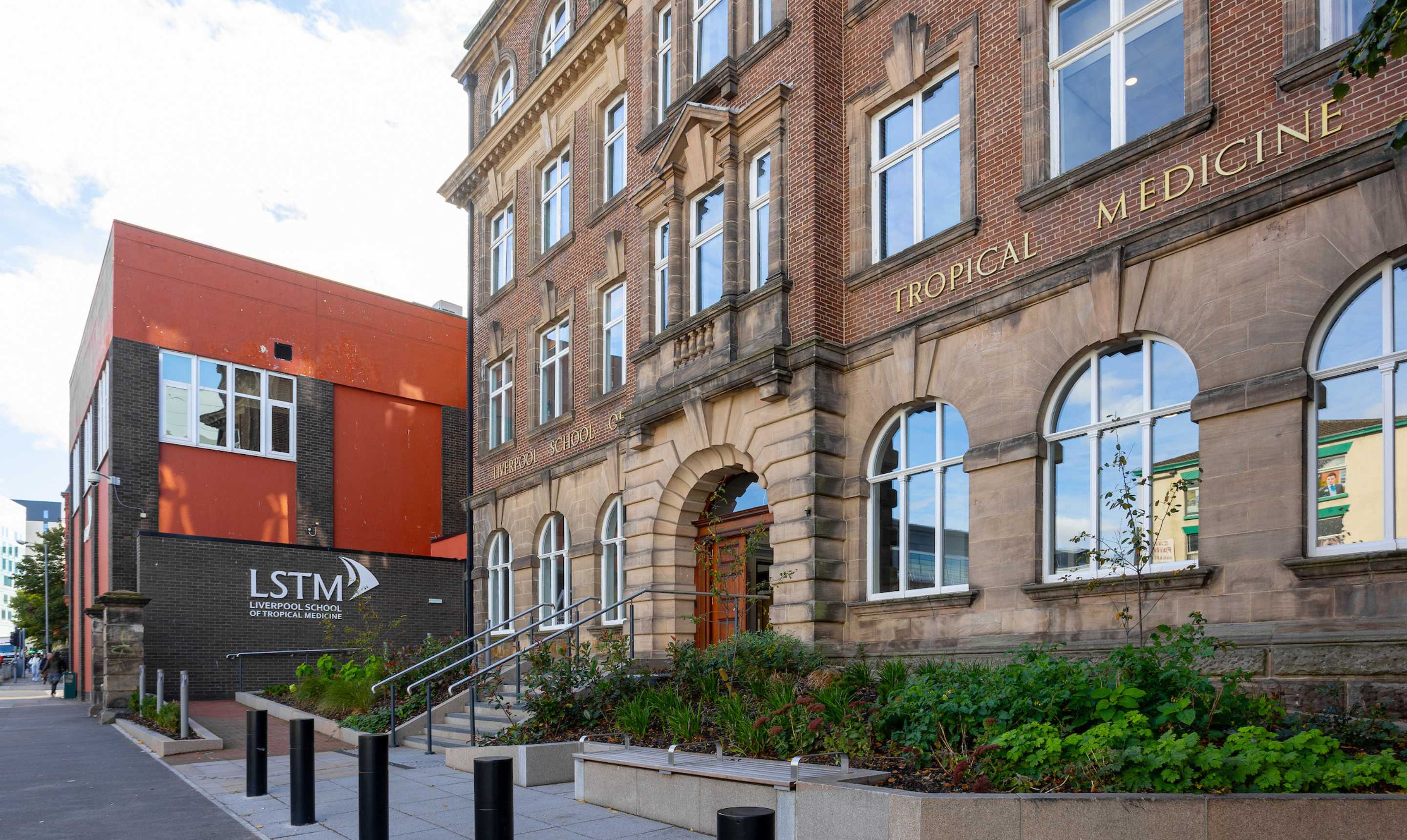
A place for world-leading research and translational impact.
Since 1898, we have delivered groundbreaking research and outstanding teaching. Today, our estate brings historic buildings together with modern facilities to create an inspiring, flexible environment for advanced postgraduate study and research.
Everything is close by, with teaching spaces, specialist laboratories and support services within walking distance. And because we’re based in Liverpool, you can make the most of a vibrant student city with great transport links, culture, and a wide choice of accommodation.
Human Challenge Facility
One of only a handful of such centres worldwide, our dedicated in- and out- patient Human Challenge Facility runs controlled human infection studies. It’s a highly specialised unit that accelerates the development of new vaccines, diagnostics and therapeutics. It enables the safe study of early-stage infections under the highest ethical and biosafety standards.
Human Challenge FacilityLiverpool Robotic Infection Research Laboratory
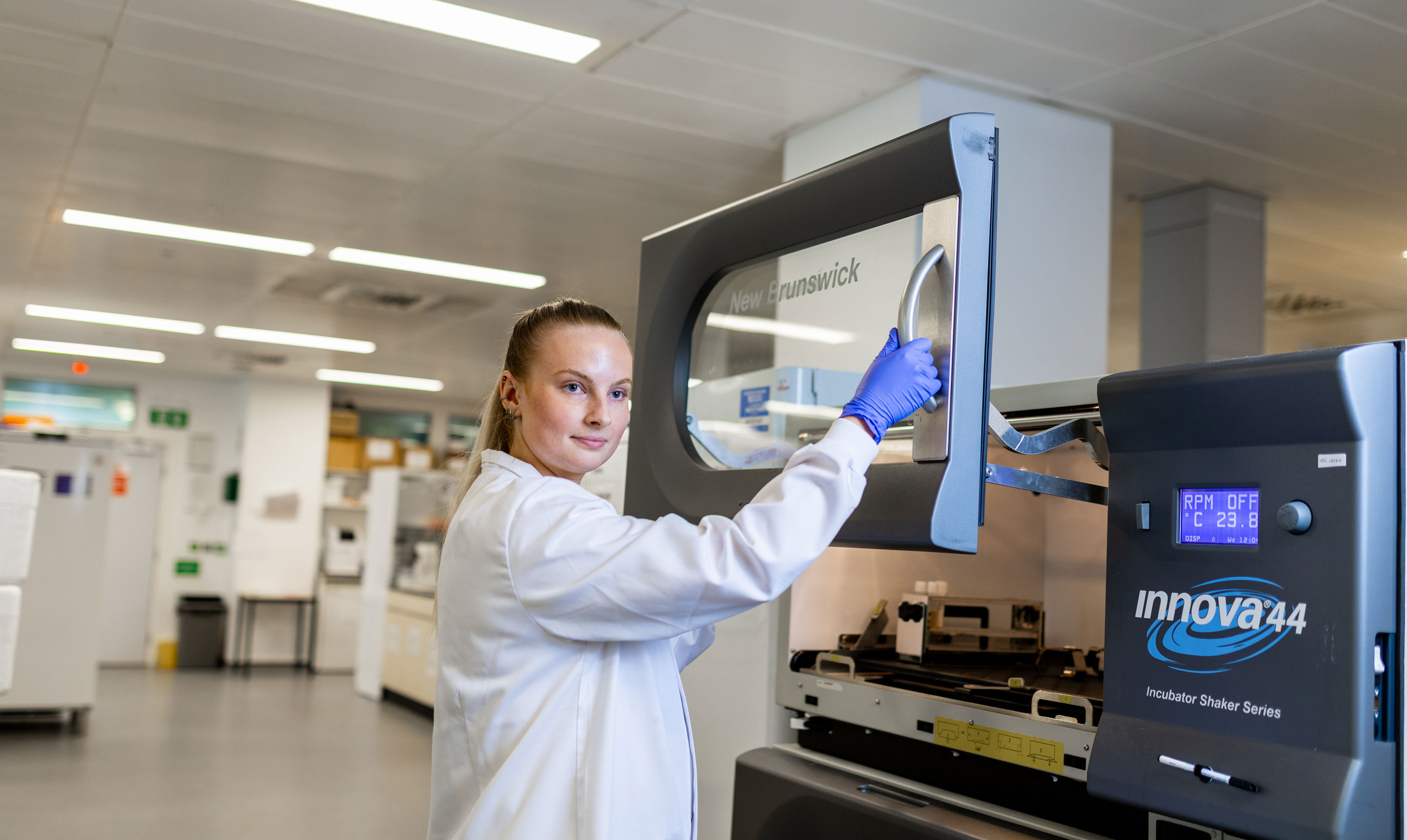
This specialist Category 3 laboratory provides dedicated spaces for high-throughput automated screening and data-driven research. Its advanced robotic platforms streamline complex experimental processes to support high-risk global infectious disease and vector biology research.
Liverpool Robotic Infection Research LaboratoryThe Clinical Diagnostic Parasitology Laboratory
Provides a specialist diagnostic service to hospitals, clinics and health professionals across the UK and internationally; offering specialist testing for a wide range of human parasitic infections;
Clinical Diagnostic Parasitology LaboratoryAccelerator Research Clinic
This facility brings our clinical and laboratory teams together in one place, making it easier to work side by side and process samples quickly. It also offers a more flexible, participant-friendly space, giving people more choice about how they take part in our studies.
Accelerator Research ClinicLiverpool Insect Testing Establishment
A specialist facility for testing insecticide-based products with commercial and academic partners, helping speed up the development of tools that protect people from mosquito-borne disease.
Liverpool Insect Testing EstablishmentWell Travelled Clinics
A recognised centre of excellence, providing specialist pre- and post-travel and occupational health services to the public and to UK-based corporate clients, with fast access to expert advice and vaccines.
Well Travelled ClinicHerpetarium
Our Herpetarium is the UK’s only Home Office-accredited experimental animal facility dedicated to venomous snakes. It supports LSTM’s Centre for Snakebite Research and Interventions, helping us study venom and develop better treatments for snakebite.
Discover our Herpetarium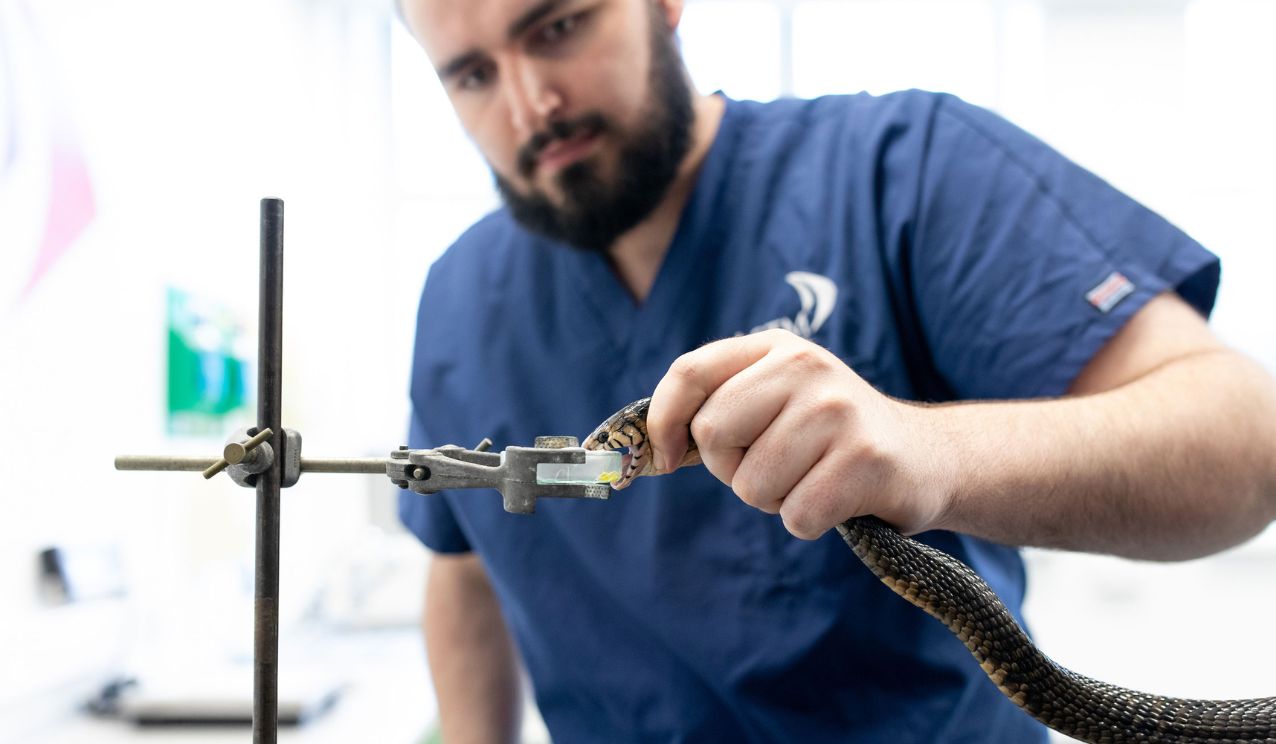
Our buildings
Centre for Tropical and Infectious Diseases
Spread across three floors, well-equipped laboratories and world-leading insectaries that underpin many of LSTM’s global research partnerships. Offering facilities such as molecular biology suites and advanced imaging equipment, it supports research into malaria, neglected tropical diseases, antimicrobial resistance and vector control.
Liverpool Life Sciences Accelerator
This purpose-built facility connects academia, healthcare and industry partners in Liverpool’s Knowledge Quarter. It includes specialist facilities such as high-containment Category 3 laboratories (designed for safely handling higher-risk infectious agents) and insectaries, creating the right environment for research, product development and partnership working under one roof.
Pembroke House
Our flagship learning and collaboration space, the heritage architecture of Pembroke House is synonymous with LSTM. Incorporating modern design and advanced facilities, it features immersive simulation suites, digital learning commons and flexible study areas.
Library
Our library provides world-class access to knowledge in tropical medicine, infectious disease and global health. Combining historic collections with up-to-the-minute digital resources, it supports students, researchers and global partners in-person and remotely.
Discover our library