Our history
Liverpool School of Tropical Medicine was founded in 1898 to address the growing need for specialised training to diagnose and treat tropical diseases. Discover more about the past that shapes who we are today.
The founding of LSTM
In the late 1890s, the Secretary of State for the Colonies, Joseph Chamberlain, issued a call to the General Medical Council and leading UK medical schools for more teaching and research into tropical diseases.
He was concerned about the high mortality rate of colonial officers, white settlers and the merchant workforce. Tropical diseases such as malaria and yellow fever also cost the British Empire a lot of money. The government was keen to address the problem, primarily to protect colonisers and colonists, rather than natives.
In response to this call from Chamberlain, LSTM was founded in 1898.
Why Liverpool?
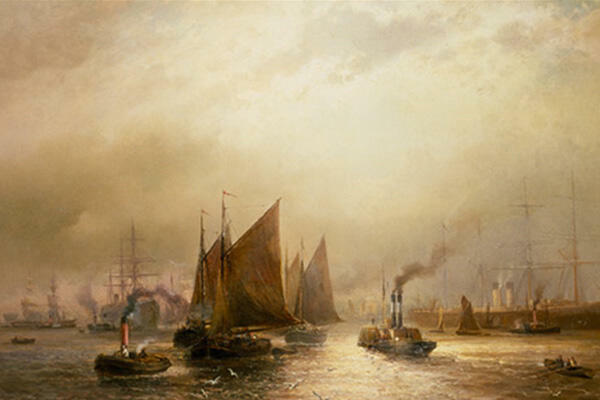
Liverpool’s wealth and prominence in the 1890s was mainly due to its connections with the transatlantic slave economy. During this time, it transformed from a small port to a global centre of trade.
Once the East India Company lost its monopoly of trade between India and China, Liverpool’s merchants quickly took over these trade links. Trade with the colonies produced a wealthy, entrepreneurial class dominated by white European men. It created strong connections to what were referred to as the ‘tropical regions’, and Liverpool soon became the gateway to the British Empire.
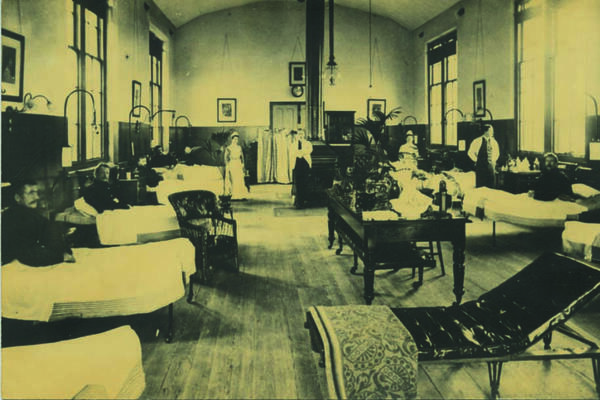
There was a constant stream of tropical disease patients in Liverpool’s hospitals – in the year LSTM was founded, 294 cases of malaria were reported. The city’s shipping magnates recognised the threat posed by tropical diseases, and were receptive to the idea of an institution to study them further.
Our founder
Sir Alfred Lewis Jones was an influential shipping businessman who owned the Elder Dempster Shipping Line. He profited significantly from many European colonies, mainly in Africa, where brutal colonial regimes were responsible for the death of millions of people.
Lewis Jones’ company was complicit in exploiting these countries, shipping goods such as rubber and ivory between Africa and Europe, and increasing his considerable wealth in the process.
In 1898, Lewis Jones offered a three-year contribution of £350 per year to Liverpool’s Royal Southern Hospital. It was chosen due to its proximity to the docks trading with the colonies, and the benefit it would bring to the shipping companies. The offer was accepted, and planning for what would become Liverpool School of Tropical Medicine began.
The early years
Unlike the London School of Hygiene and Tropical Medicine, which opened shortly after, LSTM did not receive and funding form central government. It’s founders raised the funds to set it up.
Rubert Boyce, Liverpool’s city bacteriologist, became LSTM’s inaugural Director in 1898 and was instrumental in shaping its direction. He recruited the world-renowned Ronald Ross as LSTM’s first lecturer in tropical medicine.
Ross would later receive the Nobel Prize for Physiology or Medicine for discovering that malaria was transmitted by mosquitos. Like the founding of LSTM itself, his research was prompted by the desire to protect British colonists from disease.
Despite his intention, this research inspired an important tradition in vector biology that is still going strong today.
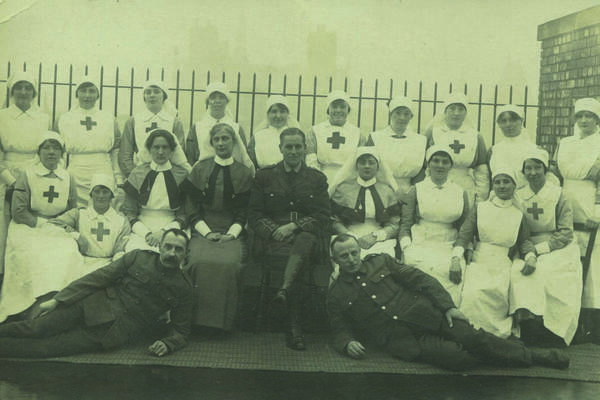
In its first decades, LSTM relied on the facilities of University College, now known as the University of Liverpool. In 1915, LSTM built its own purpose-built facility at Pembroke Place, but the building was used as a military hospital during World War I, so it wasn’t fully opened until 1920.
Early academics of note included Joseph Everett Dutton who discovered one of the trypanosomes that causes sleeping sickness. Harold Wolferstan Thomas developed the first effective treatment for the disease, in collaboration with Anton Breinl, who later became known as ‘the father of Tropical Medicine’ in Australia.
A colonial mindset was still dominant at this time. Even luminaries such as Mary Kingsley, lauded as an ethnographer, writer, and explorer, was motivated by support for the British Empire.
LSTM goes international
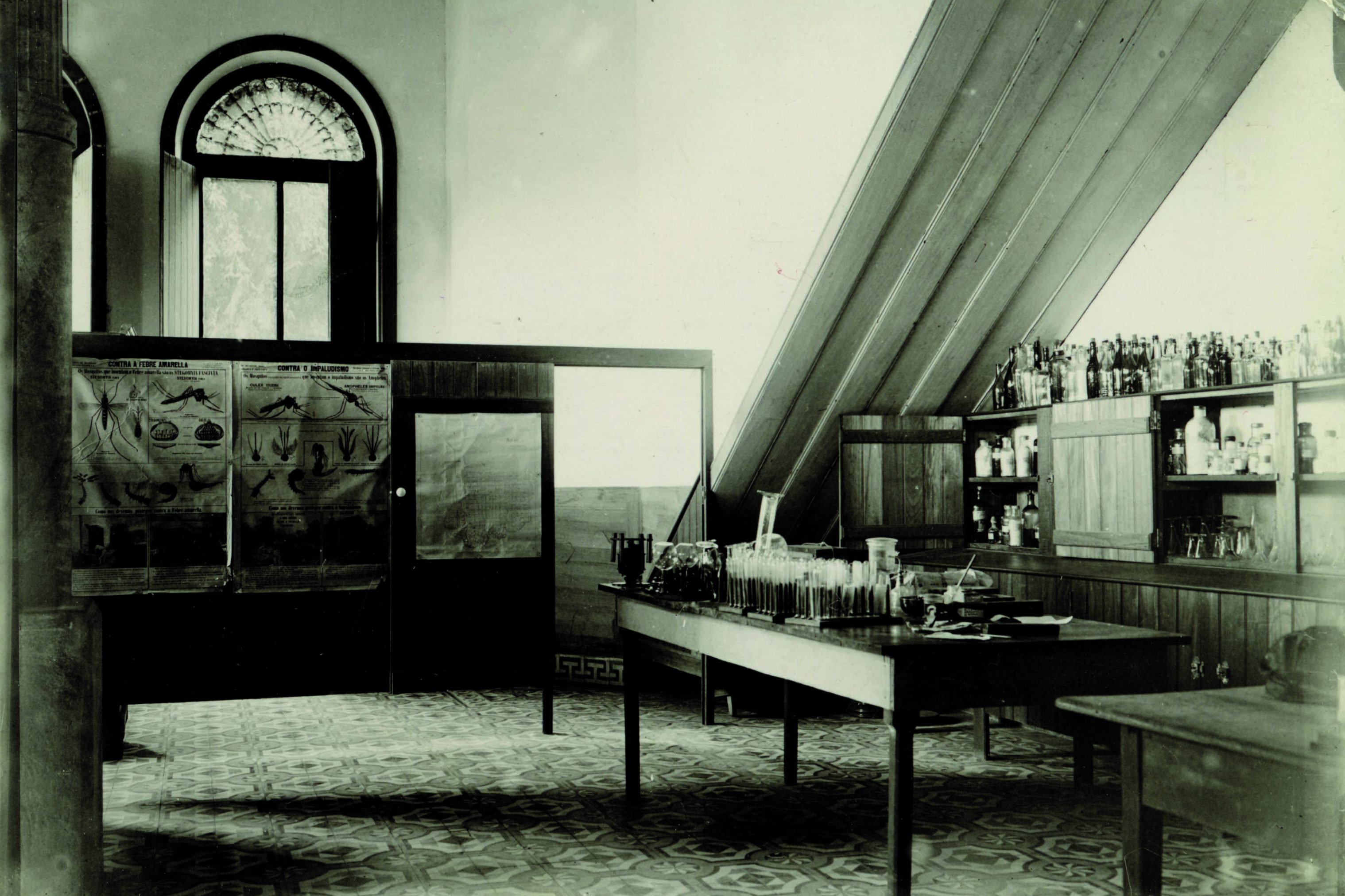
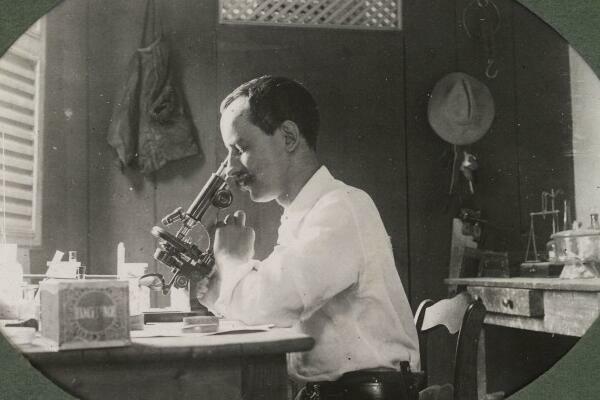
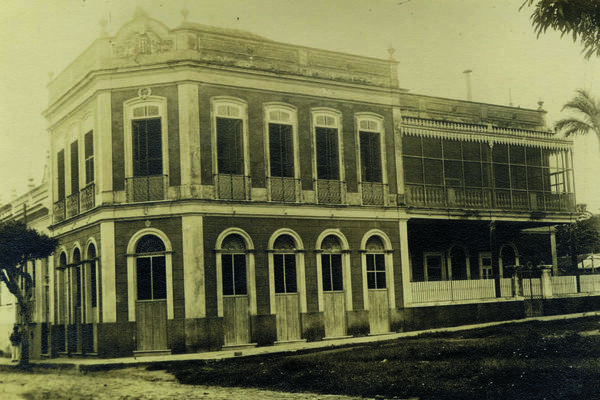
Our first laboratory outside the UK was established in 1905 in Manaus, Brazil, replacing a succession of expensive research expeditions. In 1921, Sir Alfred Lewis Jones’ legacy funded the development of a research laboratory in Freetown, Sierra Leone, which was part of the British Empire.
Before its closure in 1941, the laboratory made some important discoveries, including demonstrating that a species of black fly was responsible for the transmission of filarial worms, which cause river blindness in humans.
A change of focus
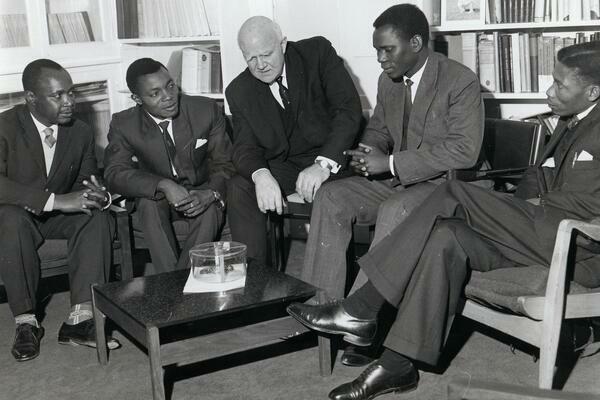
The appointment of LSTM’s longest serving Dean, Brian Maegraith, in 1946, marked a shift away from colonial interests. Maegraith famously declared, “Our impact on the tropics should be in the tropics!” and the curriculum was expanded to cover the needs of people living permanently in disease endemic countries. Important links were established with research institutions across the world, bringing research innovations to those most in need.
Maegraith was also pivotal in the creation of LSTM’s longest running research programme, the Far East Prisoners of War (FEPOW) project. This collaboration saw thousands of returning former prisoners of war treated for ongoing physical and psychological illnesses. It is a body of research which continues today.
Working in partnership
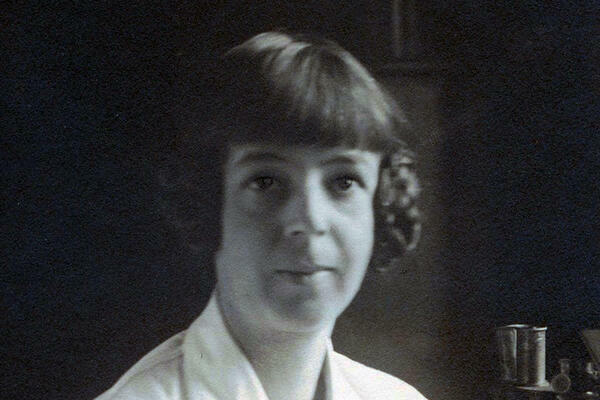
Our first female lecturer, Alwen Evans described herself and her colleagues as specialists, and LSTM’s partners across the world as experts. This sentiment forms the basis of our close and equitable partnerships across the world today.
One of our most successful partnerships to date is the Malawi Liverpool Wellcome (MLW) Research Programme, which has been running for 25 years. It conducts high-quality research to improve health in Malawi and trains the next generation of researchers the country.
Later years
Professor Janet Hemingway established an era of significant investment and expansion when she became Director of LSTM in 2001. LSTM was awarded higher education institution status in 2013 and granted degree awarding powers in 2017.
Our current Vice-Chancellor, Professor David Lalloo, was appointed in 2019 and has overseen continued expansion and development. LSTM gained further recognition during the COVID-19 pandemic when our expertise became instrumental in vaccine trials, treatments, diagnostics and fundraising for healthcare workers overseas.
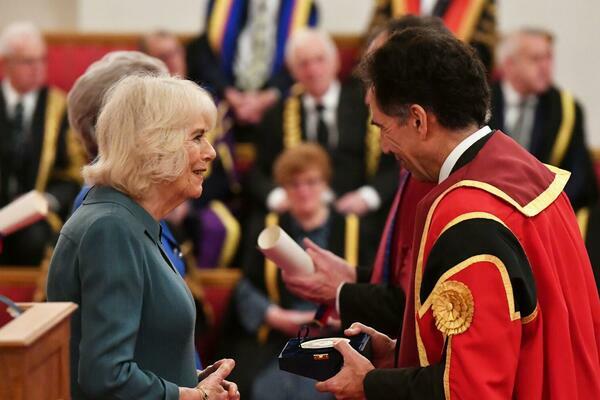
The Research Excellence Framework (REF) 2021 ranked LSTM second in the UK for research impact. In 2022, we were designated as one of 21 world-leading specialist providers by the Office for Students. In 2023 we also received a Queen Elizabeth Prize for Education for our life-saving tsetse control programme, Tiny Targets.
Addressing our colonial past
Celebrating our 125th anniversary from 2023-2024 gave us a landmark opportunity to explore and confront our institutional history and heritage, and address our colonial past head-on.
The first step in our long-term institutional History and Heritage Strategy is the digitalisation and decolonisation of our archive collections. This will democratise access to information, decolonise colonial legacies, and empower us to talk about our history in an informed and evidence-led way.
Next, we will focus our efforts on a long-term colonial history research project. This will be led by academic and non-academic experts who are affected by legacies of slavery and colonialism.
Developing a rigorous public record of our history will create a vehicle for public engagement, widening participation and knowledge exchange. It will enable us to consider opportunities for restorative action, memorialisation, and decolonisation of our archives, education and research.
Our Equity, Diversity and Inclusion (EQ&I) Team works with our Black and Minority Ethnic (BAME) Staff Network to host regular events that strengthen knowledge around LSTM’s colonial history. They explore how institutions with links to slavery and colonialism can tackle their history in an anti-racist way and take meaningful action. This also supports LSTM’s strategic commitment to tackling racial inequity and becoming an anti-racist employer.