Centre for Neglected Tropical Diseases
Translating science into action to control, cure and eliminate Neglected Tropical Diseases
The Centre for Neglected Tropical Diseases (CNTD) builds on over 125 years of LSTM expertise on Neglected Tropical Diseases (NTDs) from their discovery to elimination.
The 21 NTDs identified by the World Health Organization (WHO) affect over 1 billion people, mostly in underserved communities where poverty and inequality allow them to persist. These diseases cause disability, stigma, and loss of livelihood, reinforcing cycles of disadvantage.
The CNTD works to inform policies and strengthen health systems through evidence-based strategies tailored to each context, supporting prevention, early detection, and accessible treatment to save and improve lives.
Our research focus and approaches
We have expertise in translational research that bridges research discoveries with community impact
At CNTD, we translate scientific breakthroughs into practical tools that work in real-world settings, from diagnostics and treatment guidelines to implementation models. This approach ensures that innovations reach the people who need them most.
We use and advocate for integrated surveillance and data for decision-making
We support the design and implementation of robust surveillance systems that guide evidence-based interventions. From mapping disease hotspots to monitoring elimination thresholds, our work ensures that data informs policy and action at every level.
We support national NTD programmes in developing local capacity and sustainability
We work alongside national governments and health ministries to co-develop strategies, capacities, and tools for the control and elimination of NTDs. We help strengthen programme planning, delivery, and monitoring to ensure locally led impact.
Our team

Dr Shree Hegde
Shree joined the Centre in 2021 to work towards developing new diagnostics tools and therapeutic treatments for human and zoonotic filarial infections.

Professor Mark Taylor
Mark’s area of research is the filarial nematode diseases of humans – lymphatic filariasis and onchocerciasis – two of the leading causes of global disability.
Dr David Weetman
David’s research focuses on control of vectors of human disease, particularly aedes and anopheles mosquitoes.
Our impact
We helped accelerate NTD control and elimination in 25 countries
We have played a key role in helping national programmes reach and sustain milestones in the control and elimination of NTDs, such as lymphatic filariasis, onchocerciasis, soil-transmitted helminths (STH) infections, schistosomiasis, and Gambian Human African Trypanosomiasis (gHAT), in countries with the highest disease prevalence and social impact.
We have been advocating for the integration of NTD services into routine care
We co-create strategies with national and local partners to embed NTD prevention and treatment into primary health care. This improves access to health services, addresses equity gaps, and contributes to broader health system resilience.
We reached communities historically left behind
By working in partnership with government and community-based organisations, we help extend health services to marginalised populations. Our work directly addresses the social and structural barriers that allow NTDs to persist, improving health outcomes and social inclusion.
Projects
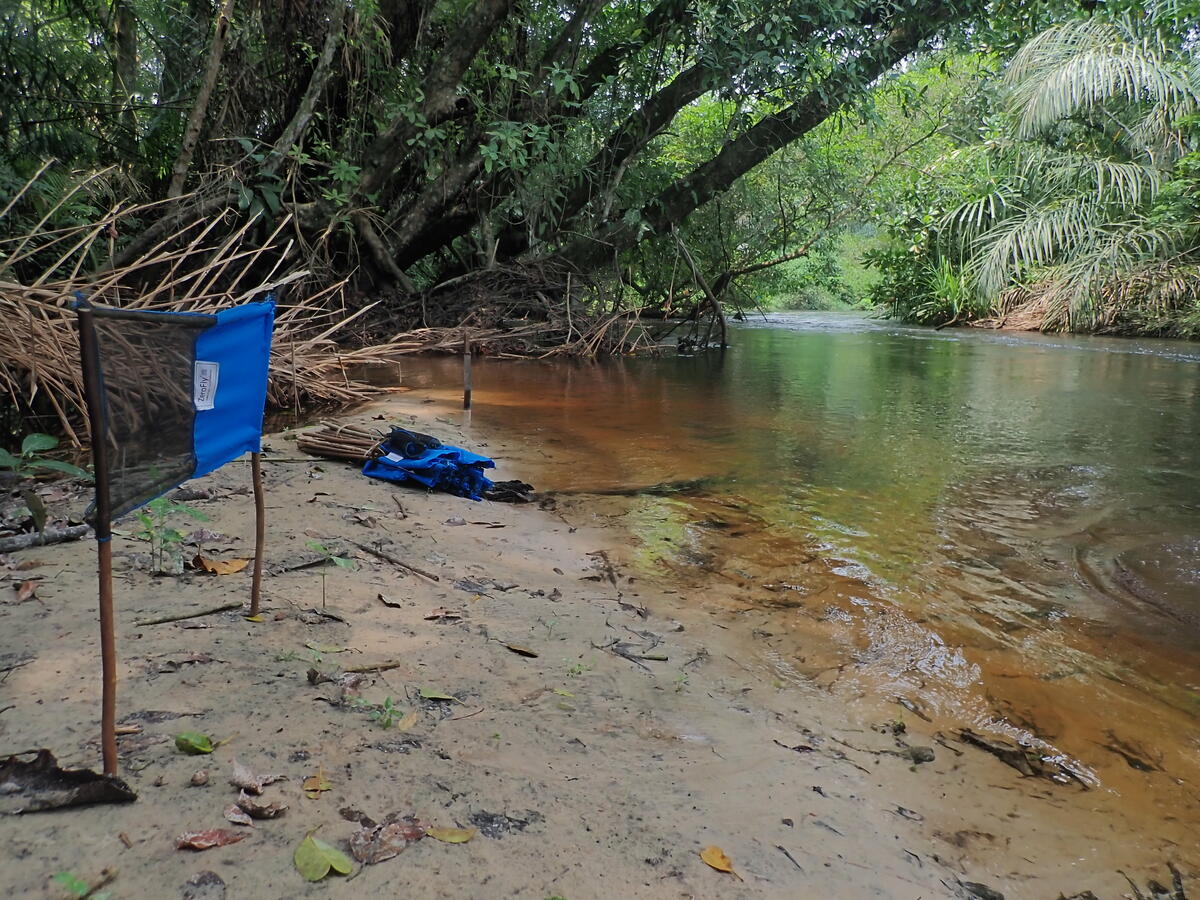
Tiny Targets
Tiny Targets is an innovative vector control initiative led by LSTM and partners to reduce the spread of sleeping sickness. The aim was to reduce tsetse fly densities below the threshold that allows transmission of the disease.
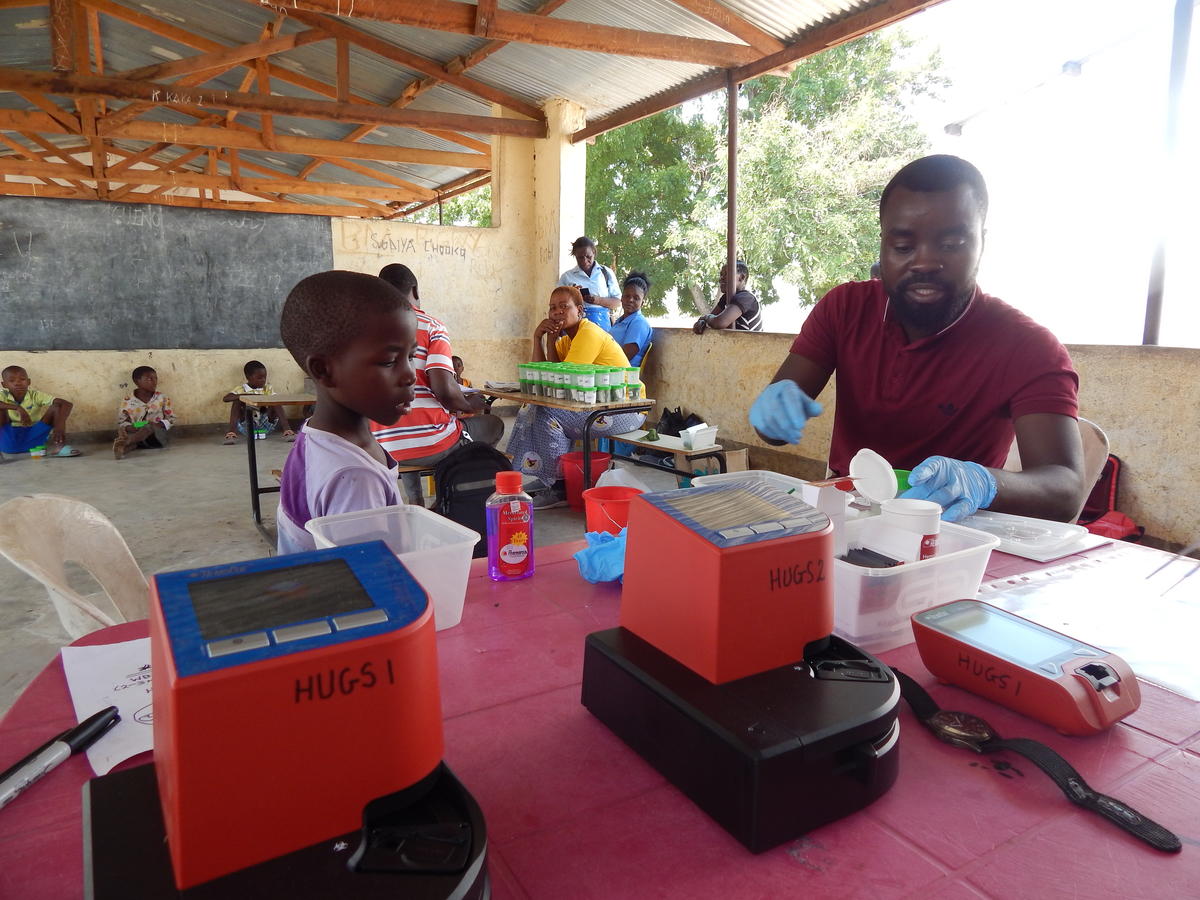
Hybridisation in UroGenital Schistosomiasis (HUGS)
The Hybridisation in UroGenital Schistosomiasis (HUGS) project is an international research collaboration focused on understanding the impact of parasite hybridisation on disease control.
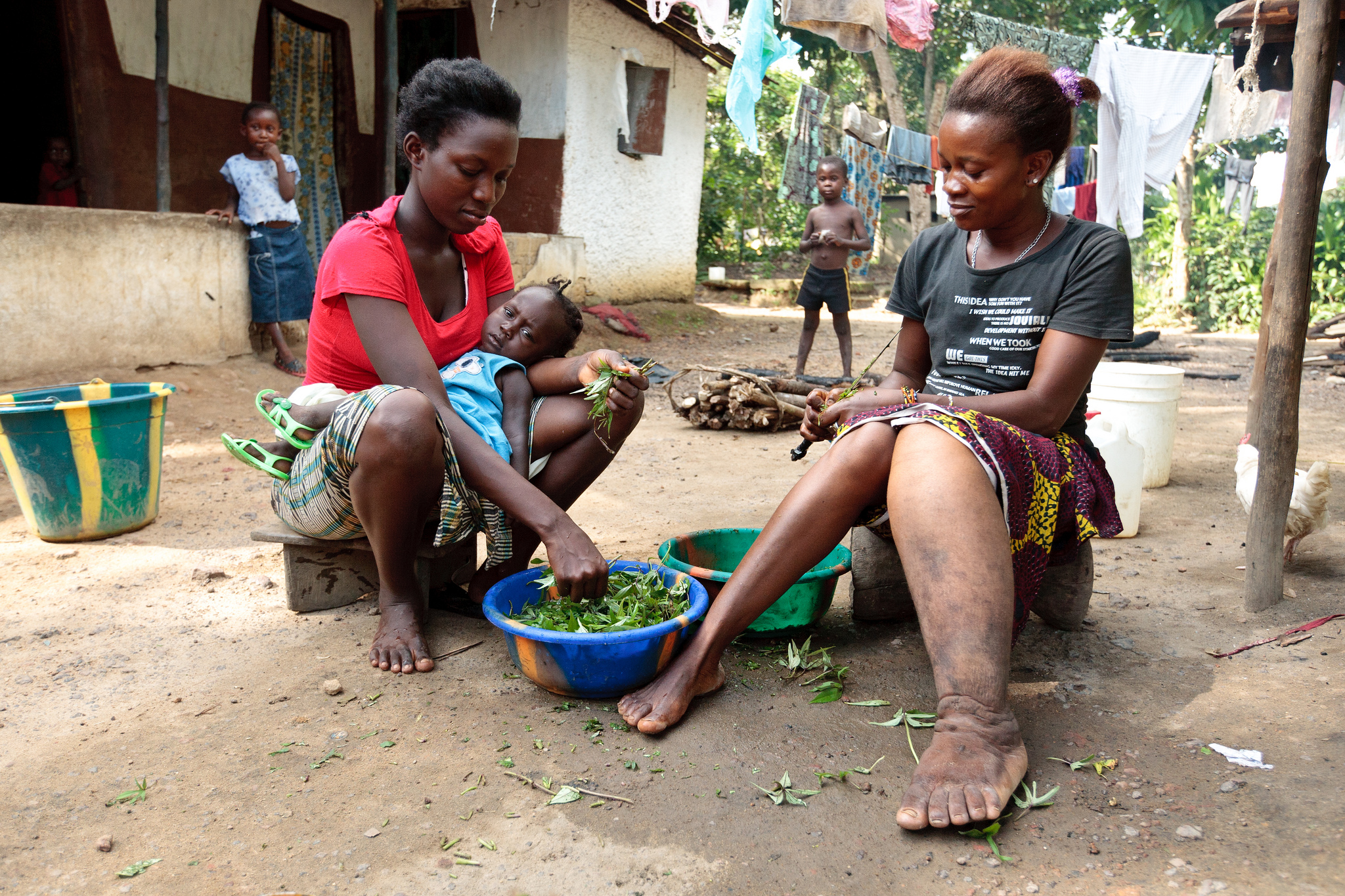
Anti-Wolbachia Consortium (A·WOL)
The Anti-Wolbachia Consortium (A·WOL), led by LSTM, is pioneering a novel approach to treating filarial diseases by targeting Wolbachia, an essential bacterial symbiont within the worms that cause onchocerciasis and mosquitoes that cause lymphatic filariasis.
Latest updates