MSc Humanitarian Studies
Humanitarian emergencies are some of the world’s most urgent and complex challenges. Conflict, natural disasters, climate change, poverty and displacement put millions of lives and livelihoods at risk every day.
Apply now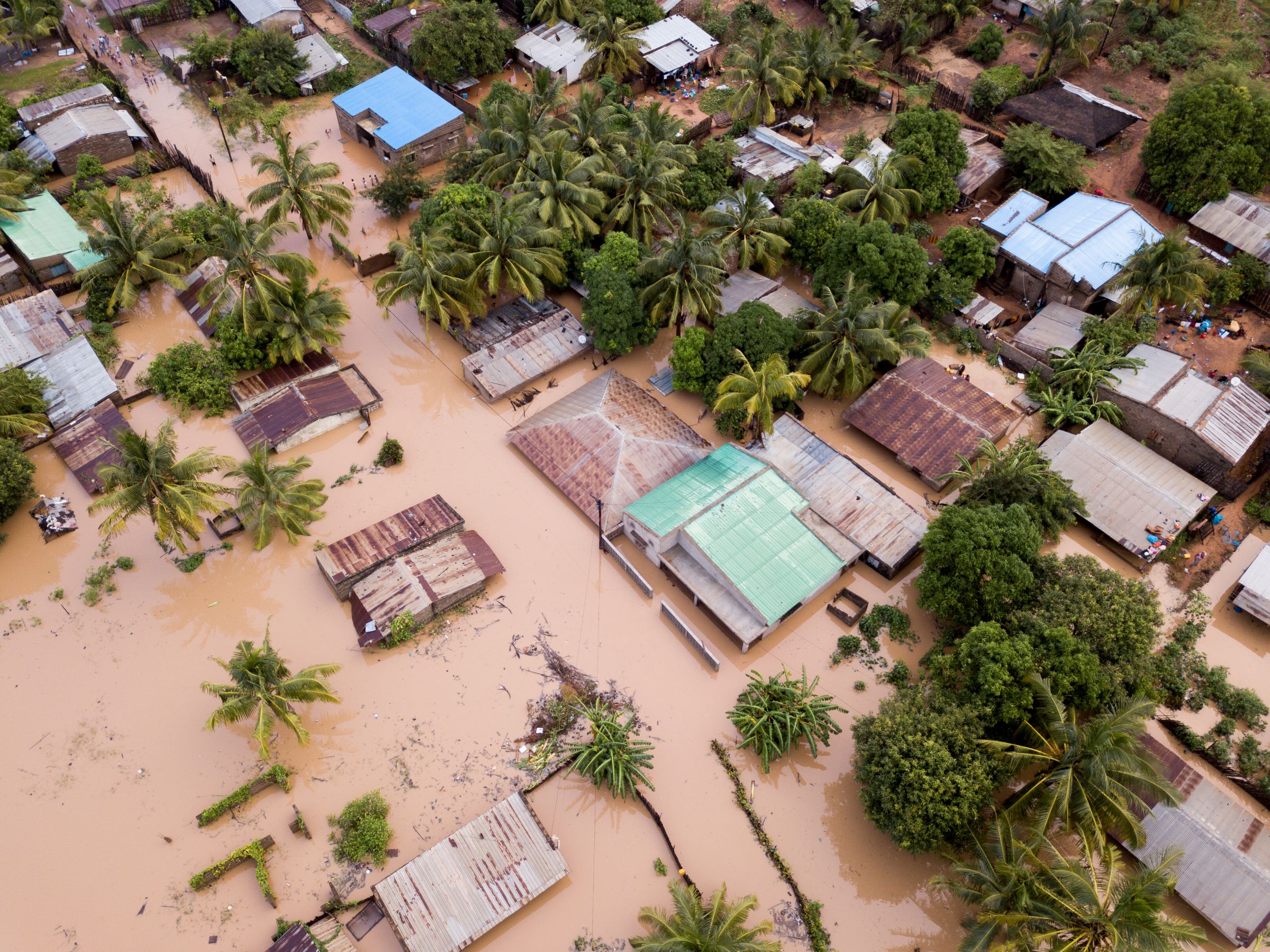
- Course type
- Master’s course
- Director of Studies
- Imri Schattner-Ornan
- Location
- Liverpool, UK
- Start date
- September 2026
- Mode of study
- Full time, on campus
- Duration
- One year
- Home fee
- £12,125
- International fee
- £24,899
Overview
Our MSc Humanitarian Studies will give you the critical insight, specialist skills and practical tools to join the global response. You’ll analyse crisis drivers, unpack the politics of aid, master relief planning and delivery, and apply your learning through real-world case studies.
Who is this course for?
Public health, medicine and nursing professionals and graduates. We also welcome intercalating medical students.
Professionals and graduates with backgrounds in political and social sciences, international development, engineering, logistics and law.
Those involved in humanitarian work, migrant health, or from the NGO sector.

“Humanitarian intervention supports communities to thrive in incredibly difficult conditions, and it saves lives. With this course, you can become part of a professional, integrated and ethical response to global humanitarian challenges, and make a real difference.”
Imri Schattner-Ornan, Director of studies
Why study Humanitarian Studies at LSTM?
Learn from global experts with field experience in humanitarian crises and disaster zones.
Collaborate with an international network of students from different professional backgrounds.
Gain practical insight through consultancy projects with NGOs or government agencies.
Explore real-world scenarios through global case studies.
Choose a research project aligned to your career goals.
“Our strong links with non-governmental organisations (NGOs) and key international bodies will help build your professional network and provide exciting options for projects, placements and future opportunities.”
What will I learn?
You’ll study a set of core modules, one optional module, and complete an extended research project.
- Scientific and Professional Skills (20 credits).
- Context and Developments in Humanitarianism (20 credits).
- Research Methods in Public Health (20 credits).
- Complex Humanitarian Emergencies and Responses (20 credits).
- The Practice of Humanitarian Relief (20 credits).
- One optional module, such as:
- Global Climate Change and Health.
- Applied Statistics.
- Developing a Disease Control Programme.
- Sexual, Reproductive, Maternal, Newborn and Adolescent Health.
- Humanitarian Health and Public Health Programmes: Research Project (60 credits).
- Research Project: Humanitarian Health and Public Health Programmes (60 credits).
You’ll be taught through lectures, seminars, group discussion and problem-solving sessions. Fieldwork and consultancy projects help bring theory to life.
Each 20-credit module involves around 200 hours of learning, including contact hours and self-directed study. You’ll also gain hands-on experience with project management tools, public engagement techniques and research software.
The programme is taught on campus in Liverpool, UK.
By the end of this course, you’ll be able to:
- Analyse humanitarian emergencies and assess their impact on health and wellbeing.
- Design and evaluate relief programmes in complex settings.
- Apply ethical principles to research, project planning and data collection.
- Demonstrate leadership, critical thinking and innovation in humanitarian contexts.
- Communicate effectively across cultures and disciplines.
You might work in:
- NGOs and international agencies focused on women’s and children’s health.
- Ministries of health, reproductive health services and education programmes.
- Research, consultancy, advocacy and community roles.
You could become a programme manager, policy officer, clinical educator, advocacy lead or researcher in global reproductive health.
Entry requirements



Fees and funding
Home fee
£12,125
International fee
£24,899

Financial support for UK students
We have scholarships, bursaries, discounts and loans available, established through generous donations from alumni, staff and friends and funding from within Liverpool School of Tropical Medicine.
Financial support for international students
We offer various scholarships for international students, particularly those from low- and middle-income countries. These include full or partial funding through programs like the LSTM Global Health Impact Scholarship and the LSTM Humanitarian Scholarship
External funding
Scholarships, fellowships and grants are available from a range of funders and organisations. Any scholarship, studentship, fellowship or grant can be used as an alternative to, or part-funding of, an LSTM scholarship.
How to apply
You can apply for a course at any time throughout the year using our online application portal, MyLSTM. You will need to register for an account the first time or if you’ve already created an account you can pick up where you left off by logging in directly to MyLSTM.
By registering for a MyLSTM account, you will be able to:
- Apply for courses at LSTM.
- Upload supporting documentation.
- Save your draft application.
- Accept an offer to study.
- Keep your account information up-to-date.
If you can’t access our online application form, please get in touch. Paper application forms are available on request.
Categories section – full title
Get study updates
Sign up for the latest on scholarships, application deadlines, events and new course launches. We’ll keep it relevant, and you can unsubscribe at any time.