Always getting bitten by mosquitoes?
- Blog
27 March 2025
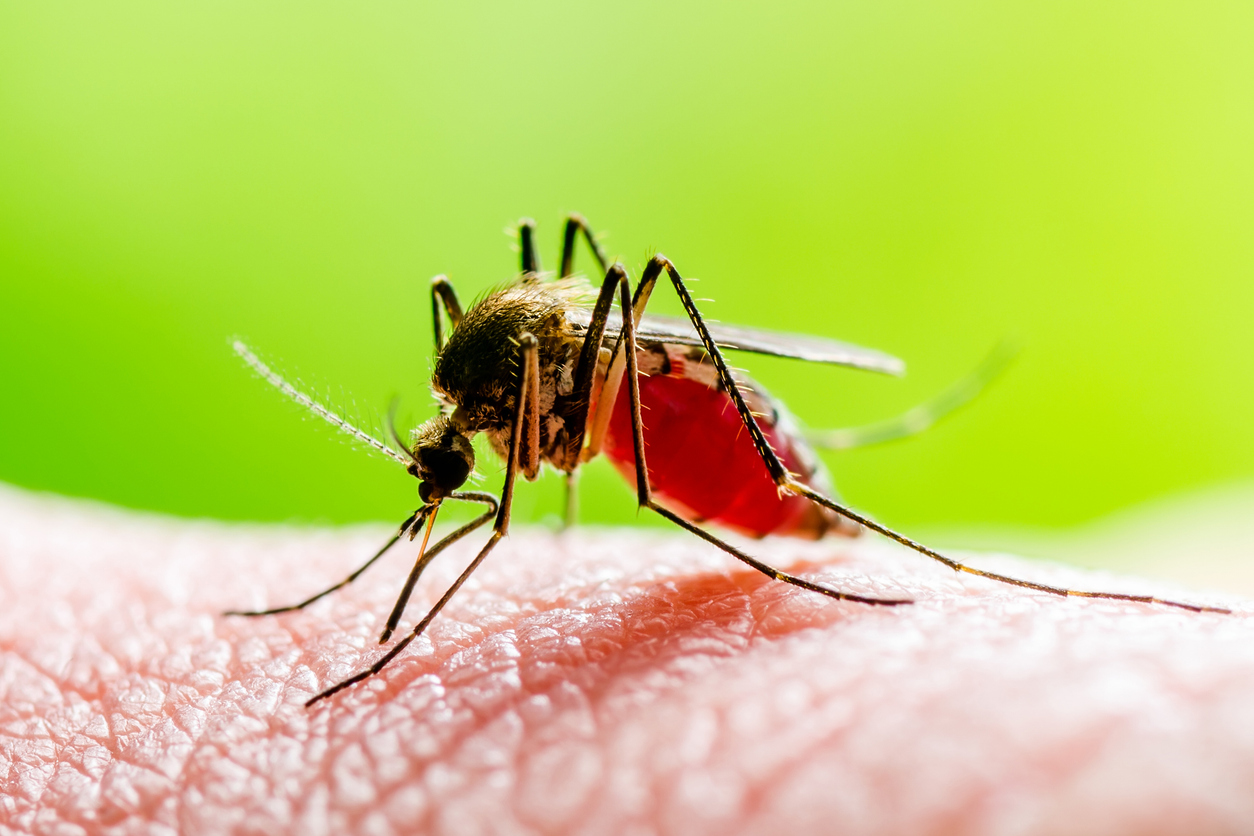
Always getting bitten by mosquitoes?
When travelling overseas, it’s important to avoid getting bitten by mosquitoes and other insects. It’s not just the annoyance of being covered in itchy bites; many serious tropical diseases are spread by insects. Some examples are Malaria, Yellow fever, Japanese encephalitis, Dengue fever, Zika, West Nile virus and Leishmaniasis. For some of the diseases, avoiding bites is the only way to prevent them as there is no vaccination or tablets against the disease.
It’s not just in the evening or night-time that you need to avoid getting bitten. Mosquitoes that carry malaria and Japanese encephalitis tend to bite from dusk till dawn, however, mosquitoes that transmit Yellow fever and Dengue fever bite during the day.
There are many types of repellent available on the market, but evidence shows that products containing DEET (N, N-diethyl-m-toluamide) are the most effective and therefore this is what is recommended by Well Travelled Clinics.
Research and extensive clinical experience suggest that DEET is a very safe product when used according to the manufacturer’s instructions. DEET has been in use as an insect repellent for more than 50 years and is reportedly used worldwide by approximately 200 million people each year.
- Apply mosquito repellent containing DEET 30- 50% to exposed skin.
- Apply this over sun cream/screen. Sunscreen SPF 30-50 is recommended as DEET can reduce the effectiveness of the sunscreen.
- DEET containing repellent of no more than 50% can be used on small areas of children’s skin but should be avoided in babies under 2 months of age.
- DEET up to 50% strength is safe to use sparingly in Pregnancy . Discuss this with a travel health advisor.
- When both sunscreen and DEET are required, DEET should be applied on top of the sunscreen. It should be noted that DEET can reduce the effectiveness of sun-block.
- DEET applications can damage some plastic watch straps, glasses and plastic jewellery; these items should not be allowed to come into contact with DEET. Repellents should not be ingested or inhaled and should not come into contact with the eyes or mouth. Repellents should be used only on areas of skin not covered with clothing.
Alternative non-DEET containing repellents with active ingredients such as Picaridin or Icaridin can be used on children and adults if preferred but may provide a shorter period of protection, we would recommend at least a 20% preparation and check the manufacturer’s information regarding how frequently to reapply.
Want to know more about protecting yourself from malaria, and other insect borne diseases for your next trip? Telephone Well Travelled Clinics on 0151 705 3223 or request an appointment at: https://www.welltravelledclinics.co.uk/request-an-appointment