Understanding travellers’ diarrhoea: Causes, symptoms and prevention
- Blog
27 May 2025
Understanding travellers’ diarrhoea: causes, symptoms and prevention
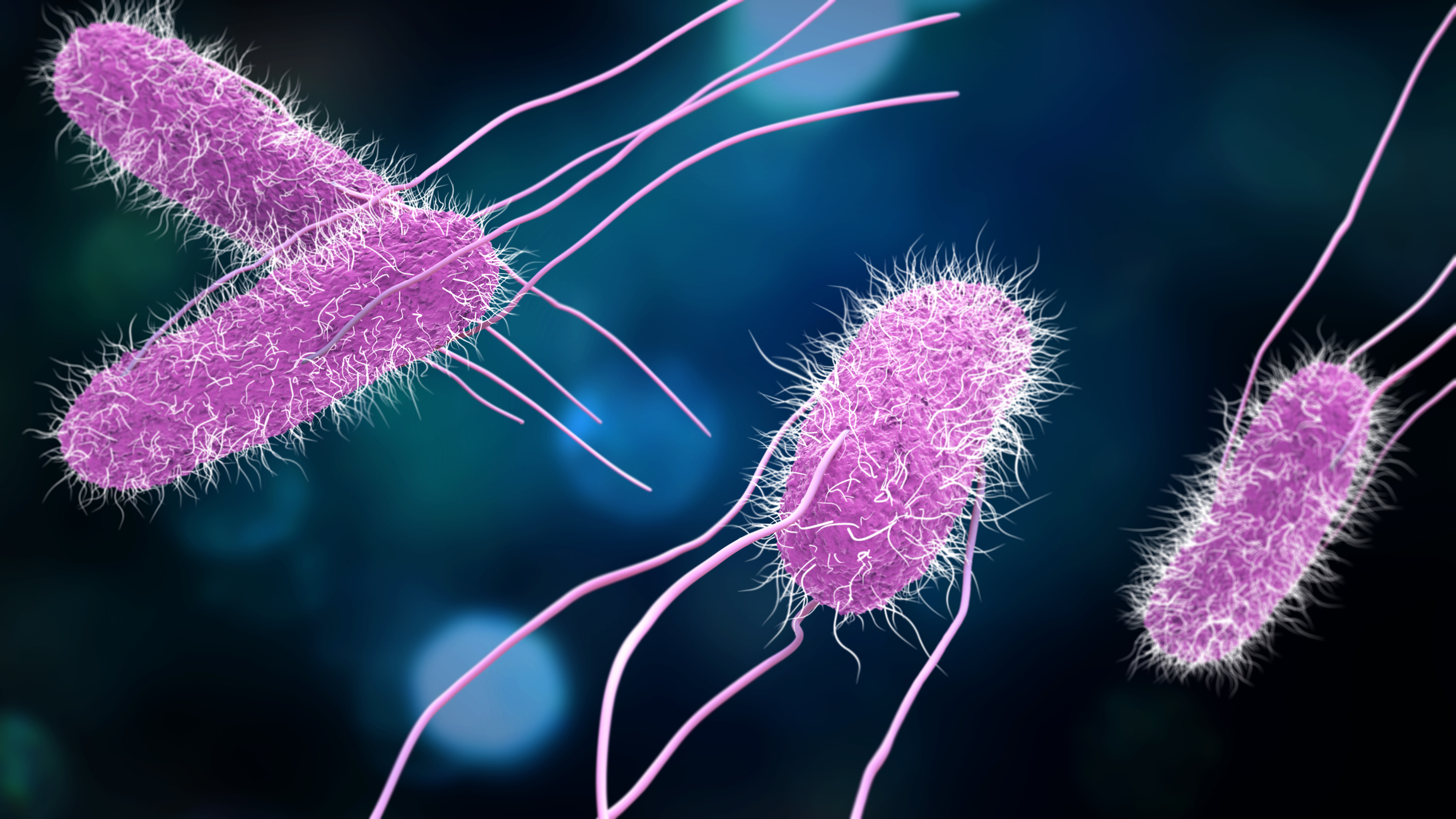
Travellers’ diarrhoea is the most common illness affecting travellers, causing illness in over 20% of travellers to high risk destinations. Although unpleasant and inconvenient, it often only lasts a few days. It is caused by viruses, bacteria and/or protozoa spread through contaminated food and water (bacteria are the most common cause). In up to 40 percent of cases, the cause of infection is not identified.
Travelling “rough” and being more adventurous with eating habits may increase the risk. The standard of hygiene in cafes, restaurants and bars may also contribute to diarrhoea risk. The very young, the elderly and those with pre-existing illnesses and those that are immunocompromised can become seriously unwell if the diarrhoea is not treated promptly and may require more than simple rehydration as treatment.
Most episodes of TD are mild and self-limiting. It is important to prevent dehydration, particularly in babies, young children, older travellers, pregnant women, and those with pre-existing health conditions. Travellers should stay well hydrated by continuing to eat and drink as normal. Breastfeeding should be continued for babies, and children should continue to receive their usual diet.
Food and Water precautions
Water:
- Boil water or use bottled water (ideally fizzy and check seal intact). Beware of fake bottled water
- Chemical disinfectants may be used; remember water may need filtering. Filtration bottles or straws are available. Seek advice on how to use these products
- Clean teeth with boiled, bottled or treated water
- Avoid swallowing water in the bath or shower or while swimming
- Hot drinks, bottled and canned drinks are generally safe.
- Avoid ice cubes in drinks, as they are likely to be made from local water supplies.
Food:
- Wash hands before eating or handling foods
- Eat freshly cooked hot (in temperature) food
- Peel fruit and vegetables and wash in bottled or treated water
- Avoid reheated or food that has been left standing
- Food bought from street vendors can be risky
- High risk foods should be avoided which include shellfish, salads, mayonnaise, and other dishes containing uncooked egg.
- Avoid unpasteurised products such as milk, cheese, and ice cream.
Want to know more about protecting yourself from Travellers’ Diarrhoea on your next trip? Telephone Well Travelled Clinics on 0151 705 3223 or request an appointment at: https://www.welltravelledclinics.co.uk/request-an-appointment