African Snakebite Alliance: Bridging science, policy, and community to combat snakebite envenoming
2023 – present
The challenge
Snakebite envenoming causes an estimated 140,000 deaths each year and leaves over 400,000 survivors with permanent disabilities. The burden is highest in rural, low-income communities in sub-Saharan Africa, where they are far from timely care or effective treatment.
Preventable deaths persist, and progress is held back by scientific, logistical, and systemic barriers. The World Health Organization aims to halve snakebite deaths and disabilities by 2030, but achieving this requires coordinated efforts across research, policy, and community engagement.
About the project
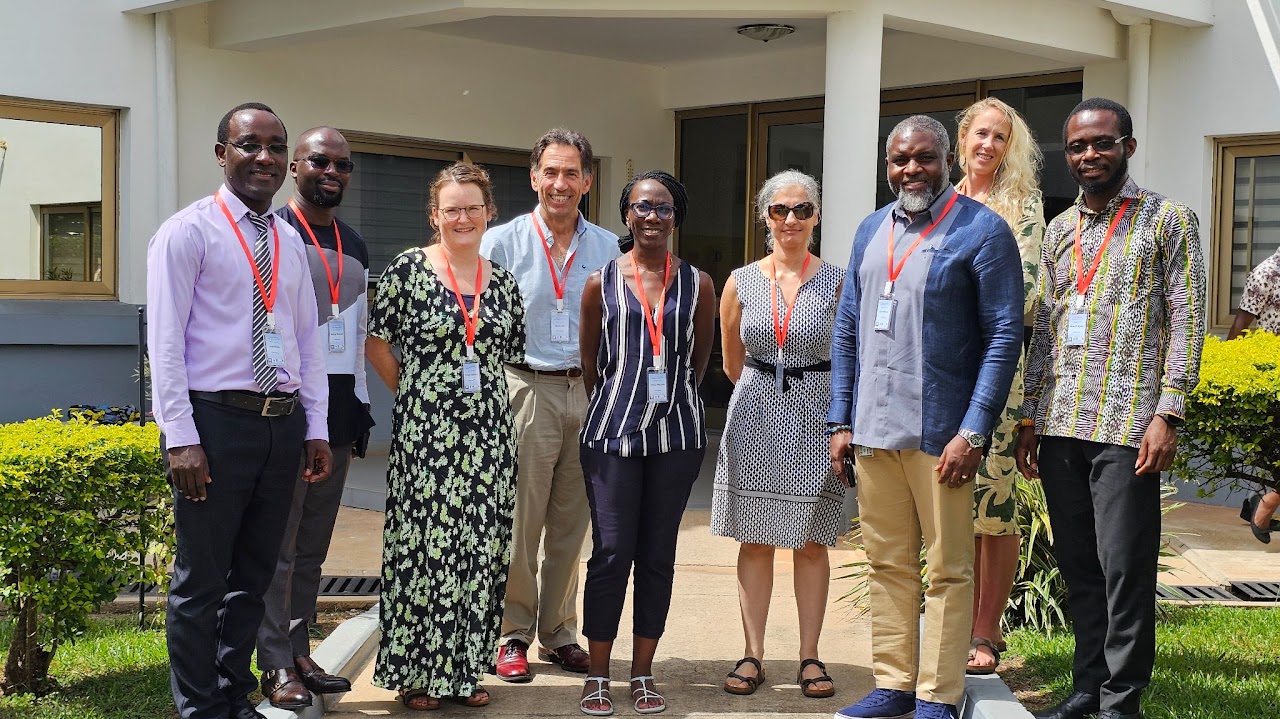
The African Snakebite Alliance (ASA) is a collaborative initiative led by the Centre for Snakebite Research and Interventions (CSRI) at LSTM. ASA brings together experts from Ghana, Rwanda, Kenya, Eswatini, and the United Kingdom.
Launched internationally in 2024, the Alliance aims to enhance health outcomes for snakebite victims by addressing evidence gaps in policy and practice, promoting high-quality research, and developing sustainable research capacity across Africa.
Our strategies and approaches
Multidisciplinary research
ASA conducts multidisciplinary research to understand the burden of snakebite envenoming, identify hotspots through community-based risk mapping, and assess long-term consequences, including social and economic impacts.
Capacity building in evidence generation and health systems
ASA focuses on developing and supporting sustainable, cross-disciplinary research capacity in Africa, ensuring that local scientists and institutions are equipped to continue this vital work.
Evidence to policy
By developing systems to support national and regional bodies, ASA ensures that research evidence informs decision-making in policy and practice, leading to more effective interventions.
Key findings and impact
Enhanced collaboration
ASA is connecting international scientists, policymakers, and community groups to foster a coordinated approach to tackling snakebite envenoming.
Informed policy
The alliance’s research has begun to influence health policies, ensuring that interventions are evidence-based and tailored to the needs of affected communities.