Climate, Environment and Health Working Group (CEH-WG)
Climate, Environment and Health Working Group (CEH-WG)
2025 – present

The challenge
Climate change and environmental degradation are increasingly driving public health challenges globally, particularly among vulnerable populations.
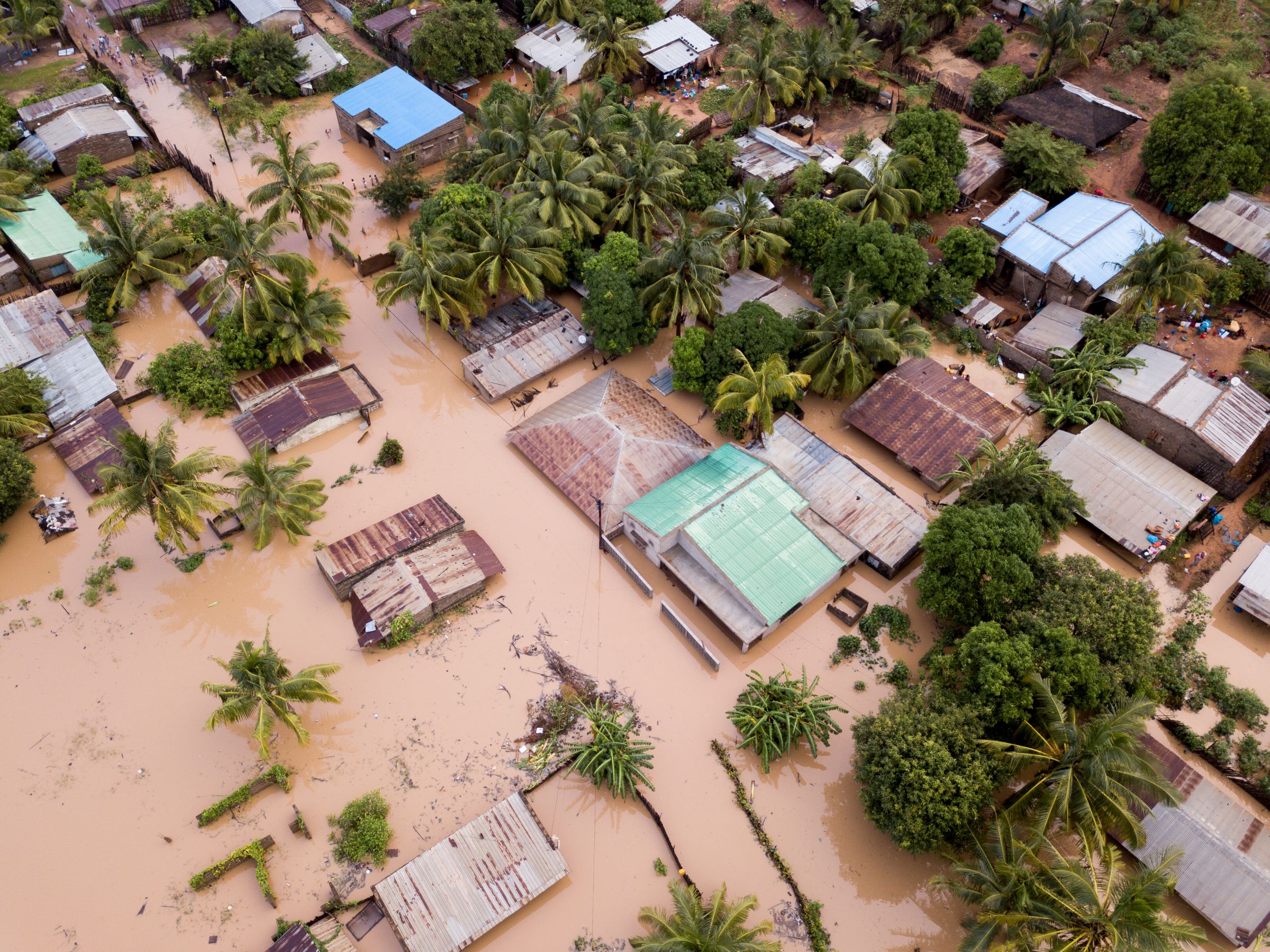
Extreme weather events, increasing ambient temperatures, and air and water pollution are exacerbating disease burdens and straining health systems through direct and indirect effects.
Addressing these complex and interlinked risks requires coordinated, interdisciplinary collaboration across research, policy, and education.
While LSTM has recognised expertise in climate and health, there is a strategic need to consolidate and direct efforts to build capacity and visibility in this field.
The CEH Working Group aims to bridge strategic gaps, frame key questions, and support the development of robust strategies to address the adverse health impacts of an unstable environment.
About the working group
The CEH-WG brings together experts from across departments and global hubs to foster interdisciplinary collaboration on how environmental and climate change affect human health.
Its purpose is to consolidate LSTM’s expertise by identifying strategic gaps, framing priority research questions, forging partnerships and funding opportunities, and inform capacity strengthening needs to advance robust initiatives.
The group’s scope is to understand how direct and indirect effects of environmental changes affect vector- and water-borne diseases, non-communicable diseases, heat-related illness and mental and psychosocial health challenges.
Operating with a truly global remit, the CEH-WG prioritises equity for vulnerable populations, particularly in low- and middle-income countries, and integrates modelling, surveillance, policy research, and sustainable adaptation-mitigation interventions to drive evidence-based action on climate health.
Our strategies and approaches
Assessing system-level vulnerabilities
We evaluate the readiness and needs of health systems and facilities in the face of environmental change, focusing on health workforce capacity, organisational capacity development, and risk communication strategies.
Designing integrated solutions
We co-develop and test interventions that address both climate adaptation and mitigation across individual, household, community, facility, and policy levels, ensuring solutions are context-specific, sustainable, and equitable.
Understanding health impact pathways
We study the mechanisms through which climate and environmental exposures affect health outcomes, both directly and through social and ecological systems.
Using data science for risk monitoring
We apply advanced data science, including prediction and attribution modeling, to improve understanding of climate-health linkages and strengthen real-time risk monitoring systems.