Lab-Grown Venom Gland Organoids
Lab-Grown Venom Gland Organoids
The challenge
Snakebite envenoming causes an estimated 140,000 deaths each year and leaves over 400,000 survivors with permanent disabilities. The burden is highest in rural, low-income communities in sub-Saharan Africa, South and Southeast Asia, and South and Central America, where they are far from timely care or effective treatment.
Antivenoms are often unavailable or ineffective against the venoms of local snake species. Traditional antivenom production methods involve ‘milking’ venom from live snakes, a process that is labour-intensive, risky, and yields limited quantities of venom.
About the project
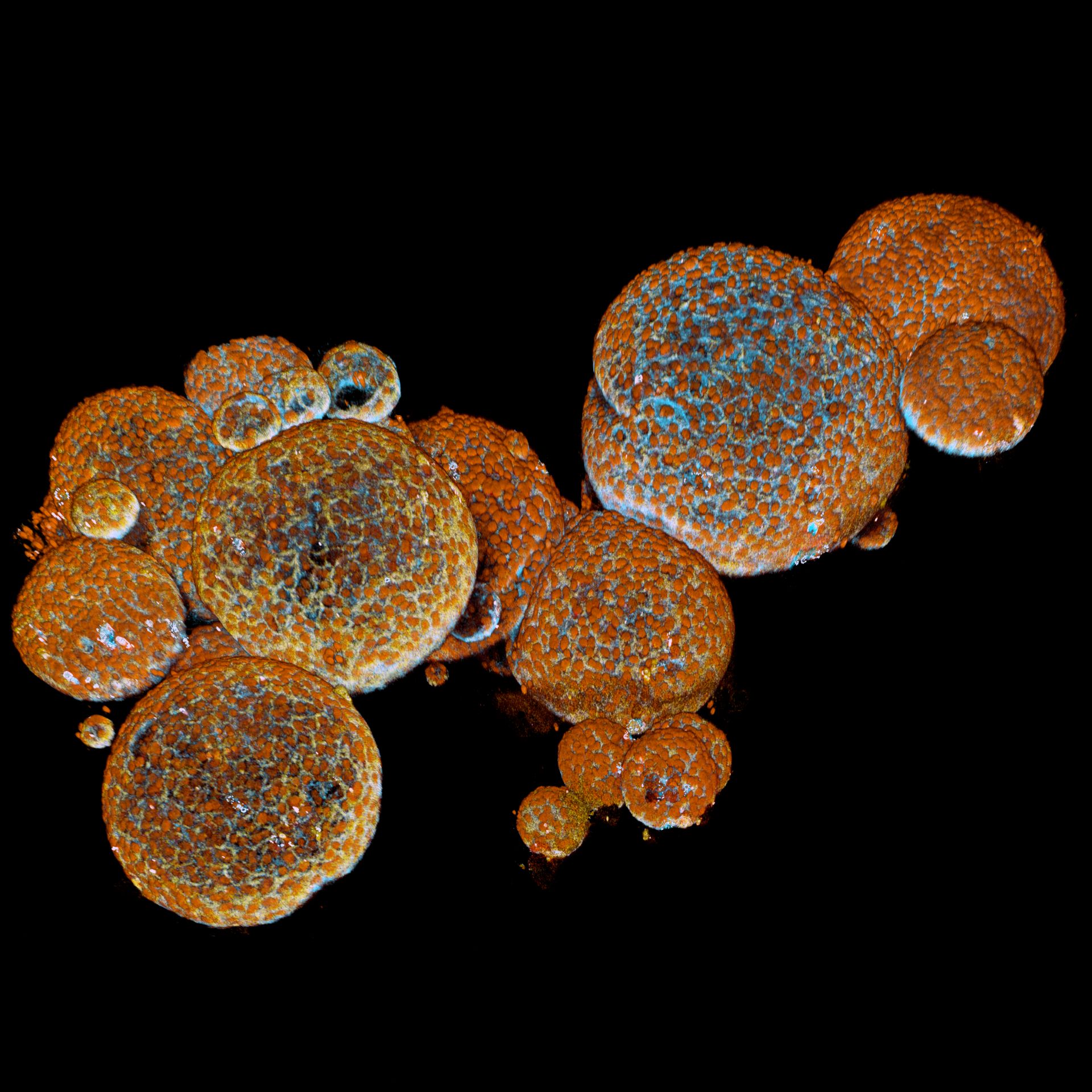
The Centre for Snakebite Research and Interventions (CSRI) at LSTM has pioneered the development of snake venom gland organoids, miniature, lab-grown versions of snake venom glands derived from stem cells. These organoids produce and secrete active toxins found in snake venom, offering a sustainable and scalable alternative to venom production.
Our strategies and approaches
Stem cell organoid technology
We culture snake stem cells using R-spondin-based organoid technology to grow structures that resemble snake venom glands. We adjust culture temperatures to mimic the conditions inside a cold-blooded snake, encouraging cell growth, and conduct single-cell RNA sequencing to confirm that our lab-grown venom gland organoids express toxin genes similar to those of native venom glands.
Toxin-specific antivenoms
Cobras, mambas, and vipers produce distinct toxins with varying effects. We are building a library of organoids from various snake species to capture a broad spectrum of venom profiles. By studying the venom of different snake species at the molecular level, we can identify which toxins cause the most harm during a bite and which ones are common across many types of venom.
Key findings and impact
Functional venom production
Our lab-grown venom organoids produce toxins that behave like those found in the venoms of live snakes, which means they can trigger the same effects on blood, nerves, or cells.
Sustainable antivenom development
Venom is traditionally collected by ‘milking’ snakes in high-risk settings. Our organoids provide a clean, controlled, and cruelty-free alternative, eliminating the need for the handling of live snakes. This also ensures a more reliable supply of venom for antivenom manufacturers.
Affordable and accessible treatment
Conventional antivenom production is expensive and complex, which limits its availability in the regions that need it most. By making venom production more scalable and consistent, our work could drive down costs and make effective antivenom treatments more accessible, especially in rural African and Asian communities most affected by snakebite envenoming.