REACT Consortium: Strengthening health workforce capacity to withstand climate and health crises
REACT Consortium: Strengthening health workforce capacity to withstand climate and health crises
2025-2028
The challenge
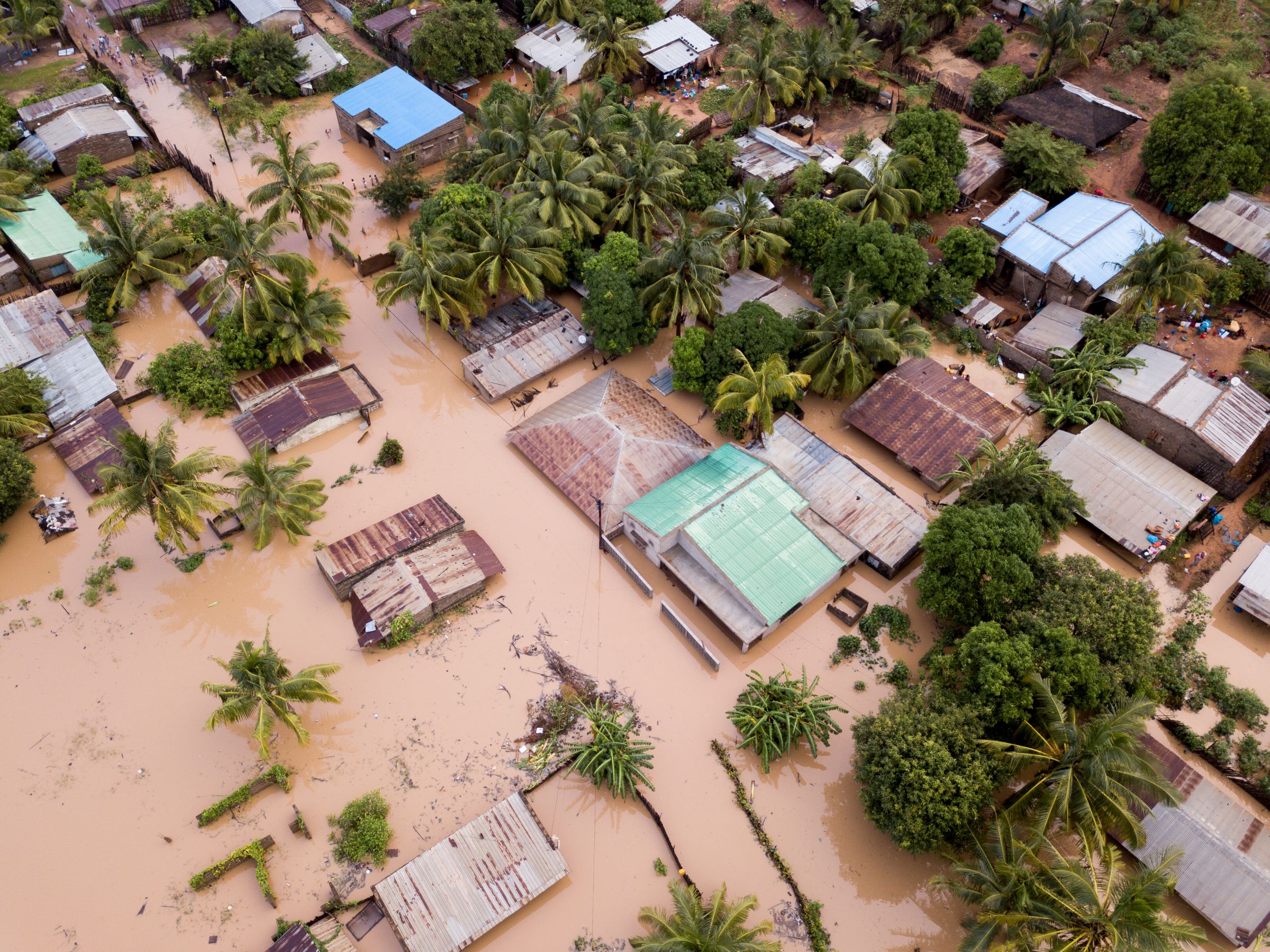
The climate crisis is the biggest threat to human health. Extreme weather events are increasing instances of malnutrition, respiratory illnesses, maternal and newborn complications, heat-related deaths, and disease, and the situation will worsen.
The crisis is also impacting on people’s ability to access health care and health systems’ ability to provide services. We need health systems that can withstand climate shocks and stresses. The health workforce is an important part of that response, being well-positioned to talk to people about the climate crisis, to act to protect health and to respond to health needs. However, health workers do not have enough knowledge about climate crisis and its impact on health.
About the project
The REACT (Resilient and Equitable Health Workforce to Address Climate Threats) Consortium is working to strengthen the responsiveness of the health workforce against health impacts of climate crisis in Nepal and Zimbabwe. We aim to ensure that health workers have the knowledge, skills and support to respond to the climate crisis. By co-creating context-specific, gender-equitable research and intervention protocols with relevant stakeholders, we will improve the preparedness and capacity of health systems to respond to the impacts of climate change.
Our strategies and approaches
Formative research
We are conducting scoping reviews, policy analyses, qualitative studies, and surveys to establish baseline knowledge and practices on the climate crisis and health workforce responsiveness.
Co-creation of interventions
We are collaborating with stakeholders to develop context-sensitive and gender-equitable interventions aimed at enhancing health workforce and community resilience to climate-related health impacts.
Pilot implementation and evaluation
We will implement the co-created interventions in selected rural and urban sites and evaluate them for equity, feasibility, effectiveness, cost, sustainability, and scalability.
Capacity building
Training and support will be provided to researchers, health workers, and partner organisations, strengthening their ability to respond to climate-induced health challenges.
Knowledge dissemination
Promoting the understanding and uptake of evidence among health stakeholders in Nepal, Zimbabwe and further afield will inform policy and practice, enhancing the resilience of health systems to climate-related shocks and stressors.
Key findings and impact
As the project is in its initial phases, key findings and impact will be shared on completion of formative research and pilot interventions. The consortium is committed to sharing outcomes to inform broader health system strengthening efforts in the context of climate change.
Our partners
This four-year research initiative is a collaboration between LSTM, HERD International in Nepal and the Centre for Sexual Health, HIV, and AIDS Research (CeSHHAR) in Zimbabwe. Our interventions are being conducted in:
- Ghorahi Sub-Metropolitan City, Nepal
- Chandannath Municipality, Nepal
- Mount Darwin District, Zimbabwe
- Harare Local Authority, Zimbabwe
We are funded by the UK’s National Institute for Health and Care Research (NIHR).