Centre for Capacity Research
Building research skills and systems that create lasting change
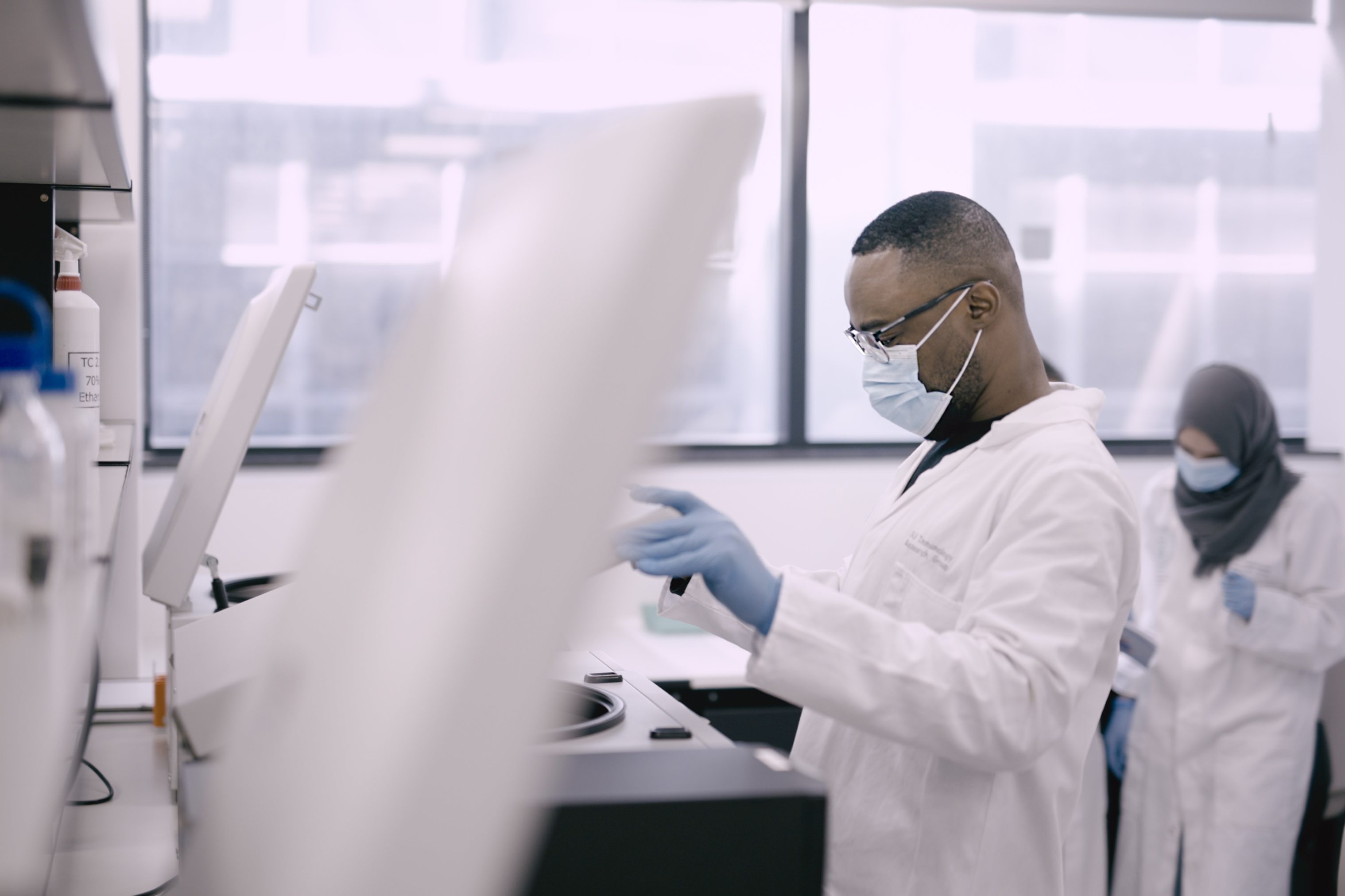
The Centre for Capacity Research at LSTM specialises in the science of research capacity strengthening.
We support individuals, institutions, and communities in the majority world to develop the capacity to conduct high-quality research that addresses local health challenges and drives lasting change.
Our work creates sustainable research ecosystems where evidence-informed solutions emerge from within the communities themselves.
Research capacity in the majority world often faces significant barriers, including limited funding, inadequate infrastructure, brain drain, and insufficient institutional support. These challenges perpetuate global health inequities and limit the development of locally relevant, sustainable solutions to pressing health problems.
Effective capacity strengthening is essential for achieving sustainable development goals and ensuring that research systems can address local health priorities. By building research capacity in-country, we create the foundation for evidence-based decision-making, innovative solutions, and long-term health system improvements that are owned and led by local communities and institutions.
Our research focus and approaches
We advance the theoretical understanding of capacity strengthening
Our theory-focused research develops and refines conceptual frameworks that underpin effective capacity strengthening interventions. We explore the complex dynamics of individual, institutional, and systemic change, creating evidence-based models that guide best practices in research capacity development across diverse contexts.
We support implementation through embedded ‘learning’ research
Through our process-focused research, we work alongside capacity strengthening programmes to enhance their success in real-time. By embedding learning and evaluation within implementation, we identify good practices, address challenges as they arise, and generate actionable insights that improve current initiatives while informing future capacity strengthening efforts.
We apply our proven five-step approach to capacity strengthening
CCR has developed a systematic 5-step methodology that has been widely implemented across multiple programme types: (1) Define clear goals with stakeholders, (2) Describe the optimal capacity needed through evidence review, (3) Determine existing capacity gaps through data collection, (4) Devise and implement targeted action plans, and (5) Regular monitoring and adaptive learning. This practical approach ensures interventions address real priorities and achieve sustainable impact.
Our team
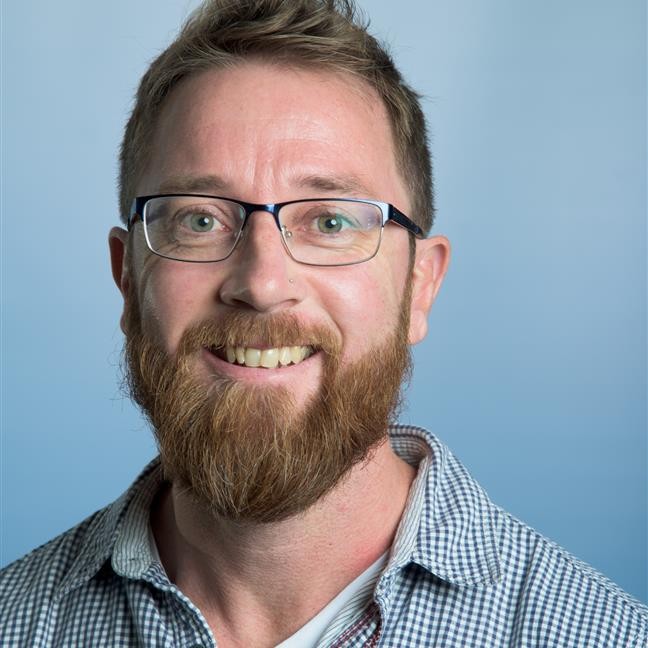
Dr Justin Pulford
Justin Pulford is a Reader in International Public Health and deputy head of the Centre for Capacity Research at Liverpool School of Tropical Medicine. He specialises in research systems strengthening with a particular interest in the overlap between national health and research systems.
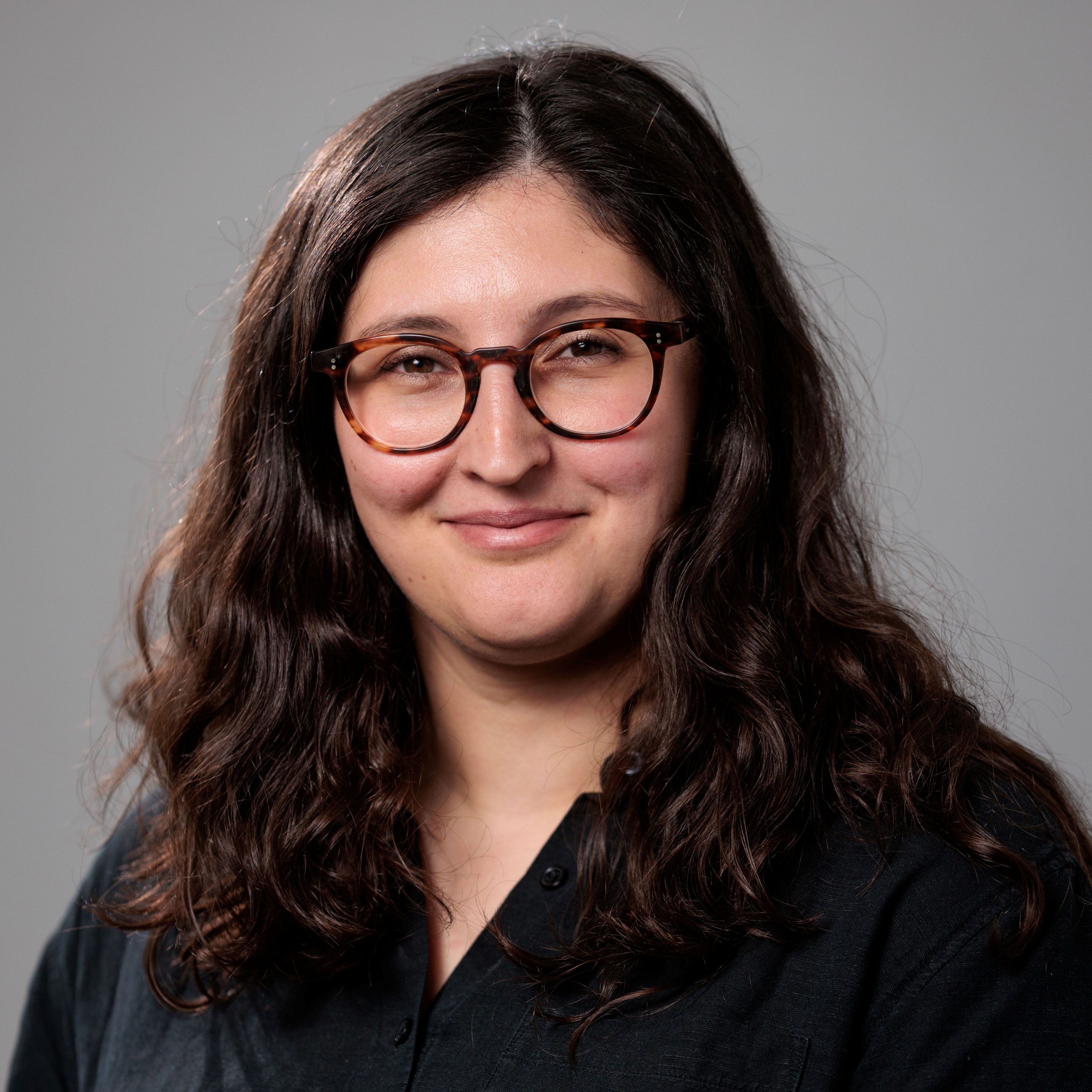
Dr Zara Babakordi
Zara completed a PhD in Human Geography from Newcastle University in 2024. Prior to joining LSTM, Zara spent several years as a medical writer, supporting market access activities in multiple markets and in several disease areas.
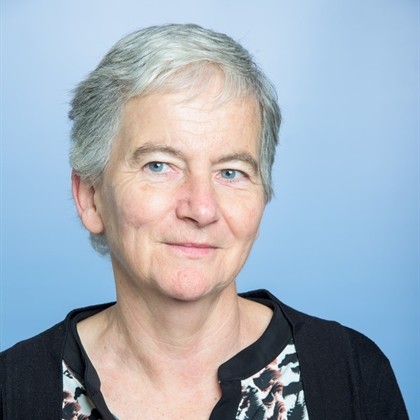
Professor Imelda Bates
Imelda Bates is a clinical haematologist and Head of the Centre. Imelda is committed to collaborative working by creating trusting and fruitful partnerships, and to mentoring and supporting colleagues and students at all career stages.
Our impact
We have generated evidence that transforms capacity strengthening practice
CCR is at the forefront of understanding what works in building research capacity. Our projects span laboratory strengthening, institutional development, and individual skill-building across diverse settings. We focus on research that solves real problems and can be immediately applied to improve how capacity strengthening is done in practice.
We foster a global community of capacity strengthening practitioners
CCR has established a vibrant, international network of researchers, practitioners, institutions, government agencies, and local organisations committed to advancing capacity strengthening science. Our community emphasises equitable participation from the majority world to ensure that those directly involved in capacity building have a strong voice in shaping solutions and driving the field forward.
We share learning and advocate for evidence-informed practice
Through publications, conferences, podcasts, and policy engagement, we actively disseminate our findings to influence how capacity strengthening is conceived, funded, and implemented globally. Our advocacy efforts promote the adoption of evidence-based approaches and highlight the critical importance of investing in sustainable research capacity development.
Selected projects
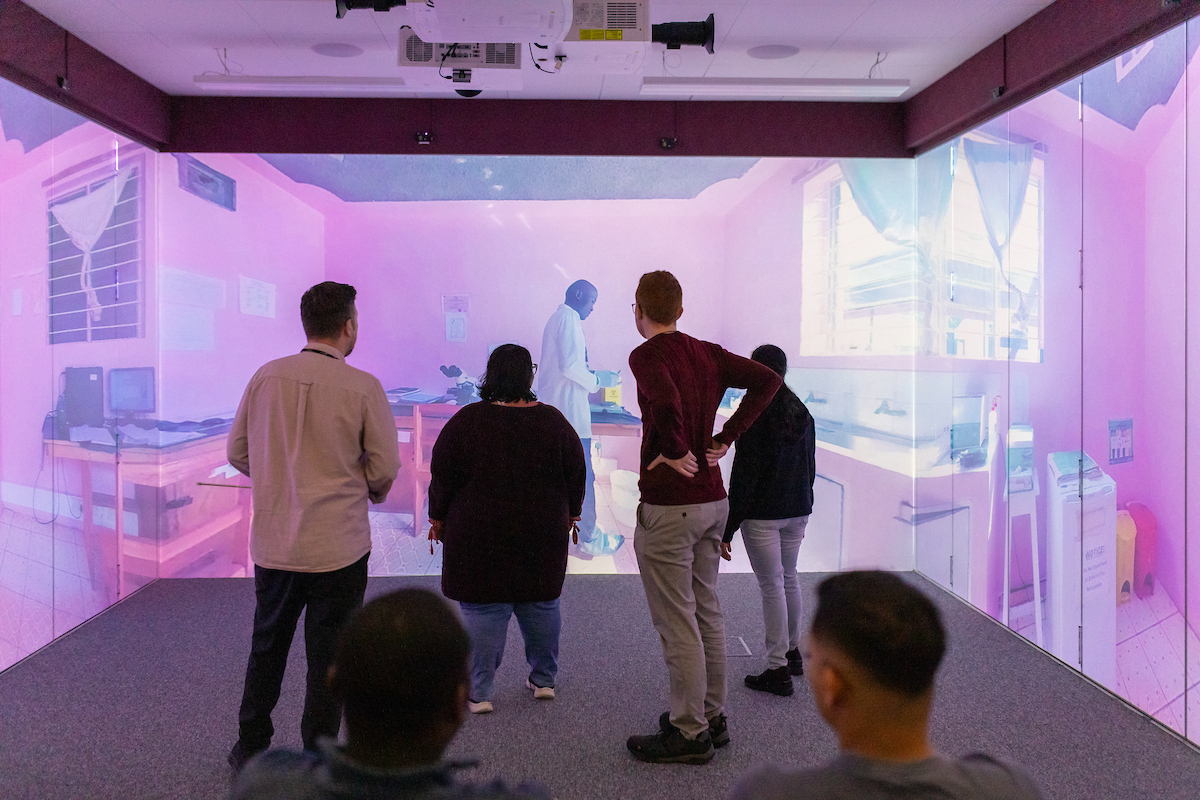
Effective research capacity strengthening: a quick guide for Funders
Approaches to research capacity strengthening (RCS) that support the sustainable local ownership, and the wider sharing of learning and knowledge, are essential to the future of research as well as for nations and communities to find solutions to the many challenges facing the world.
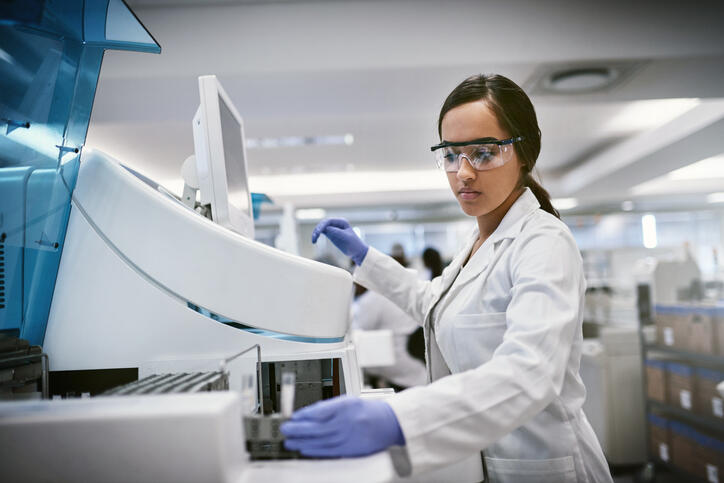
Effective research capacity strengthening: a quick guide for Researchers
This Quick Guide is an attempt by the authors and a group of international advisors and reviewers from different research disciplines to consolidate and share the current evidence on best practice in Research Capacity Strengthening
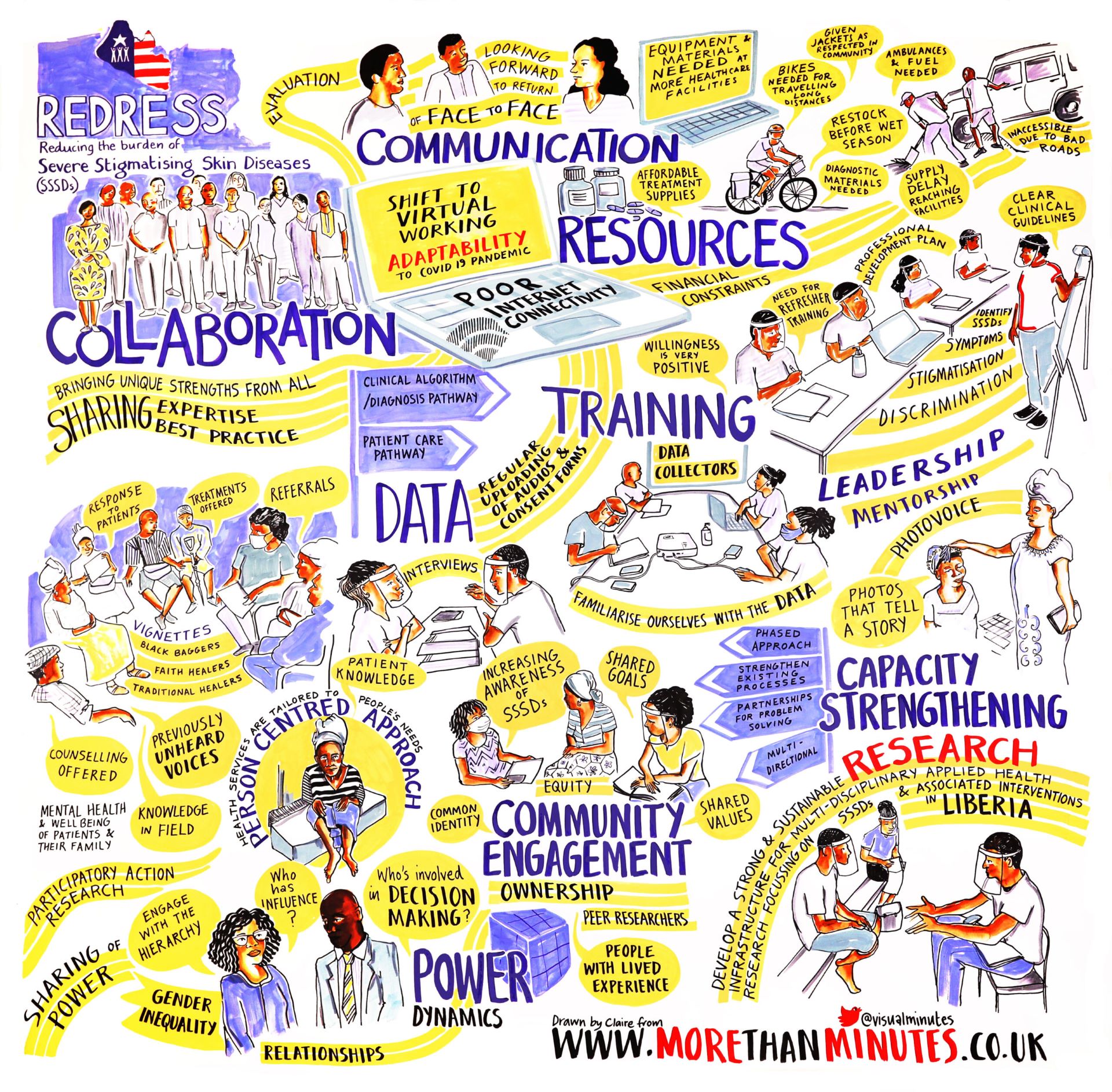
REDRESS
Strengthens the capacity of researchers and institutions in low- and middle-income countries to lead and shape their own research agendas.
Related news
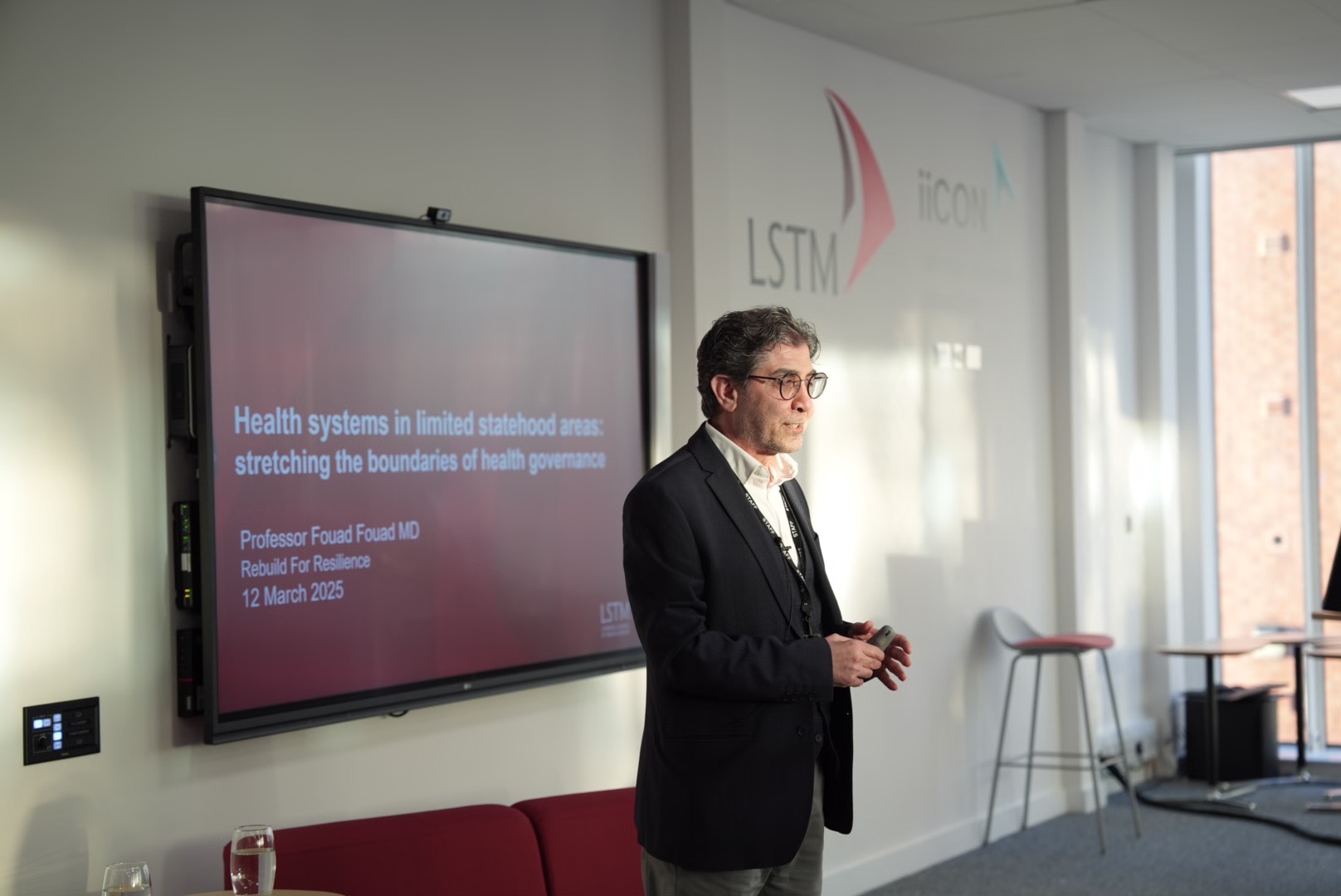
Inaugural Lecture – Professor Fouad Fouad
45:37