Centre for Snakebite Research & Interventions
Leading groundbreaking research on venom biology and snakebite
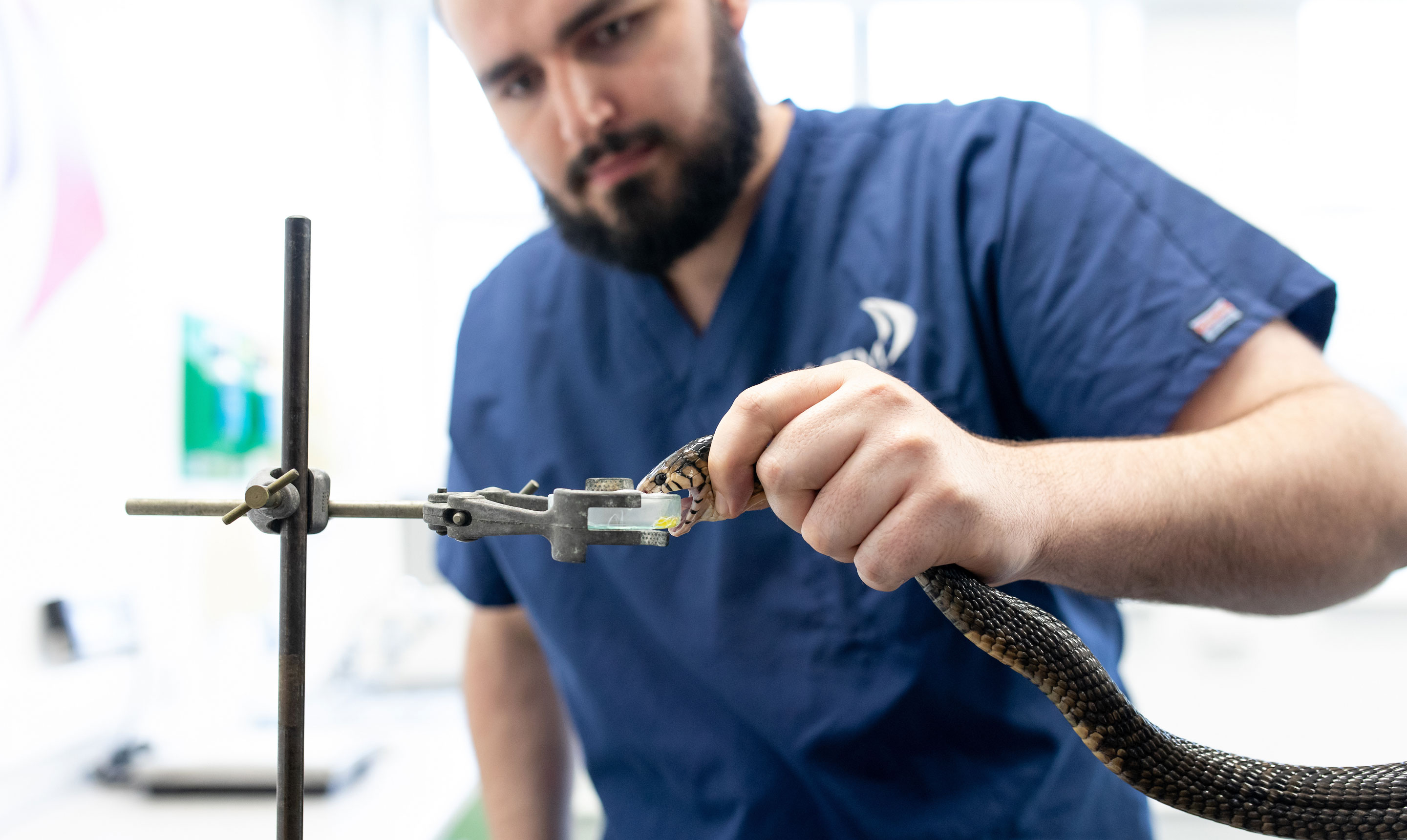
We develop and deliver effective interventions that improve the lives and livelihoods of snakebite patients.
Our work advances scientific understanding, delivers practical solutions, and strengthens global partnerships to improve the lives of affected communities.
Snakebite is a neglected tropical disease (NTD) that claims upwards of 140,000 lives every year and leaves 400,000 survivors with permanent disabilities or disfigurements.
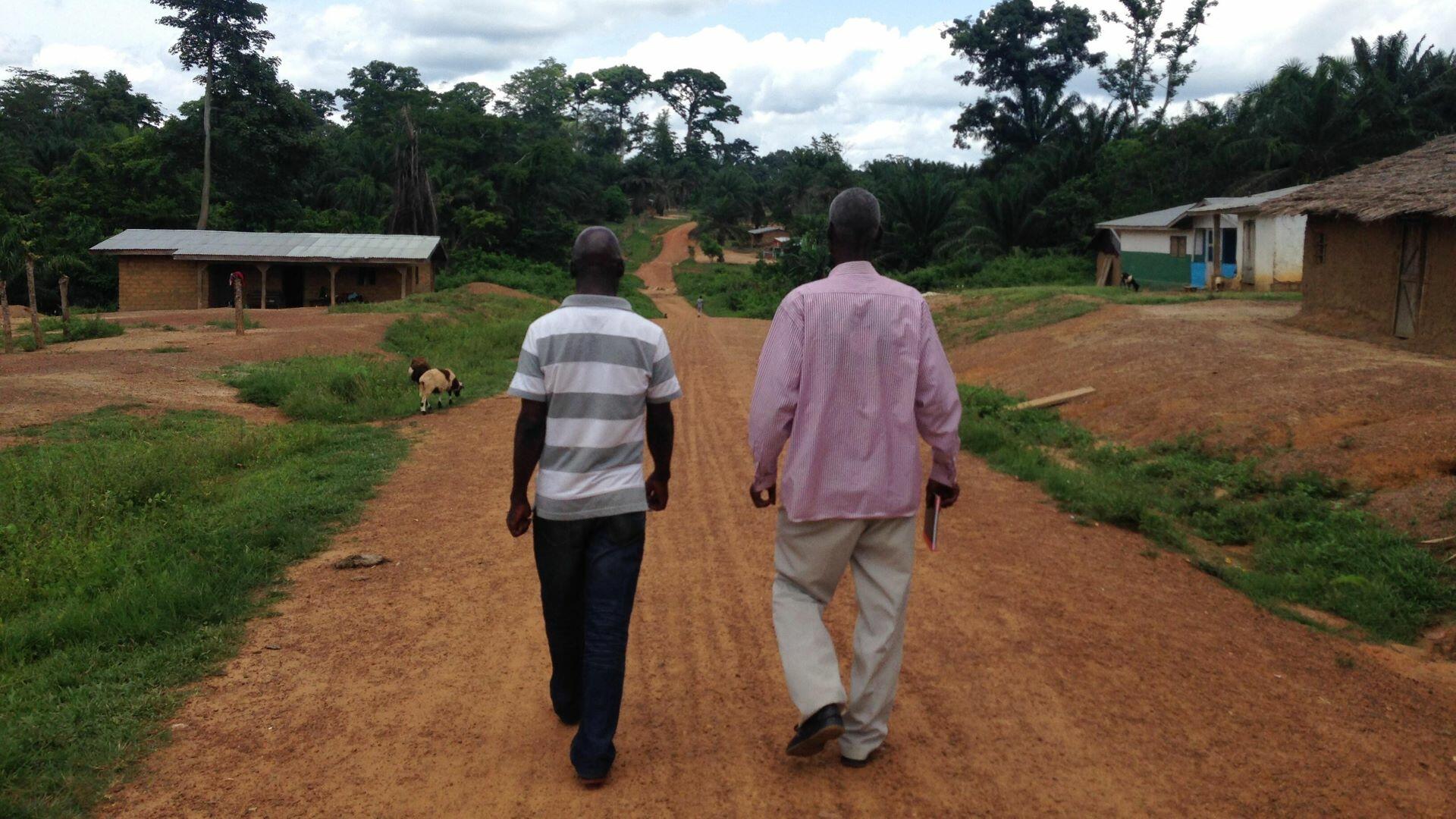
Those most affected live in rural communities in regions with underfunded health systems, particularly in sub-Saharan Africa, South and Southeast Asia, and South and Central America, where access to timely treatment and effective antivenoms remains scarce.
Our research focus and approaches
We are at the forefront of venom research
At CSRI, we explore the evolution, variation, and biochemical activity of snake venom to develop targeted, lifesaving snakebite therapies. We also examine venom systems in other animals to uncover insights applicable to snakebite research.
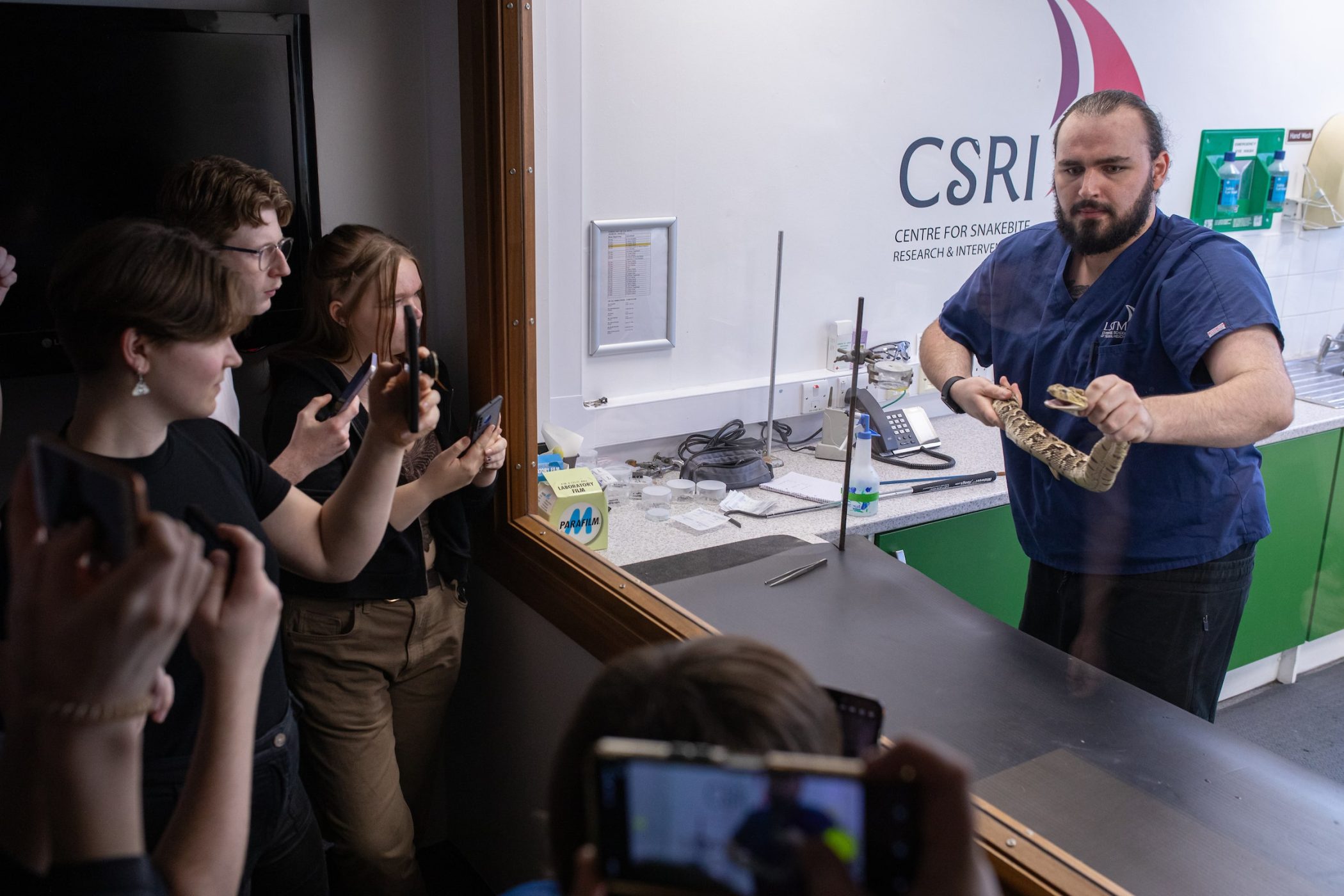
We have an accredited facility for studying venomous snakes
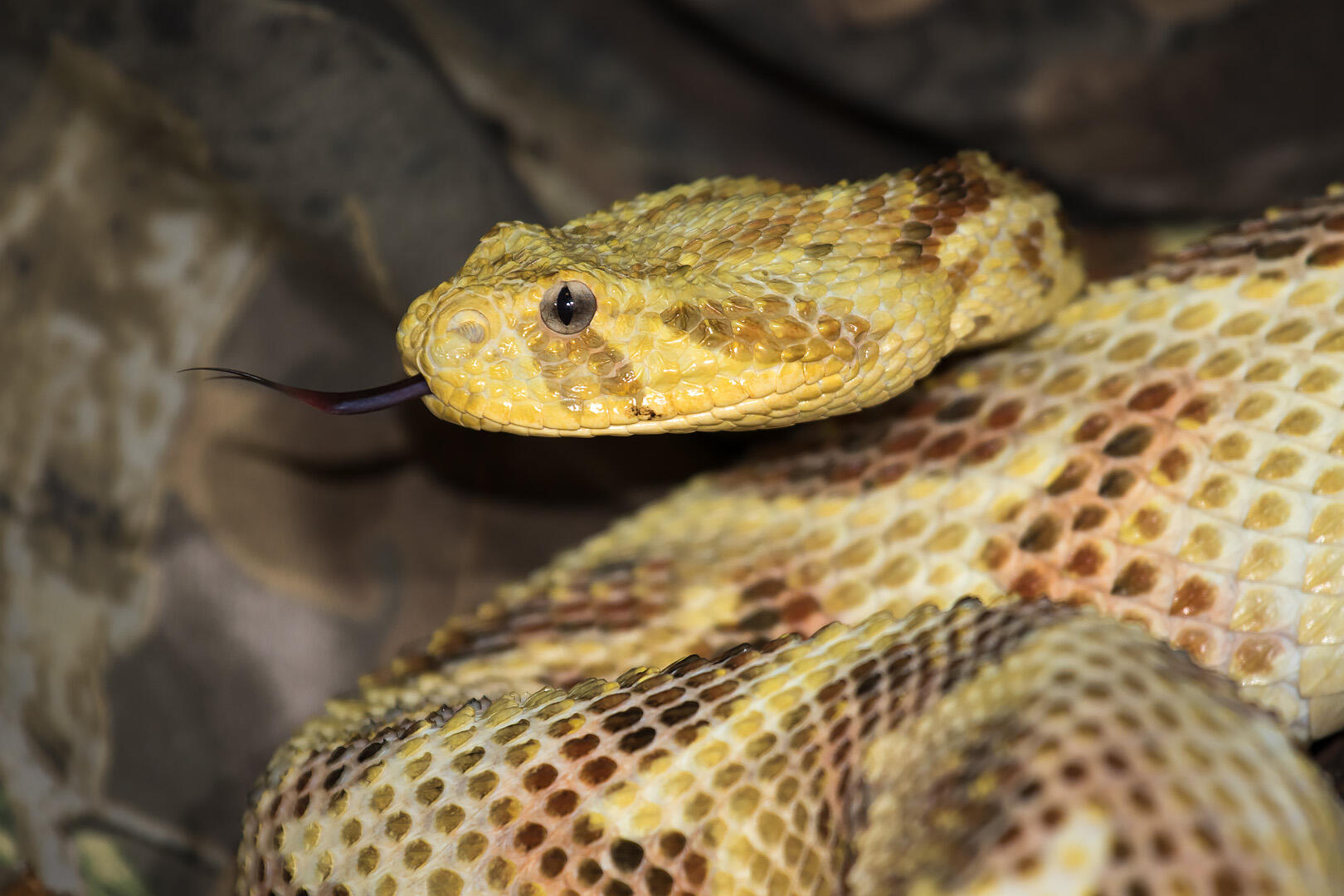
LSTM’s Herpetariumcontains the largest and most diverse collection of tropical venomous snakes in the United Kingdom.
We use innovative tools in developing effective antivenoms
Our basic biological research identifies the toxic proteins responsible for snakebite pathology and the variety of venom composition across species. We use this evidence, combined with cutting-edge tools, such as lab-grown venom gland organoids, to develop more effective snakebite treatments.
Our team

Dr Laura-Oana Albulescu
Laura-Oana Albulescu is a Senior Research Associate with more than 20 years of experience in biochemistry and molecular biology.

Professor Nick Casewell
Nicholas Casewell is a toxinologist and Director of the Centre for Snakebite Research and Interventions at Liverpool School of Tropical Medicine (LSTM).

Brent Thomas
Brent is passionate about improving the effectiveness and efficiency of neglected tropical diseases programmes through co-implementation and increased integration of programmes and activities.
Our impact
We put snakebite on the global NTD list in 2017
We at CSRI and our international partners successfully advocated for the World Health Organization (WHO) to designate snakebite envenoming as a neglected tropical disease, leading to increased global awareness, funding, and coordinated action.
We also engage with the media, young learners, and emerging researchers to promote knowledge and solutions for addressing snakebite and its impacts.
We have active research collaboration groups across the globe
We have facilitated collaborations between clinicians, scientists, antivenom manufacturers, and policymakers to conduct multidisciplinary studies, support clinical trials, and improve clinical management and health systems in diverse areas of the world through research groups, such as the African Snakebite Alliance (ASA).
We are developing snakebite treatments for low-resource settings
Our researchers are developing more effective snakebite treatments that are safer for patients, cheaper, and easier to administer in rural areas, where the majority of those affected live and work.
Projects
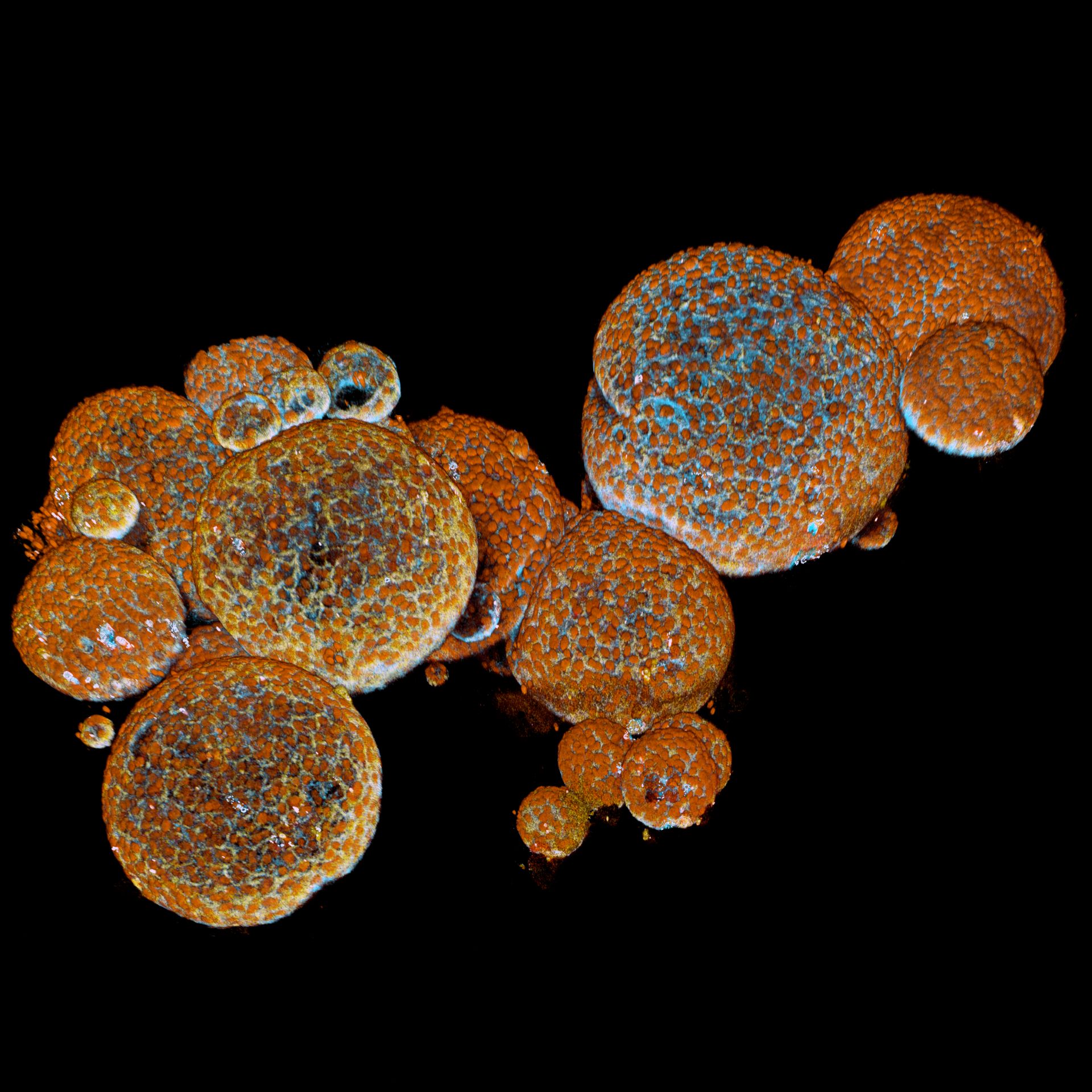
Lab-Grown Venom Gland Organoids
The Centre for Snakebite Research and Interventions (CSRI) at LSTM has pioneered the development of snake venom gland organoids, miniature, lab-grown versions of snake venom glands derived from stem cells.
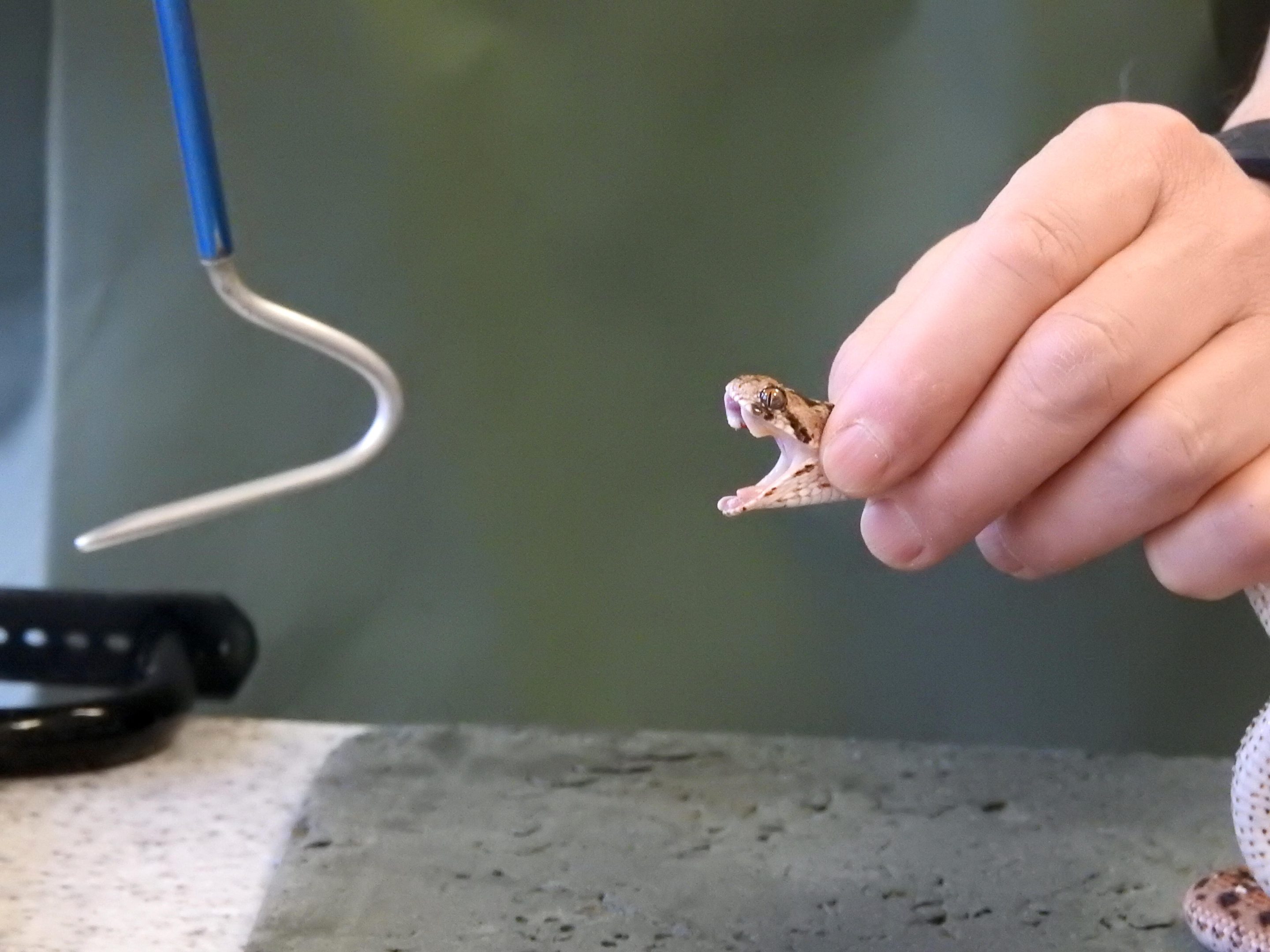
ANYSNAKES Drug Trial
ANYSNAKES (Assessing New and Existing Snakebite Antivenoms for Safety and Efficacy) is a large-scale, randomised clinical trial led by the Centre for Snakebite Research and Interventions (CSRI) at LSTM.
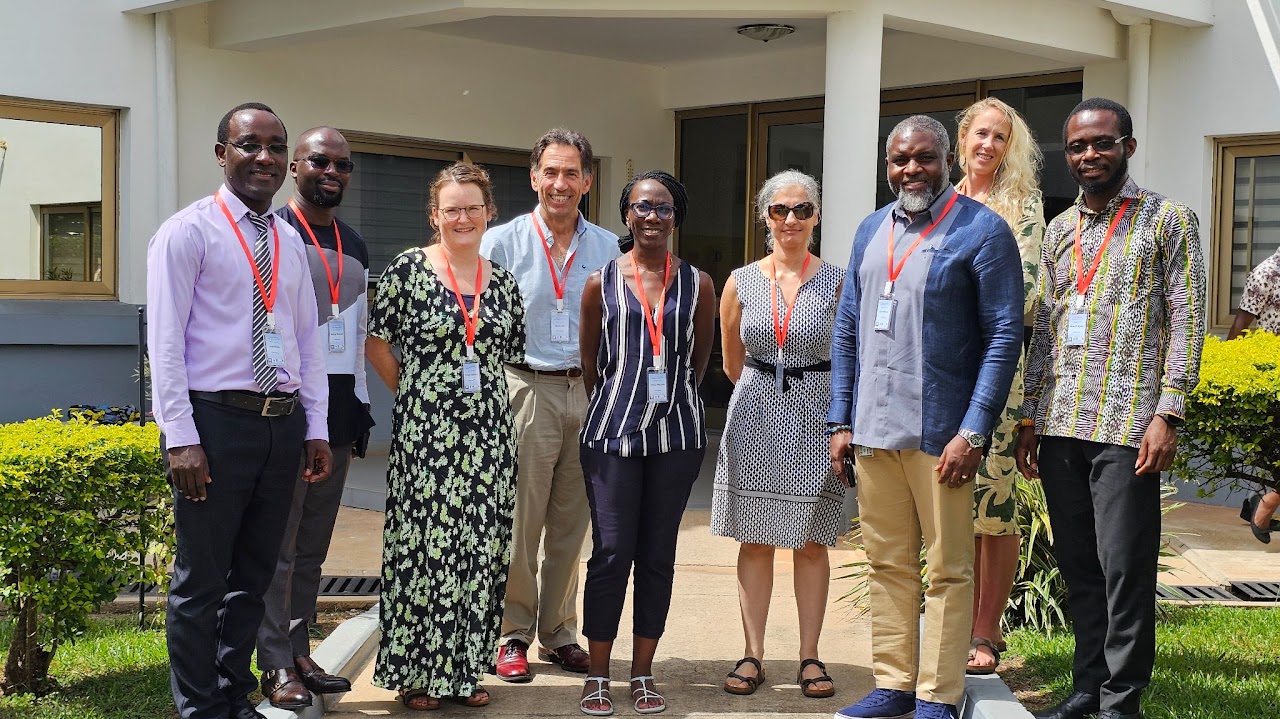
African Snakebite Alliance
The African Snakebite Alliance (ASA) is a collaborative initiative led by the Centre for Snakebite Research and Interventions (CSRI) at LSTM. ASA brings together experts from Ghana, Rwanda, Kenya, Eswatini, and the United Kingdom.
Latest updates

Education and training opportunities
The Center for Snake Bite Research and Interventions at Liverpool School of Tropical Medicine has for about the past 60 years, been delivering on a mission to improve the lives and livelihoods of snake bite victims through scientific research. Snake Bite has for a long time being an under-resourced and under-researched global health challenge.
It affects a huge number of people every single year. Over 1 million people are bitten and venom by venomous snakes. More than a hundred thousand people will lose their lives and many more will suffer lifelong morbidity as the result of a bite by a venomous snake. The research that we do at CSRI is really broad.
We take a holistic approach to studying snake bite, whether that be working in the laboratory to understand what toxins are in the venom of different snakes so that we can better devise new treatments for snake bite. Or it might be performing clinical research in snake bite affected regions so that we can understand what a snake bite actually does to a patient.
Or we may be working in communities most affected by Snake Bite to understand the scale and the burden of disease in that particular part of the world so that we can improve the management and treatment of Snake Bite in the long run.
LSTM is all about impact, and the work that CSRI does is really key to that impact, uh, the work that it does in improving health in disadvantaged populations to improve the management Snake bite is a critical part of what LSTM is trying to achieve.
Despite all these great gains that we’ve made in terms of tackling snake bite in recent years, there remains a lot of work still to do. CSRI is really well placed at the forefront of the fight against tropical snake bite. We have a great team. We have unique resources, and we have diverse partnerships with key people in snake bite affected countries.
Collectively, we can make a real difference with our research to snake bite patients.