Centre for Tuberculosis Research
Advancing science to end tuberculosis worldwide
The Centre for Tuberculosis Research (CTBR) at LSTM brings together leading researchers dedicated to combating one of the world’s oldest and deadliest infectious diseases.
Building on decades of expertise in TB research and control, we drive innovation from laboratory discovery to field implementation to accelerate progress towards TB elimination.
Our work spans the entire research journey, from understanding how TB develops and spreads, to developing new ways to diagnose and treat the disease, to strengthening health systems and supporting communities affected by TB.
Tuberculosis remains one of the world’s leading infectious disease killers, claiming over 1.3 million lives annually. Despite being preventable and treatable, TB disproportionately affects the world’s most vulnerable populations, thriving where poverty, malnutrition, and health inequities persist. Drug-resistant forms of TB pose an escalating threat to global health security.
The CTBR works across the translational research process to develop innovative solutions for TB prevention, diagnosis, and treatment. We collaborate with communities, national TB programmes, and global partners to ensure our research translates into real-world impact, bringing us closer to a world free of TB.
Our research focus and approaches
We pioneer cutting-edge TB research from laboratory to patient care
At CTBR, we conduct fundamental research with our worldwide team of leading experts to understand how TB develops and how the body fights infection, while developing next-generation diagnostic tools, treatments, and prevention strategies. Our approach ensures laboratory discoveries rapidly advance through testing and development towards real-world solutions for those battling the disease and addressing critical gaps in TB care.
We developed a translational research pipeline for impact
We start by understanding the challenges faced in communities affected by TB, ensuring our research addresses people’s needs. In the laboratory, our researchers explore the biological mechanisms of TB, paving the way for new diagnostics, treatments, and prevention strategies. We then actively collaborate with global partners to implement our research findings in communities, building local research capacity, and improving healthcare systems. This cycle ensures that our scientific discoveries create meaningful change where it’s needed most.
We disseminate knowledge and empower communities
We actively share our scientific knowledge with local partners, fostering a culture of research and innovation in areas with the highest TB burden. Through training and mentorship programmes, we empower local researchers and healthcare workers to take ownership of the fight against TB. By combining world-class expertise and commitment to community engagement, we bridge the gap between science and action.
Our team

Dr Kerry Millington
Kerry Millington is a global health researcher with over 20 years of experience in world leading academic organisations.

Dr Rachael Thomson
Dr Rachael Thomson is the CEO of the LIGHT Consortium, a six-year, cross-disciplinary global health research programme funded by UK aid.
Dr Vibol Iem
Dr. Vibol Iem is a Postdoctoral Research Associate at Liverpool School of Tropical Medicine (LSTM), contributing to the Start4All consortia
Our impact
We have advanced the clinical and public health management of MDR-TB
Our research has transformed MDR-TB treatment globally through the landmark STREAM trial, the world’s first large-scale, multi-country randomised clinical trial examining shortened regimens for MDR-TB. This work demonstrated that 9-11-month regimen was as effective as a traditional 20-month regimen, leading to WHO guideline updates adopted by 82 countries and benefiting over 200,000 people.
Our health economic analysis showed substantial cost savings of USD 357 million in 2018 alone, with patients saving an average of USD 238 and health systems saving USD 1,545 per patient. We have also pioneered the transition to all-oral, home-based MDR-TB treatment, further reducing costs and improving patient outcomes.
We have pioneered innovative approaches to trialling TB diagnostics and treatments
We have established TB human challenge models in collaboration with the University of Oxford, utilising the BCG vaccine to accelerate the development of TB vaccines and drugs. This innovative approach could significantly reduce the time and cost of Phase 2 or 3 trials by allowing early selection of promising candidates. Through our predictive simulation modelling work, we have guided diagnostic policymaking across multiple countries including Brazil, Russia, South Africa, Tanzania, Ethiopia, Philippines, Kenya, and Nepal, helping optimise the rollout of molecular diagnostics like GeneXpert to maximise impact and cost-effectiveness.
We have deepened understanding of the social and economic burden of TB stigma
Through projects like ASCOT in Nepal, we have developed locally-appropriate socioeconomic support interventions for TB-affected households, recognising that patients face considerable costs averaging USD 900, equivalent to 58% of annual individual income. Our research on post-TB lung disease has shown that 20-50% of treated individuals experience persistent health issues, and we have published initial clinical standards for post-TB care. We have also led groundbreaking work on the gendered pathways to health through the LIGHT Consortium, developing gender-sensitive strategies to improve health and socioeconomic outcomes while reducing TB transmission in urban settings.
Featured projects
LIGHT Consortium
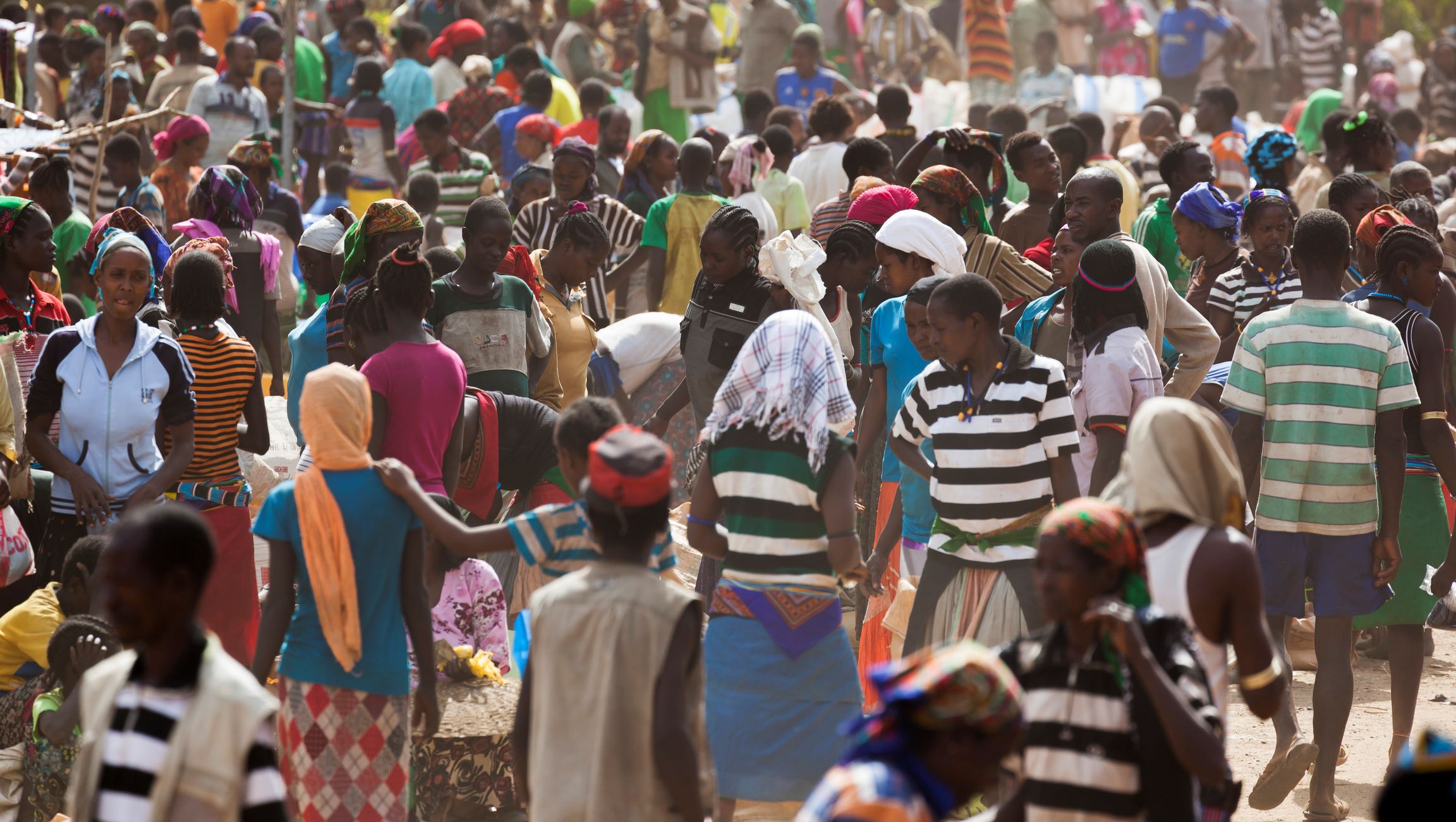
The LIGHT Consortium (Leaving no-one behInd: transforming Gendered pathways to Health for TB) is a six-year, cross-disciplinary global health research programme funded by UK aid.
Start4All
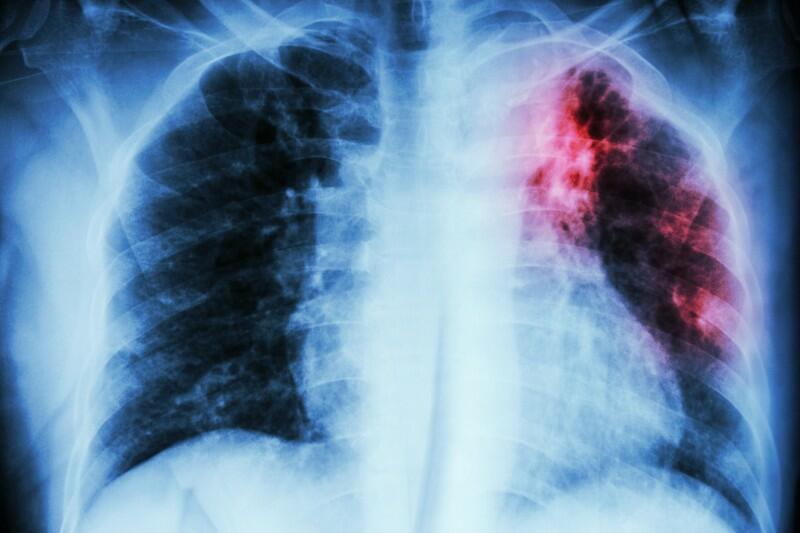
Start4All is a four-year, $15m Unitaid funded project focused on global improvement of TB screening, diagnosis, and treatment.
DRUM: Drivers of Resistance in Uganda and Malawi
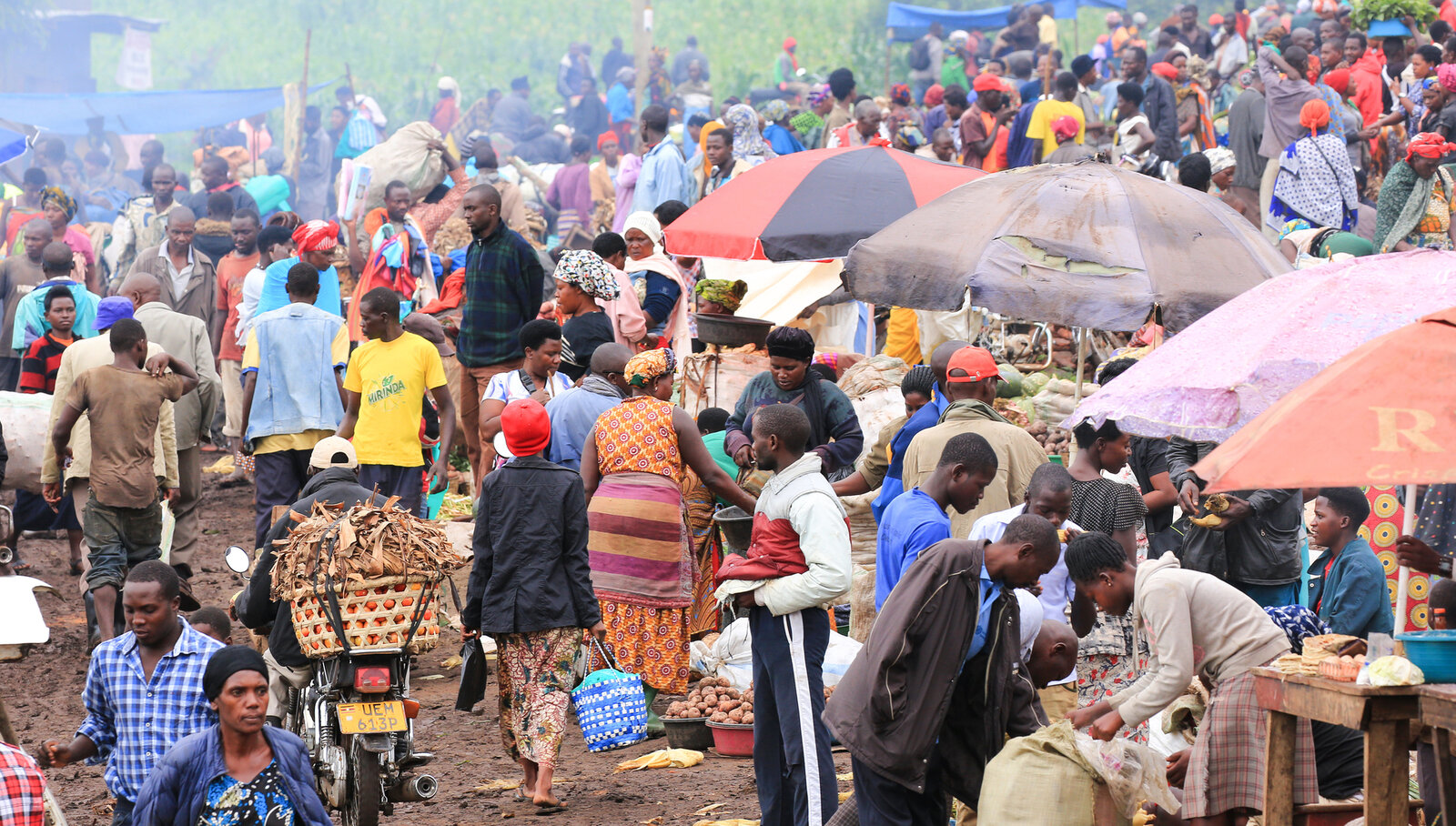
The DRUM consortium investigates which aspects of human behaviour are most important in spreading antibiotic resistance