Tackling resistance
Antimicrobial and insecticide resistance threaten progress across global health, particularly affecting the most vulnerable communities in low- and middle-income countries. LSTM’s research tackles resistance from molecules to markets, bridging the gap between discovery and implementation.
Why resistance matters
Antimicrobial and insecticide resistance make it harder to control infectious diseases and protect the health of communities worldwide, with the greatest impact on those who already face disadvantage.
How we are responding
Our researchers are working across the full lifecycle, including:
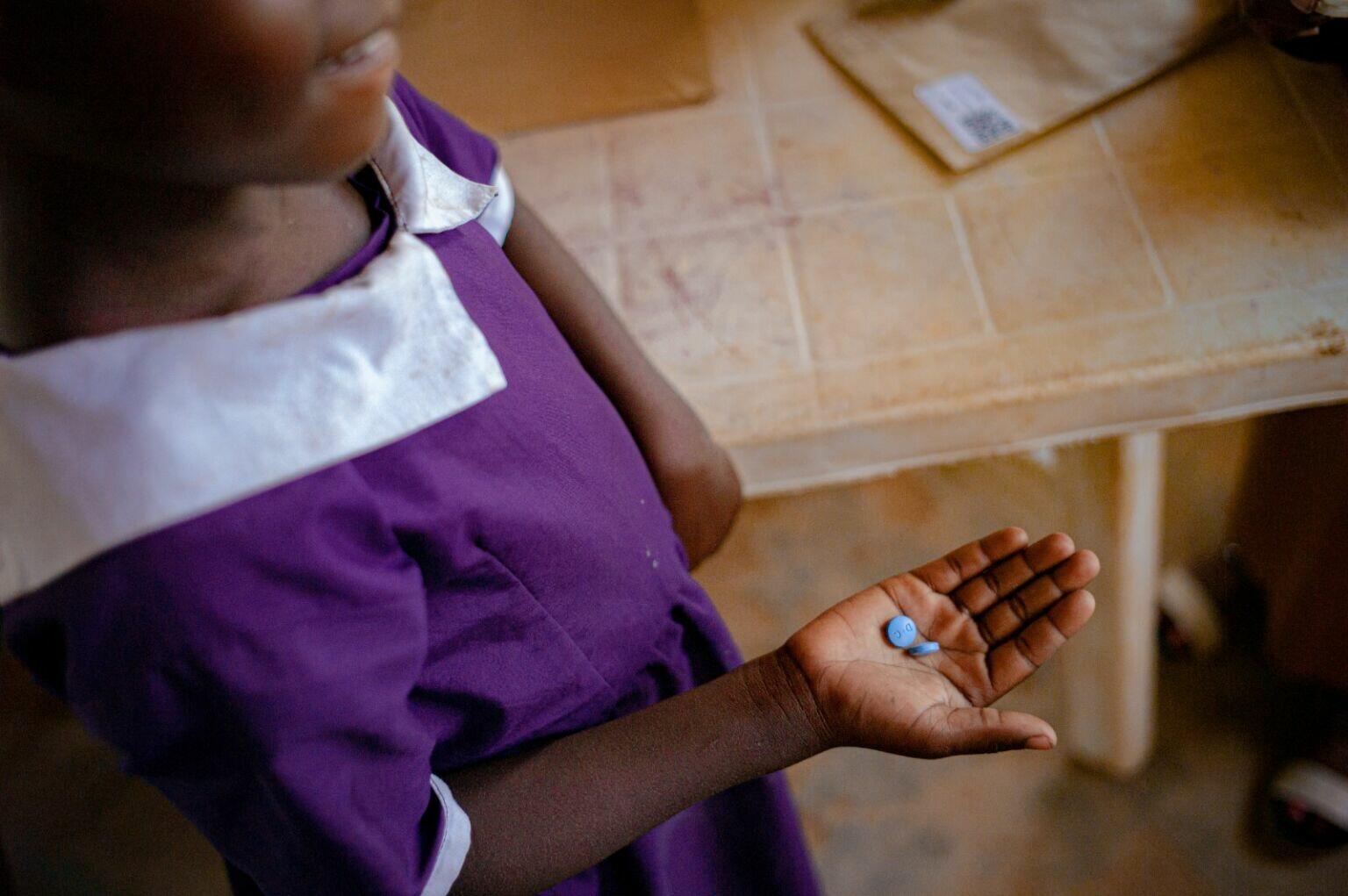
- Generating real-world data on antibiotic use and resistance trends to inform stewardship, surveillance and implementation in Africa and Asia
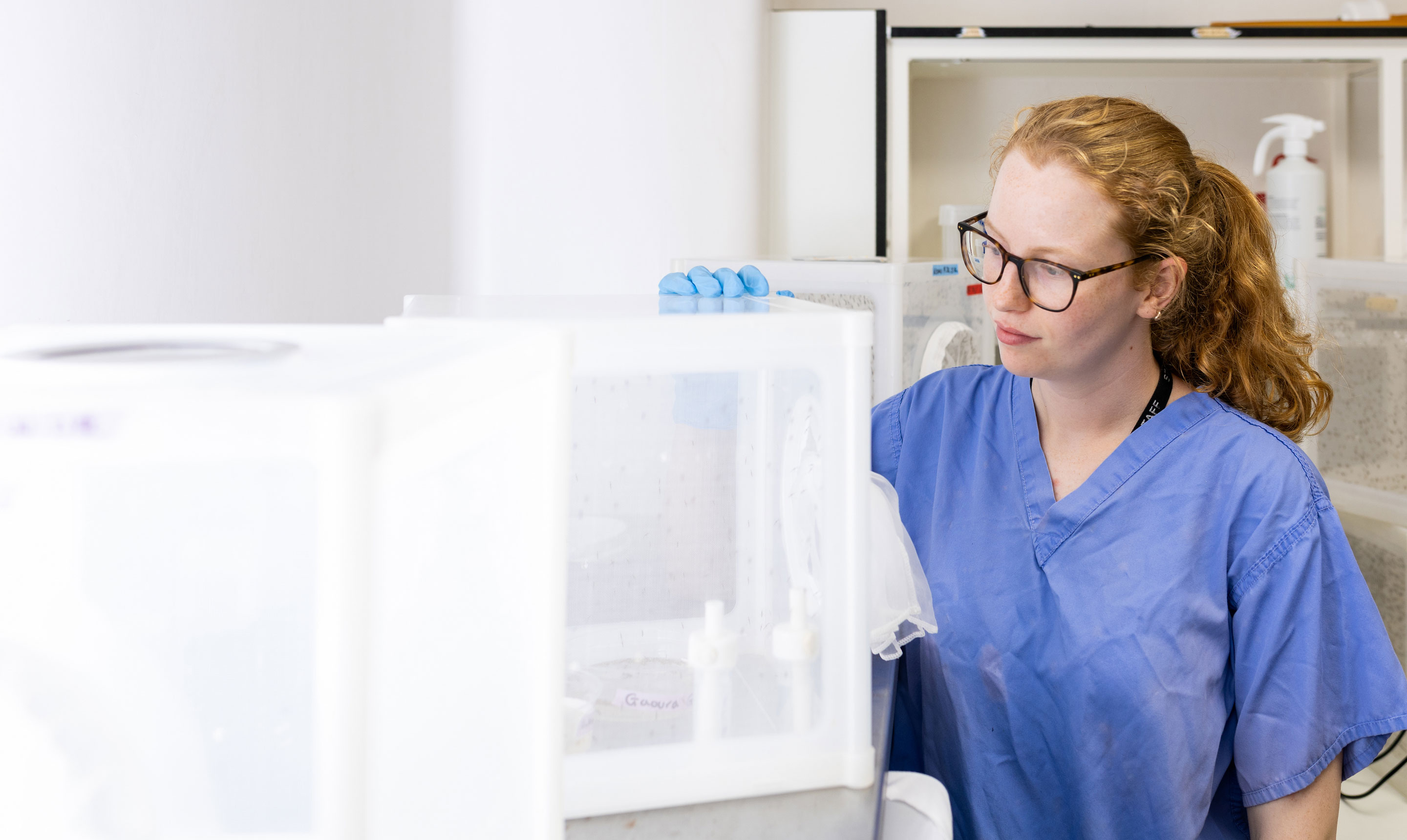
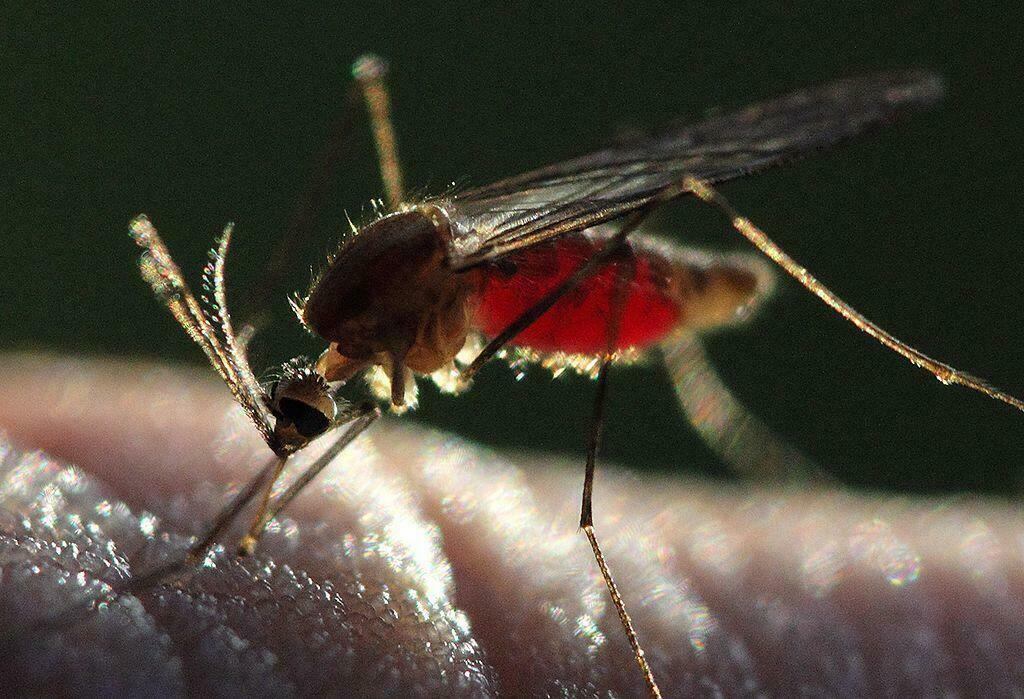
- Uncovering the genetic mechanisms of insecticide resistance and evaluating new control products under realistic field conditions
- Using the new Robotic Infection Laboratory and BRITE programme to enhance our capability to test resistant pathogens safely and enable rapid production of next-generation treatments and vaccines
Related news


Explore related global health challenges
Climate change and environmental pressures
The climate crisis is reshaping where and how diseases emerge and spread. We combine environmental science, vector biology, digital innovation and health-systems research to turn climate data into actionable health intelligence.
Climate change and environmental pressuresManaging and preparing for disease outbreaks
In an increasingly connected world, disease outbreaks can move quickly, cross borders invisibly and hit vulnerable communities hardest. We link discovery, diagnostics, modelling, trials and implementation to support rapid, evidence-based responses.
Managing and preparing for disease outbreaksProtecting vulnerable populations
Inequalities mean the most vulnerable populations are often most affected and least able to respond. Equity is at the heart of our mission, and our research focuses on improving health outcomes for the most disadvantaged communities.
Protecting vulnerable populations