Equity and Capacity Research
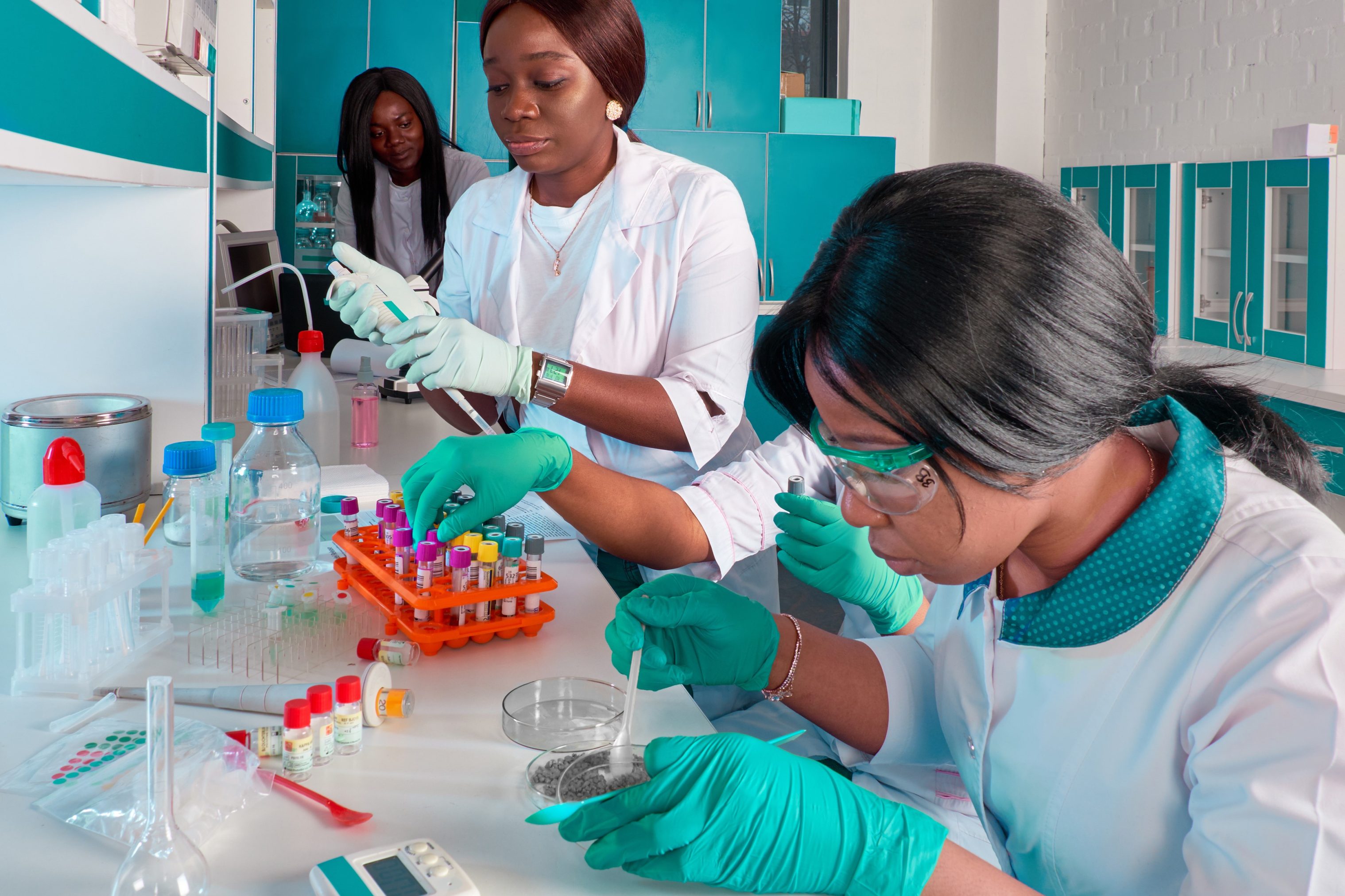
Through studies in research capacity strengthening, equitable partnerships, and inclusive health systems, we advance a model of global health that values participation, justice, and shared knowledge.
Our work spans institutional development, research management, laboratory systems, and career equity in low- and middle-income countries.
We explore the structural drivers of exclusion and co-create solutions that empower marginalised communities and researchers alike.
Capacity and equity aren’t side projects, they are integral to how LSTM generates and uses knowledge.
Centres of Excellence
Our specialist Centres, Institutes and Units lead equity and capacity research. By uniting clinical, scientific and operational expertise, they drive innovation in diagnostics, treatment and disease elimination, working with global partners to reduce burden and improve health outcomes.
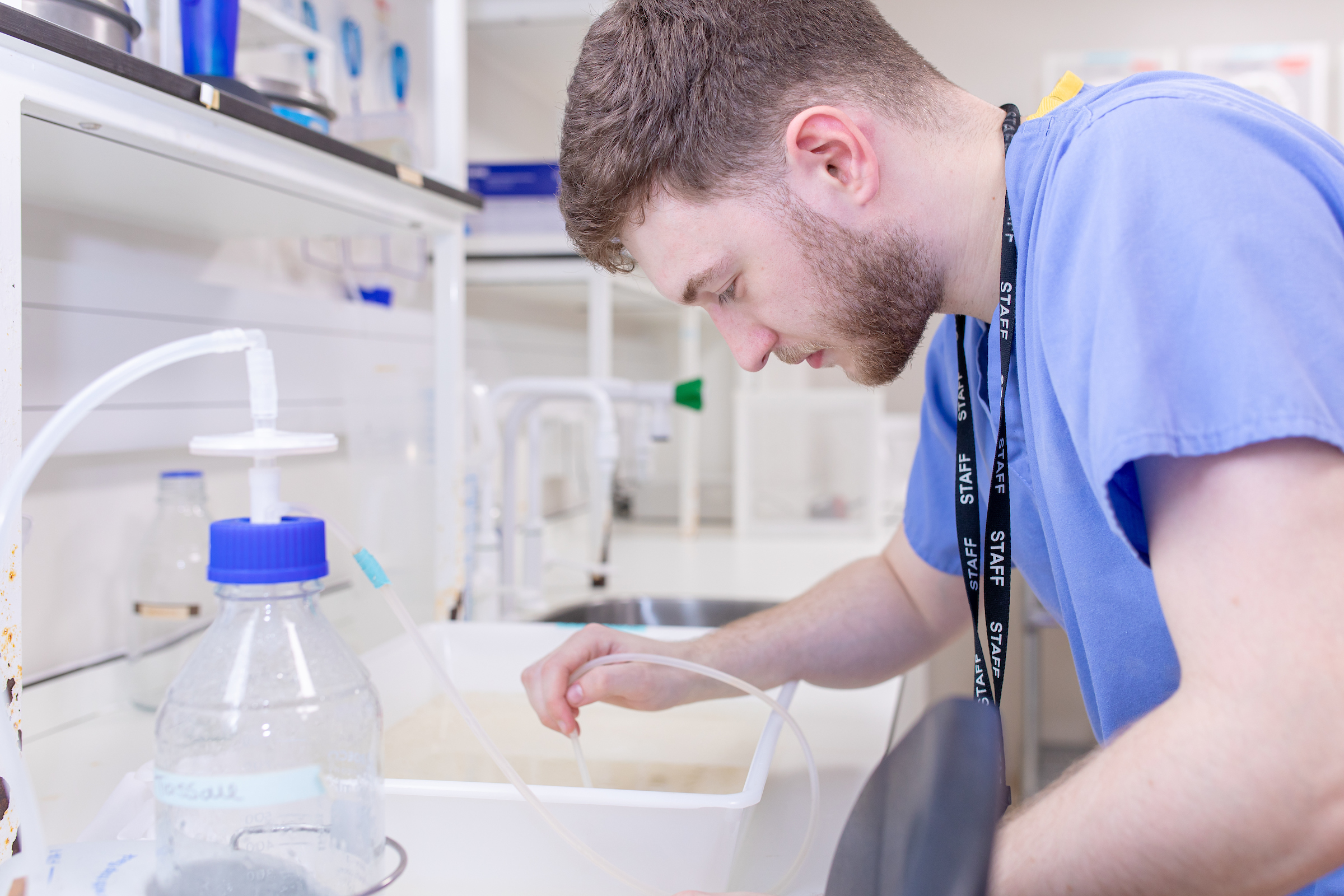
Meet the team tackling health inequity using world-class research and practical solutions.
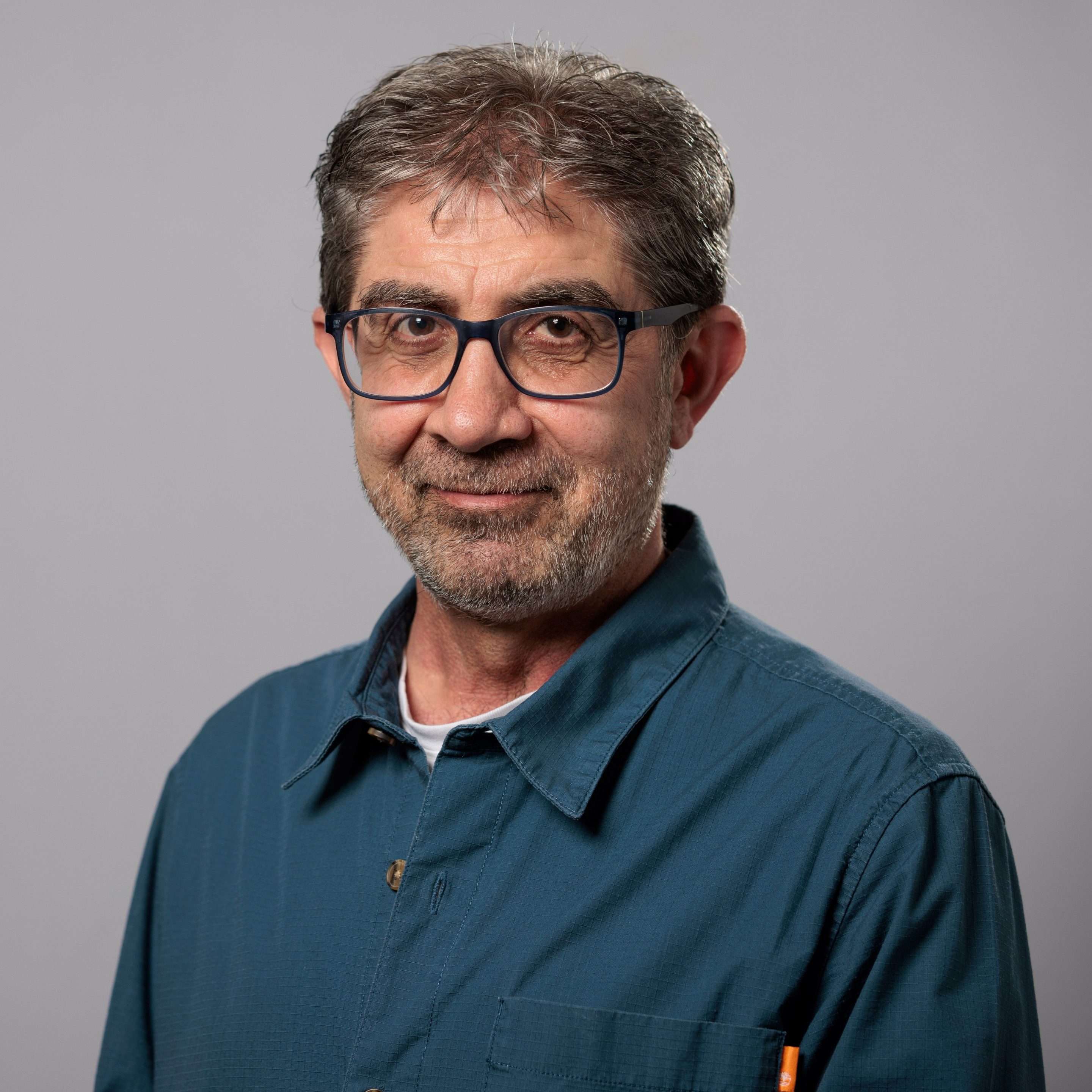
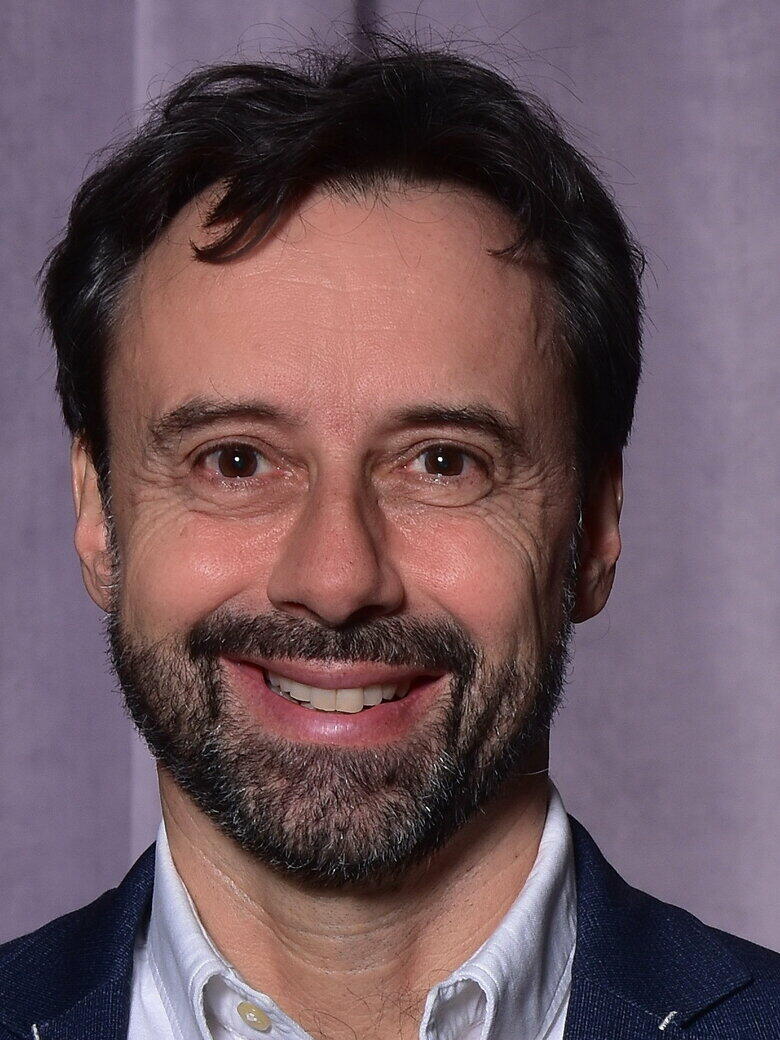
Professor Fouad Fouad
Professor Fouad has almost 30 years of experience in research, programming, and public health leadership across academia, NGOs, and government institutions. His research focuses on migration and health, with a particular emphasis on forced displacement, health systems in crisis settings, and multidisciplinary approaches to humanitarian challenges.
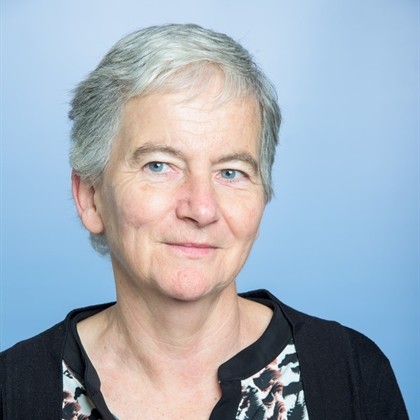
Professor Imelda Bates
Professor Bates leads global research to strengthen health and research systems in low- and middle-income countries. As Head of the Centre for Capacity Research, she focuses on building sustainable laboratory and research capacity, alongside improving anaemia management and blood transfusion systems in resource-limited settings.
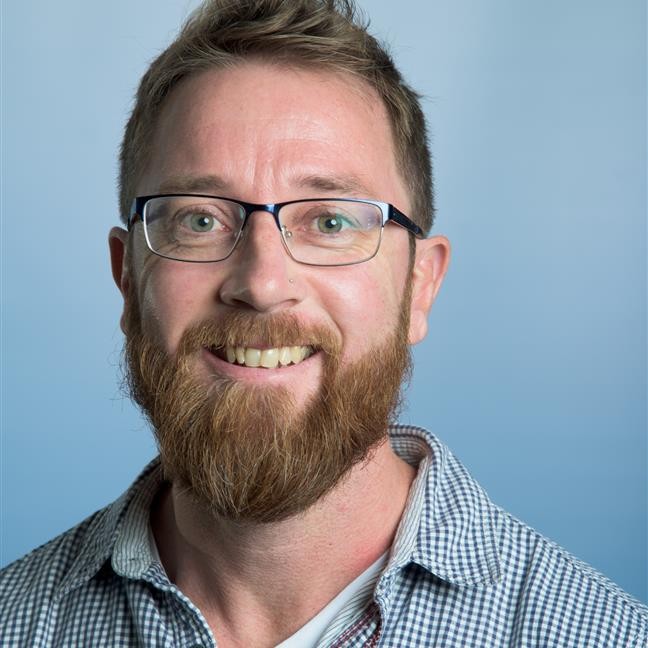
Dr Justin Pulford
Dr Pulford is Deputy Head of the Centre for Capacity Research. A behavioural scientist by training, he has diverse academic interests spanning research systems strengthening, health systems strengthening, vector control and addictions.
Featured projects
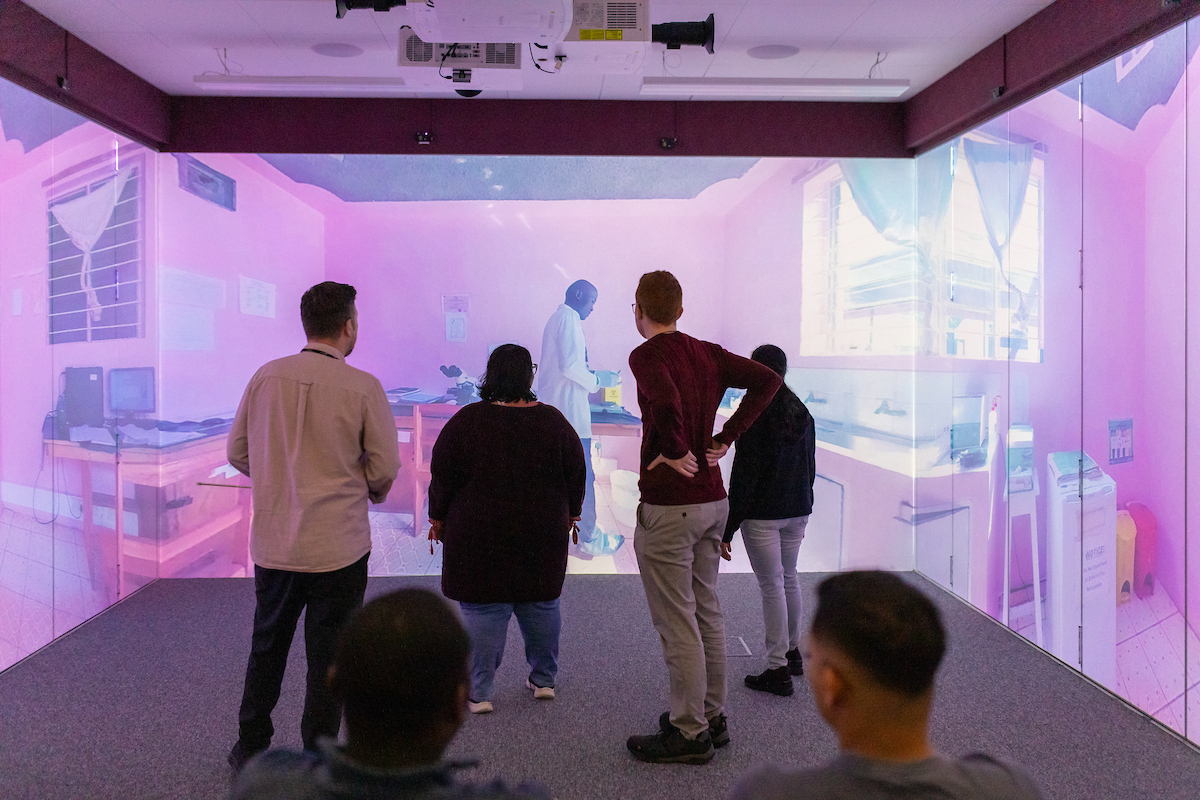
Effective Research Capacity Strengthening
Provides practical, evidence-based guidance to help funders design and deliver capacity strengthening programmes that create lasting impact.
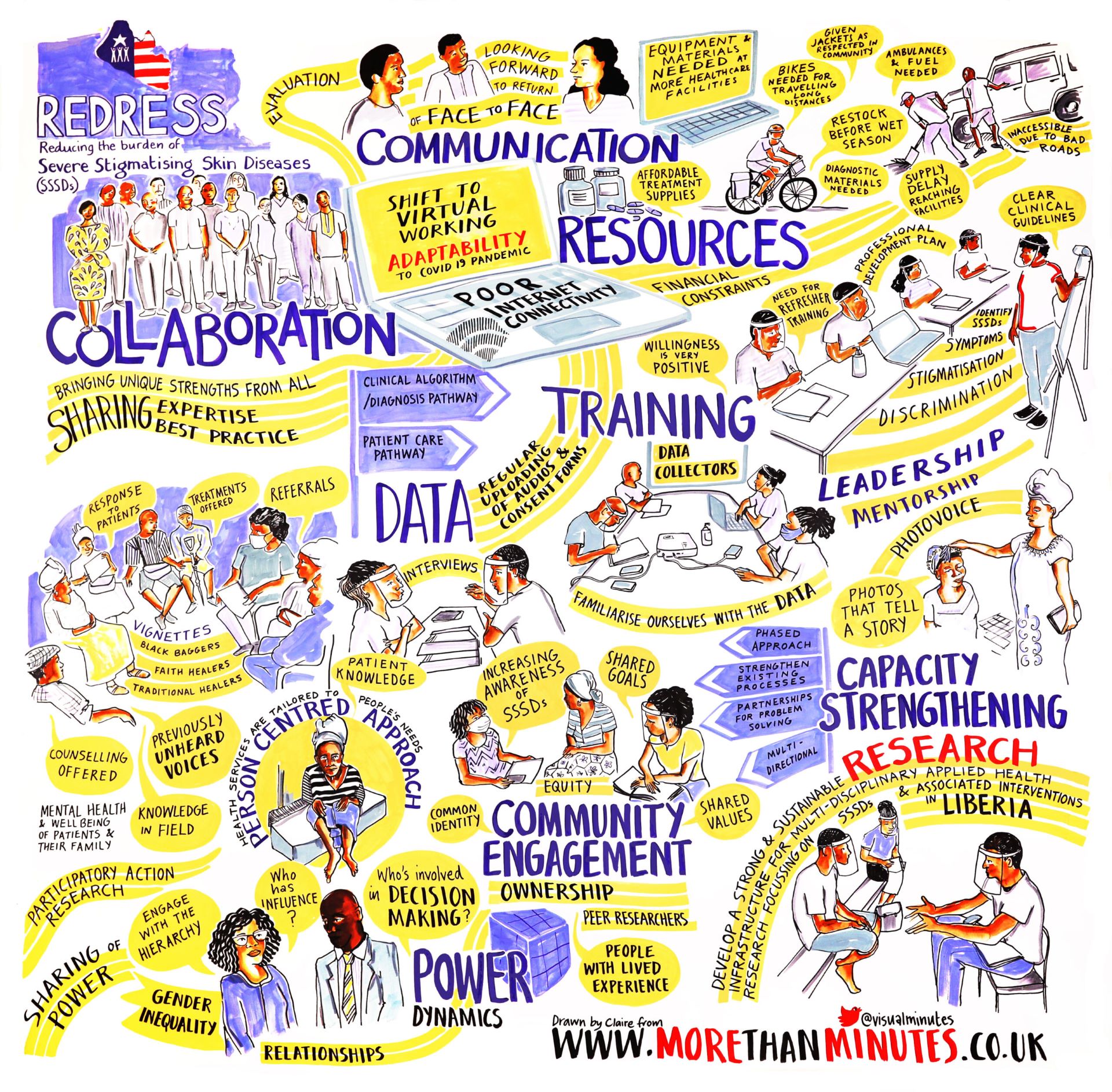
REDRESS
Addresses the physical, psychosocial, and economic burden faced by people with stigmatising skin diseases who are excluded from equitable access to health and social services.
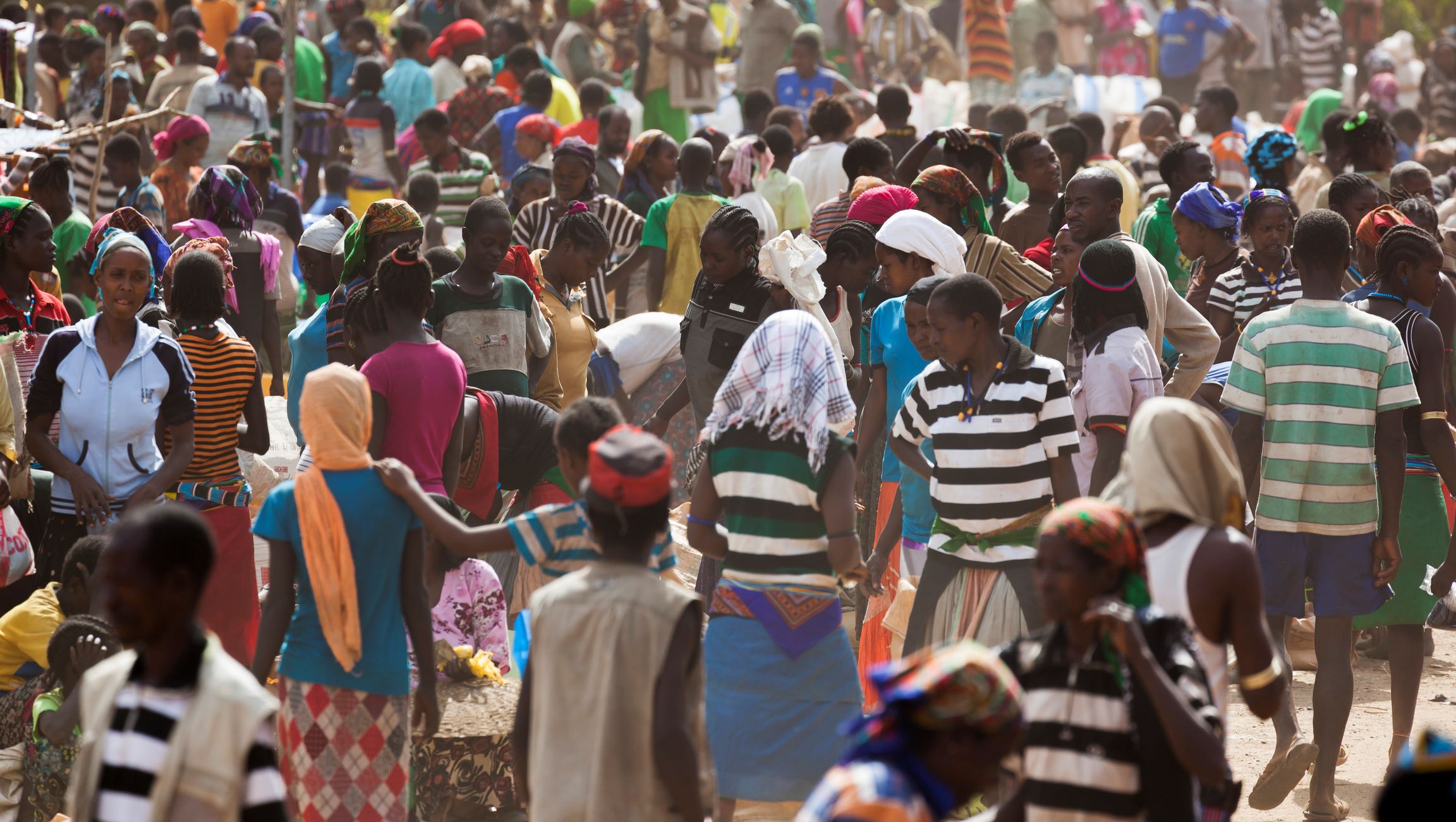
LIGHT Consortium
Focuses on building research leadership and capacity in low-income countries, with a particular emphasis on empowering local researchers and institutions to drive their own health priorities.
Related news
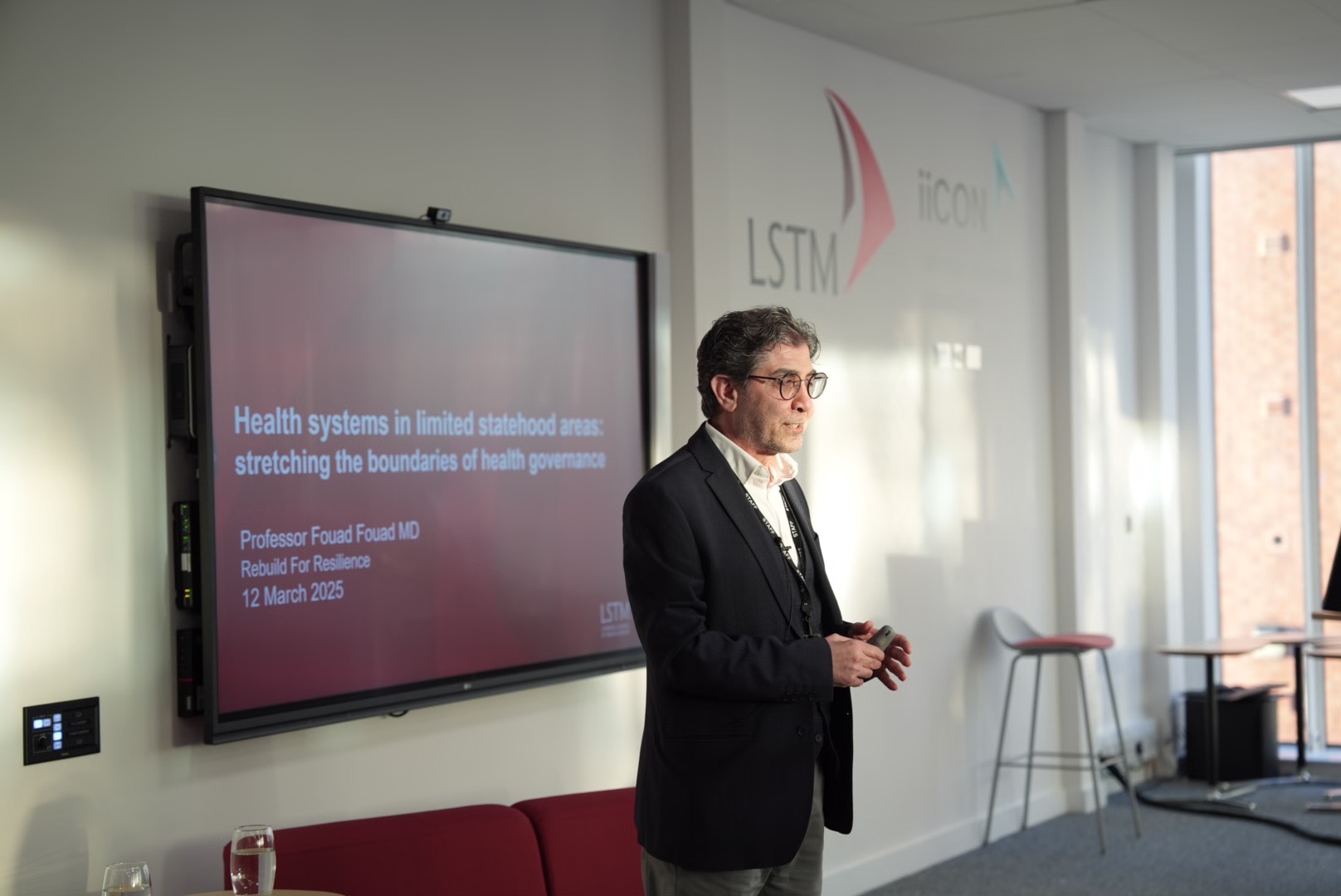
Inaugural Lecture – Professor Fouad Fouad
45:37
125th Anniversary Scientific Symposium: Reimagining Solutions for the 22nd Century
In November 2024, Liverpool School of Tropical Medicine brought together global health experts from across the world for our flagship scientific symposium.
Hear from leading experts in Emerging and Re-emerging Diseases