Tuberculosis and Antimicrobial Resistance

We investigate the drivers of TB, including HIV co-infection, drug resistance and the social determinants that shape who is most affected and who gets access to care.
Our researchers improve screening and diagnosis, lead major international trials, and generate the evidence needed to strengthen treatment, particularly for drug-resistant TB and underserved populations.
On antimicrobial resistance, we take a multidisciplinary approach to understanding how resistance emerges and spreads across human, animal and environmental settings. Our work spans molecular microbiology, clinical research, health economics and social science, helping develop solutions that are both scientifically robust and practical in low-resource settings.
Working with partners across high-burden countries, LSTM turns research into real-world impact, from better diagnostics and shorter treatment regimens to stronger stewardship, more equitable access to care and evidence that informs policy and practice.
Centres of Excellence
Our specialist Centres, Institutes and Units lead research into tuberculosis and anti-microbial Resistance. By uniting clinical, scientific and operational expertise, they drive innovation in diagnostics, treatment and disease elimination, working with global partners to reduce burden and improve health outcomes.
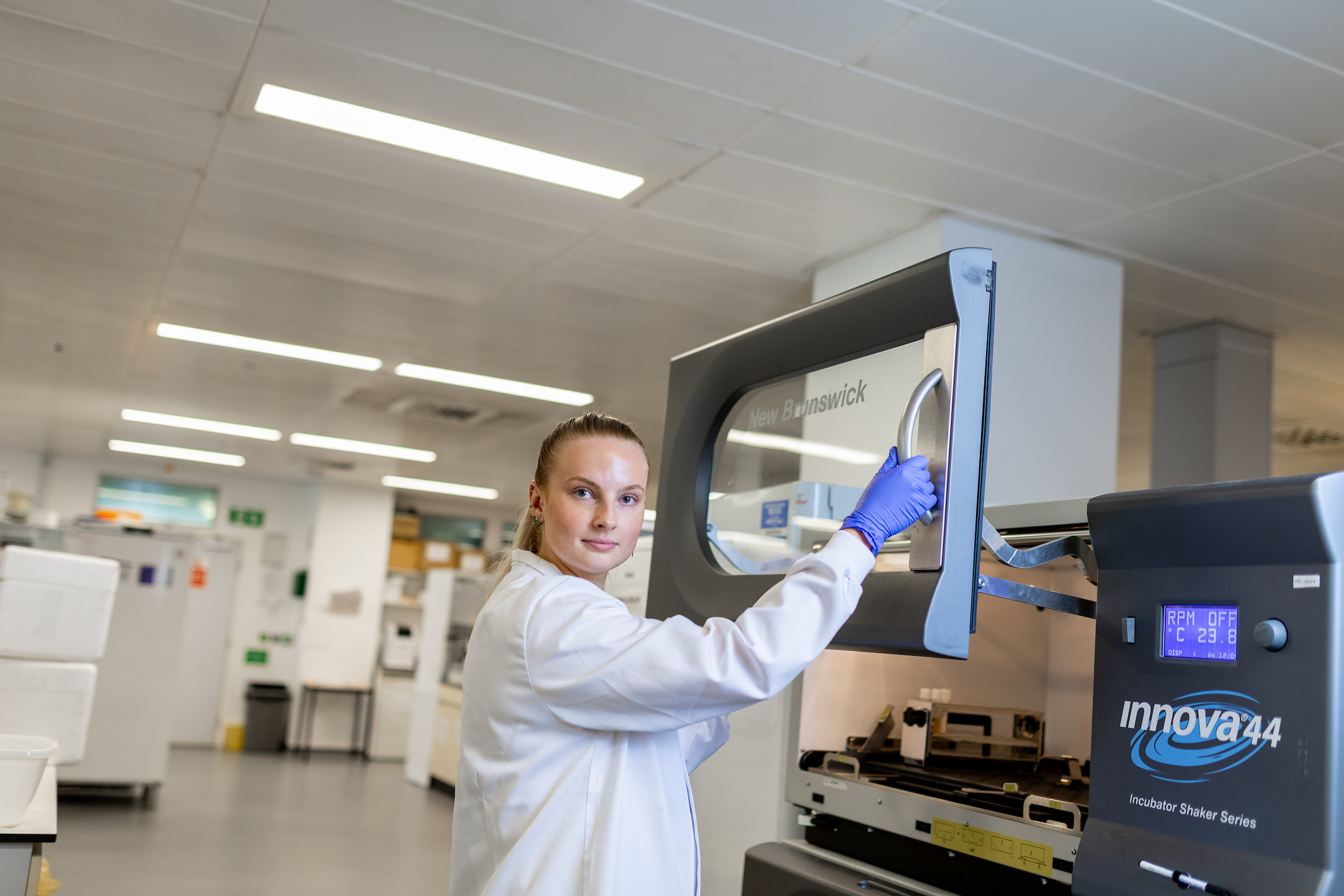
Meet the team tackling tuberculosis and antimicrobial resistance through world-class research and practical solutions.
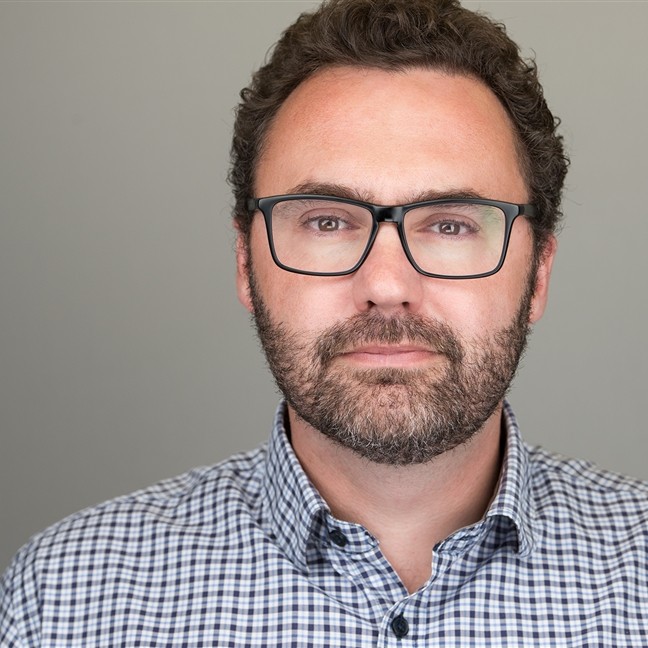
Professor Adam Roberts
Professor Roberts examines how antimicrobial resistance spreads and how to stop it, combining drug discovery, molecular microbiology, and public engagement to develop new treatments and limit resistance in bacteria.
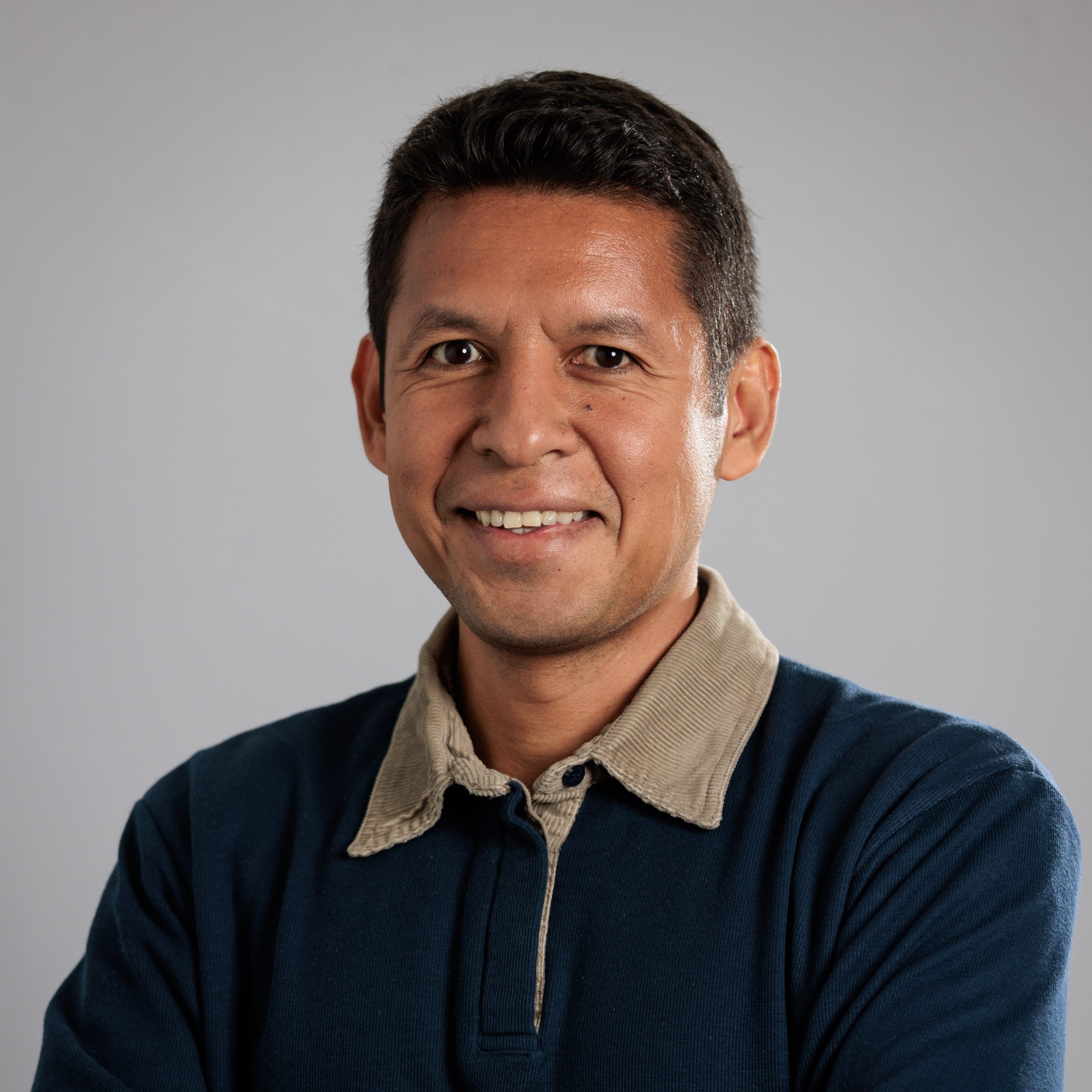
Dr Vibol Iem
Dr Vibol Iem is a Postdoctoral Research Associate, contributing to the Start4All and Leaving no on-one behind: Gendered pathways to health of TB consortia.
Dr Shevin Jacob
Dr Jacob is a Reader in Sepsis Research whose work focuses on improving the management of severe infections in low-resource settings, particularly through sepsis research and capacity building in Africa.
Featured projects
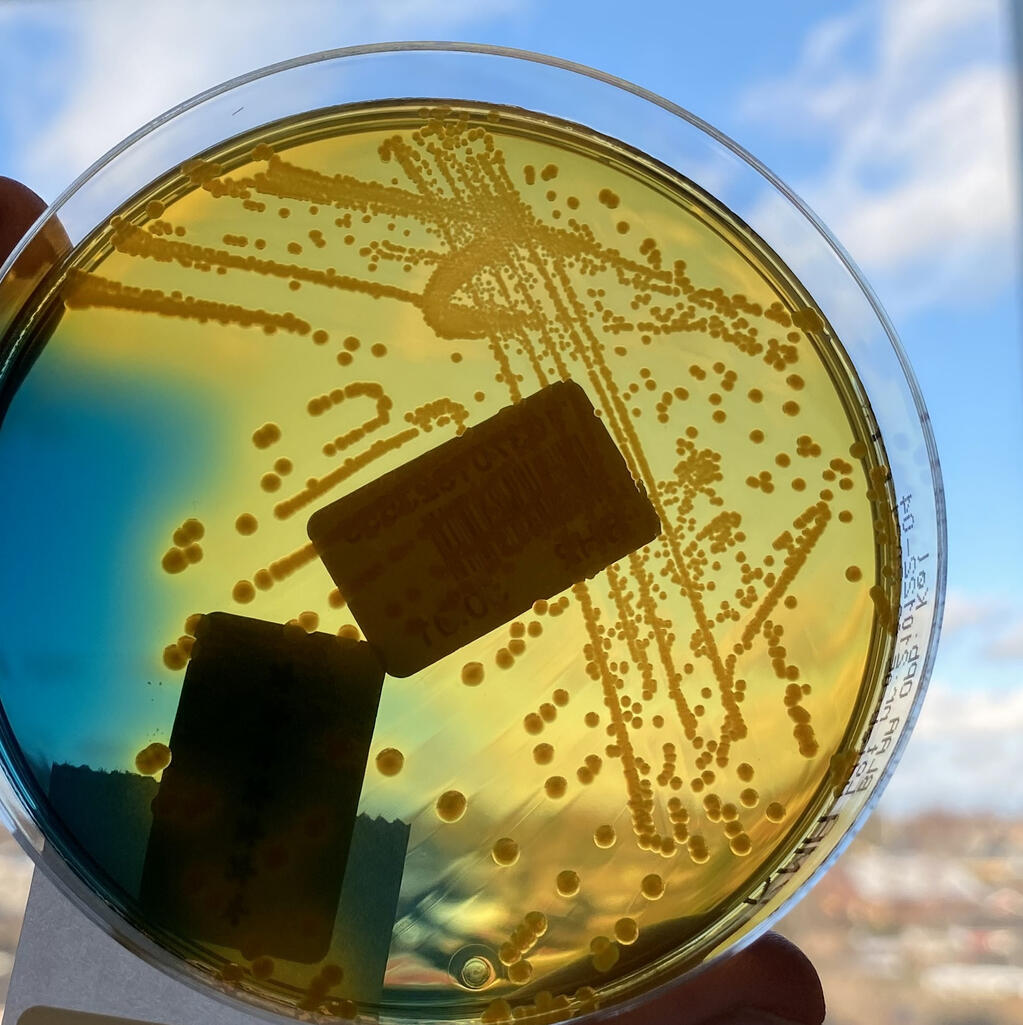
Opt-AMR
The Opt-AMR research group aims to interrupt AMR in communities by optimising anti-biotic usage and developing affordable strategies with Ministries of Health.
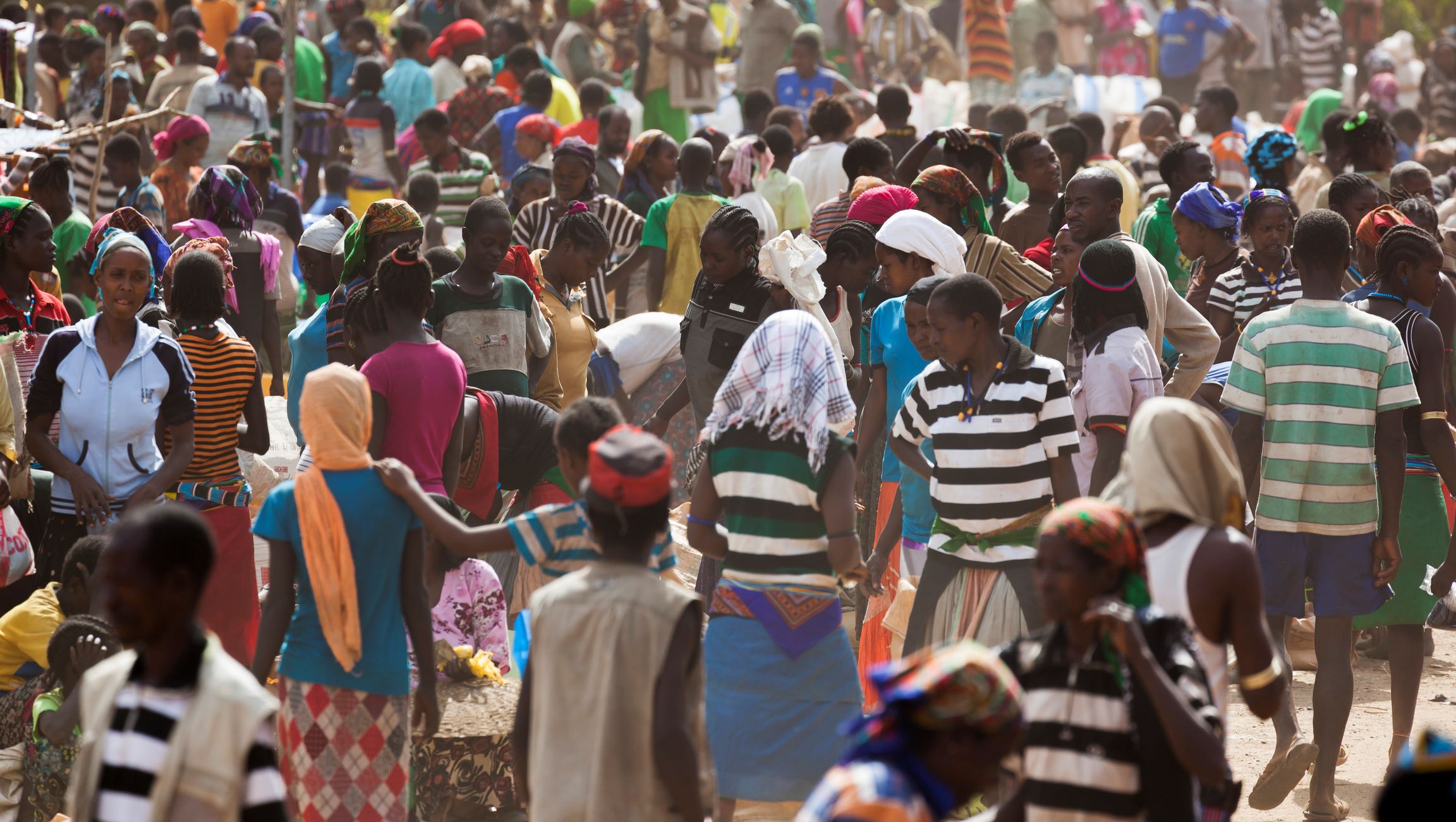
LIGHT Consortium
The LIGHT Consortium (Leaving no-one behInd: transforming Gendered pathways to Health for TB) is a six-year, cross-disciplinary global health research programme funded by UK aid.
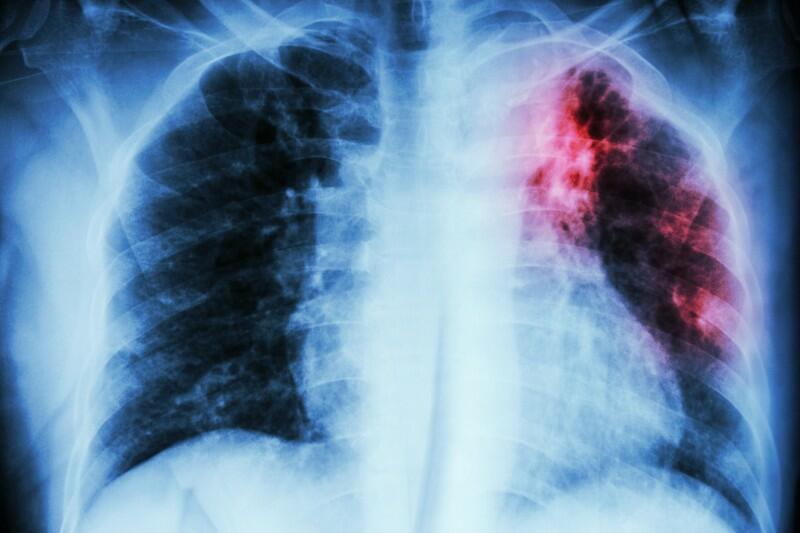
Start4All
A $15m Unitaid-funded project working across seven high-burden countries to close the gap in TB screening, diagnosis, and access to quality treatment.
Related news
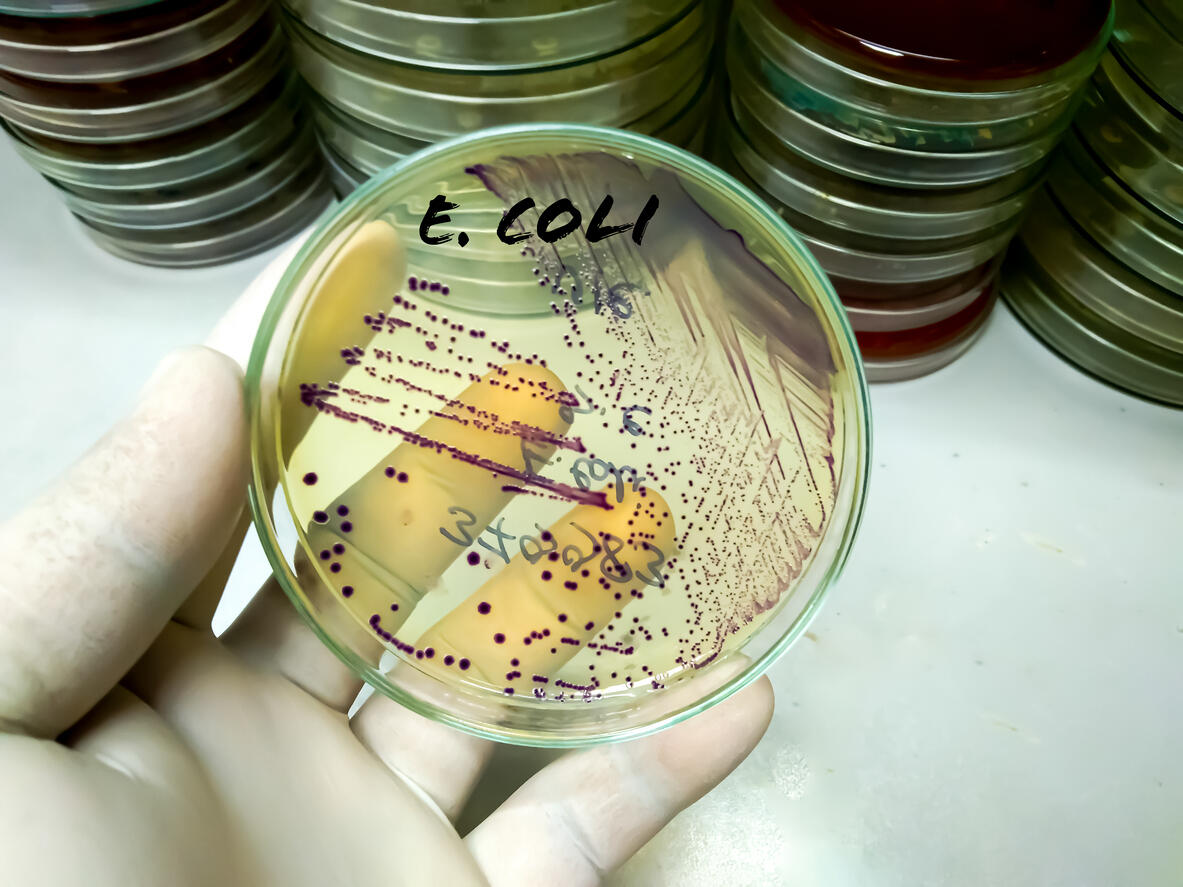

125th Anniversary Scientific Symposium: Reimagining Solutions for the 22nd Century
In November 2024, Liverpool School of Tropical Medicine brought together global health experts from across the world for our flagship scientific symposium.
Hear from leading experts in Tuberculosis and Antimicrobial Resistance